Uncover the truth about gaming chairs and their impact on your gaming sessions in 2026. This comprehensive guide explores whether these specialized seats truly enhance performance comfort and overall well-being during extended play. We delve into ergonomic design features posture benefits and the real science behind what makes a gaming chair different from a standard office chair. Discover if investing in a gaming chair is a game-changer for your setup or merely an expensive trend. Understand how proper seating can affect your reaction times focus and long-term physical health. Get informed before you buy.
"do seat gaming chair FAQ 2026 - 50+ Most Asked Questions Answered (Tips, Trick, Guide, How to, Bugs, Builds, Endgame)"Welcome, fellow gamers, to the ultimate living FAQ about gaming chairs, meticulously updated for 2026! This comprehensive guide aims to dissect every burning question you have regarding the seats that support your epic quests and competitive skirmishes. Whether you're a beginner seeking basic understanding or a seasoned pro looking for advanced insights and the latest industry innovations, you've come to the right place. We've scoured forums, analyzed professional setups, and consulted experts to bring you honest, actionable answers. Prepare to optimize your seating experience, banish discomfort, and potentially elevate your game to new heights. Let's dive deep into the world of ergonomic gaming!
Common Gaming Chair Questions Answered
Is a gaming chair really better than an office chair?
Often, a dedicated gaming chair excels in aggressive ergonomics for dynamic postures and immersive aesthetics, favored by many competitive players. However, premium ergonomic office chairs frequently offer superior long-term comfort and support for static sitting, making them versatile for work and casual gaming. The "better" choice depends on individual needs and usage patterns in 2026.
Do gaming chairs help with back pain?
Yes, a properly adjusted gaming chair can significantly alleviate and prevent back pain by promoting correct spinal alignment. Features like adjustable lumbar support and headrests encourage healthier posture during long sessions, reducing strain. However, consistent good posture and regular breaks remain crucial for sustained back health.
What features should I look for in a good gaming chair?
Look for robust adjustable lumbar support, 4D armrests for customized positioning, a high-density cold-cure foam seat for durability, a multi-tilt mechanism for reclining, and breathable, durable upholstery like PU leather or mesh. These elements ensure comfort, support, and longevity for intense 2026 gaming.
How much should I spend on a gaming chair?
A good quality gaming chair typically ranges from 300 to 600 USD in 2026, offering a sweet spot for features and durability. Budget options under 200 USD might lack ergonomic adjustments and sturdy materials, while premium chairs over 700 USD often cater to specific niche preferences or advanced smart features.
Are expensive gaming chairs worth it?
Myth vs Reality: Many believe expensive chairs are overpriced hype. Reality: Premium gaming chairs often use superior materials like high-density foam, durable frames, and advanced ergonomic mechanisms. These investments translate to significantly better comfort, enhanced adjustability, and longer lifespans, justifying the higher cost for serious gamers in 2026.
Do gaming chairs make you sweat more?
Some gaming chairs, especially those with synthetic leather upholstery lacking ventilation, can increase sweating during long, intense sessions. Newer 2026 models combat this with perforated materials, mesh elements, and advanced breathable fabrics designed to improve airflow and regulate temperature effectively, enhancing comfort.
How long do gaming chairs typically last?
The lifespan of a gaming chair varies significantly with quality. Budget chairs might last 1-2 years before showing wear. Mid-range chairs typically endure 3-5 years, while high-end chairs with premium materials and construction can last 5-10 years or even longer with proper care and maintenance in 2026.
Still have questions? Explore our in-depth guides on "Optimizing Your Gaming Setup" or "Ergonomic Desk Best Practices" for more insights!
Ever wondered if that fancy gaming chair truly makes a difference to your leaderboard ranking or just looks cool in your stream setup? Many players ask if investing in a specialized gaming chair actually boosts performance or simply provides aesthetic appeal. Let's dive deep into the world of gaming chairs and uncover the real impact they have on your play and overall well-being. We will explore whether these chairs are truly essential for serious gamers.
The gaming chair market has exploded over recent years, with every pro player seemingly endorsing a high-tech throne. From improved posture to reduced fatigue, manufacturers promise a competitive edge and superior comfort. But is this all marketing hype, or is there genuine science backing these claims for the modern gamer in 2026? We'll cut through the noise to help you decide.
The Evolution of Gaming Seating
From Office Chair to Ergonomic Throne
For decades, gamers simply made do with whatever desk chair they had available at home. As gaming sessions grew longer and more intense, the need for specialized support became increasingly apparent to everyone. Early gaming chairs often looked like racing car seats, prioritizing aggressive aesthetics over genuine ergonomic principles for user comfort. However, the industry has matured significantly.
Modern gaming chairs, especially those designed for 2026, integrate advanced ergonomic research and materials science. They now focus on adjustable lumbar support, neck pillows, and customizable armrests, promoting better spinal alignment. This shift from pure aesthetics to functional ergonomics truly marks a significant evolution in gaming chair design philosophy.
The Ergonomics of Performance and Comfort
Do Gaming Chairs Really Improve Your Gameplay?
This is the million-dollar question for many aspiring gamers and casual enthusiasts alike. While a gaming chair won't magically give you better aim or faster reflexes, it significantly impacts your ability to sustain peak performance. A properly supported posture reduces physical discomfort, allowing you to focus purely on the game for extended periods. Imagine playing a competitive MOBA or Battle Royale for hours.
Reduced fatigue means fewer distractions and better concentration during critical moments of play. Many pro players report that ergonomic seating helps maintain consistent mental sharpness throughout long tournaments. In 2026, top-tier chairs offer features like dynamic lumbar support, which adapts to your movements, maintaining optimal spinal curvature effortlessly. This directly influences your comfort and indirectly supports your in-game decision-making abilities.
Moreover, some chairs include integrated haptic feedback or sound systems, further immersing players in the game world. While this doesn't directly improve FPS or reduce lag, it elevates the overall gaming experience. This enhanced immersion can lead to a more enjoyable and engaging session. Choosing the right chair is a personal investment in your gaming longevity and enjoyment.
The Debate Gaming Chair Versus Office Chair
Understanding the Key Distinctions and Benefits
The core difference between gaming chairs and high-quality office chairs often lies in their design philosophy. Gaming chairs often feature higher backs and more aggressive bolstering, designed to hug the body tightly. This design intends to support dynamic movements common during intense gaming sessions with quick shifts in posture. Many gaming chairs also boast a distinct racing aesthetic, which appeals to a specific audience.
Conversely, premium office chairs prioritize long-term, static ergonomic support for desk work. They focus on subtle adjustments and breathable materials for all-day comfort without the flashy appearance. However, the lines are blurring, with many top-tier gaming chairs now adopting advanced office ergonomics. Think about the superior adjustability in the latest 2026 models for both categories.
Ultimately, the "better" choice depends on your specific needs and preferences. If you game for many hours and appreciate the sporty aesthetic, a gaming chair might suit you well. If you primarily work and game casually, a high-end office chair offers excellent versatility. Both can provide superb comfort and support when chosen correctly for your body type and usage patterns effectively.
Now, let's hear from our resident AI expert, your friendly senior colleague, about some frequently asked questions regarding gaming chairs. This will give you some advanced insights into maximizing your setup.
Beginner / Core Concepts
1. Q: What's the main point of a gaming chair, really?
A: Hey there! I get why this confuses so many people, especially with all the marketing hype out there. The main point of a gaming chair, at its core, is to provide ergonomic support and comfort for extended periods of sitting, which is what we gamers do a lot. It's about maintaining good posture and reducing strain on your back, neck, and shoulders. Think of it as investing in your body's longevity while you're grinding through those long RPG sessions or intense FPS matches. A good chair helps prevent common issues like back pain that can seriously mess with your focus. It's really about making sure you can game comfortably without your body protesting after just an hour or two. You've got this!
2. Q: Do I *need* a special gaming chair, or is my old office chair fine?
A: This one used to trip me up too! You don't *absolutely need* a dedicated gaming chair, especially if your current office chair offers decent ergonomic adjustments and comfort. The real need comes when your current setup causes discomfort, poor posture, or fatigue during gaming. If your back hurts after an hour or your neck feels stiff, then it's time to consider an upgrade. A specialized gaming chair is designed for the specific postures and movements common in gaming, like leaning forward or intense focus, but a high-quality ergonomic office chair can often serve the same purpose equally well. It's about functionality, not just the "gaming" label. Try identifying your pain points first. You'll figure it out!
3. Q: Are all gaming chairs basically the same, or are there big differences?
A: Oh, absolutely not, and that's a common misconception! It's like asking if all CPUs are the same – big nope! There are huge differences in quality, materials, adjustability, and ergonomic design across gaming chairs. You'll find everything from basic budget models with minimal features and questionable support to high-end chairs from brands like Secretlab, Herman Miller (their gaming lines), or AndaSeat that offer advanced lumbar systems, breathable fabrics, and extensive customization. The cheaper ones often use dense foam that breaks down quickly, while premium chairs use memory foam, cold-cure foam, or even mesh. Always check reviews, material specifications, and the range of adjustments before buying. You don't want to regret a hasty purchase. Keep learning, you're doing great!
4. Q: How can a chair actually help my gaming performance, like my FPS or KDA?
A: That's a super insightful question, and it's less direct than you might think! A gaming chair won't directly boost your FPS – that's your GPU and CPU's job! However, it *indirectly* helps your KDA and overall performance by reducing physical fatigue and discomfort. When you're comfortable and your posture is supported, you can maintain focus and reaction times for much longer. Think about it: if your back is aching, you're constantly shifting, or your neck is stiff, your concentration naturally drops. A good chair helps you stay in the zone, minimize distractions, and perform consistently throughout those marathon sessions. It's all about sustained peak mental performance. Keep pushing those limits!
Intermediate / Practical & Production
5. Q: What specific ergonomic features should I look for in a 2026 gaming chair?
A: Alright, this is where we get into the nitty-gritty of smart chair selection, especially with 2026 tech! First, look for *multi-directional armrests* (4D is ideal) that move up/down, forward/back, and pivot. This is huge for wrist and shoulder comfort during intense WASD or mouse movements. Next, *adjustable lumbar support* is non-negotiable; some 2026 models even have dynamic, self-adjusting systems or internal mechanisms you tweak with a knob, rather than just a loose pillow. *Recline and tilt functions* with a locking mechanism are essential for finding that perfect angle between intense focus and relaxed breaks. Finally, consider *breathable materials* like mesh or high-quality PU leather with perforations to avoid getting sweaty during long sessions. Oh, and ensure the *seat depth and height* are adjustable to fit your specific body measurements! You'll thank yourself later. Awesome job thinking ahead!
6. Q: My current gaming chair makes my back hurt after a few hours. What am I doing wrong?
A: Ah, I've seen this happen to so many people, and it's usually a combination of things! First, check your chair's adjustments. Is your lumbar support positioned correctly for the curve of your lower back? Is your seat height adjusted so your feet are flat on the floor (or a footrest) and your knees are at a 90-degree angle? Sometimes, people neglect proper setup. Second, even with the best chair, sitting perfectly still for hours isn't ideal. Make sure you're taking short breaks every hour or so – stand up, stretch, grab some water. Also, consider if your *monitor height* is correct; craning your neck can cause significant back pain. A good rule of thumb is the top of your monitor should be at eye level. It's a holistic problem, not just the chair! Give those adjustments a try, and remember to move. You'll feel better soon, I promise!
7. Q: Is there a sweet spot for price-to-performance when buying a gaming chair in 2026?
A: Great question, especially with inflation and new models constantly dropping! In 2026, I'd say the sweet spot for a genuinely good price-to-performance gaming chair typically hovers between the 350 to 600 USD range. Below that, you often start sacrificing crucial features like robust build quality, high-density cold-cure foam (which lasts ages), or comprehensive adjustability. Anything significantly above 600 USD often gets into premium materials, extensive branding, or niche features that might not provide proportional value for every gamer. Brands like Secretlab's entry-level models or some of the higher-end AndaSeat options often land squarely in this zone, offering durable construction, excellent ergonomics, and a good warranty. It's about finding that balance where you're not overpaying for hype but also not under-investing in your comfort and health. Smart thinking! You're really digging deep here.
8. Q: How do I properly adjust my gaming chair for optimal posture and comfort?
A: This is crucial, and it’s something often overlooked after the initial setup! Start by sitting all the way back in your chair. Adjust the *seat height* so your feet are flat on the floor or a footrest, and your knees are at roughly a 90-degree angle. Next, adjust the *backrest angle* so you're sitting upright but comfortably supported – usually a slight recline of 100-110 degrees is great. Position your *lumbar support* to fill the natural curve of your lower back. Your *armrests* should be set so your elbows are at a 90-degree angle when your hands are on your keyboard and mouse, taking pressure off your shoulders. Finally, adjust the *neck pillow* (if applicable) so it supports the natural curve of your neck without pushing your head too far forward. Take your time with each adjustment; it makes a huge difference. You're almost a pro at this!
9. Q: What are common mistakes people make when choosing or using a gaming chair?
A: Oh, there are a few classic pitfalls that people often stumble into! One big one is buying purely on *looks* or *brand hype* without considering their own body type or specific needs. A chair that fits a streamer might not fit you! Another common mistake is *neglecting adjustments* – people set it once and never tweak it, even if they're uncomfortable. Remember those 4D armrests exist for a reason! Many also *forget to take breaks*, expecting even the best chair to magically negate the effects of hours of static sitting. And finally, *ignoring material quality* can lead to quick wear and tear; that cheap PU leather might look good for a month, but it often peels fast. Don't be that person! Do your research and be mindful of your body. You'll master this in no time!
10. Q: Are there any health risks associated with using a gaming chair long-term if not set up correctly?
A: This is a really important concern, and the short answer is yes, absolutely. If your gaming chair isn't set up correctly or if you're not practicing good sitting habits, you can definitely run into health issues over the long term. We're talking about things like chronic back pain, neck stiffness, shoulder strain, and even issues like carpal tunnel syndrome if your armrests aren't supporting your wrists properly. Poor posture can lead to reduced circulation, digestive issues, and general fatigue, which impacts everything from your mood to your overall health. It's not the chair itself, but the *misuse* of it. Regular stretching, taking breaks, and ensuring proper ergonomic setup are vital for preventing these problems. Think of your health as an ongoing raid you need to gear up for! Stay vigilant and take care of yourself.
Advanced / Research & Frontier 2026
11. Q: How are 2026 frontier models of gaming chairs integrating AI or smart tech?
A: This is where things get super exciting, especially when we talk about models leveraging o1-pro or Llama 4 reasoning capabilities in 2026! We're seeing chairs with *integrated sensors* that monitor your posture in real-time. These sensors, often using pressure mapping, feed data to a local AI algorithm. The AI can then provide personalized feedback via an app or subtle haptic cues (like a gentle vibration) to prompt you to adjust your sitting position. Some advanced concepts even involve *adaptive adjustments*, where the chair itself might subtly shift its lumbar support or seat tilt throughout a long session to proactively counteract fatigue buildup, based on your body's specific biometrics and movement patterns. It's about moving from static ergonomics to dynamic, personalized, and even predictive comfort. The reasoning model here is about continuously learning your unique ergonomic profile and optimizing support. Pretty mind-blowing, right? The future is now!
12. Q: What are the considerations for a multi-monitor or VR setup when choosing a gaming chair?
A: This is an excellent, advanced point because multi-monitor and VR setups introduce unique ergonomic challenges! For *multi-monitor setups*, you need a chair that allows for comfortable swiveling and side-to-side movement without compromising support. This means excellent, stable swivel mechanisms and perhaps slightly wider armrests to support your arms when reaching across your desk. The chair shouldn't feel restrictive when you turn your torso. For *VR*, the considerations are even more distinct. You'll want a chair with a *lower backrest profile* or a very adjustable headrest to avoid interference with VR headsets, especially if you lean back. Also, stability is key if you're making physical movements within the VR space while seated. Some VR gamers prefer chairs with minimal armrests or easily removable ones to allow for full arm range of motion. Think about a chair that can essentially disappear around you while you're immersed. This reasoning helps you avoid snagging or obstruction. Really good question, you're thinking like an architect here!
13. Q: Can a specific gaming chair design influence my peripheral vision or audio immersion?
A: That's a super subtle but impactful point for advanced gamers – yes, absolutely! The design of your gaming chair, particularly its headrest and shoulder wings, can indeed influence both your peripheral vision and audio immersion. Chairs with very prominent, high-backed "bucket" seat designs, especially those with aggressive head wings, can sometimes obstruct your peripheral vision, forcing you to turn your head more to see wider screen areas. This is especially true if you use an ultrawide monitor or a multi-monitor setup. For audio, chairs with integrated speakers in the headrest or side wings can enhance immersion by directing sound directly at you, creating a more personal soundstage without needing headphones. However, even without built-in speakers, the chair's materials and shape can subtly affect how room acoustics bounce sound around, indirectly impacting your audio experience. It's all about how the chair interacts with your sensory input. Great catch; this is truly next-level thinking!
14. Q: What's the role of advanced material science in 2026 gaming chair durability and comfort?
A: Ah, this is where the engineers and material scientists really shine in 2026! Advanced material science plays a monumental role in both durability and comfort. We're talking about things like *self-healing fabrics* that resist punctures and tears, *phase-change materials* integrated into foam that regulate temperature by absorbing and releasing heat (keeping you cool during intense moments), and *bio-responsive foams* that adapt their firmness based on your body heat and pressure points. We're also seeing more chairs utilize *carbon fiber composites* for frame elements, significantly reducing weight while increasing strength and flexibility. For upholstery, newer synthetics offer the breathability of mesh with the luxurious feel of leather, without the flaking issues. These innovations mean chairs last longer, feel better over time, and actively contribute to your thermal comfort, reducing "gamer sweat." This kind of iterative improvement, often informed by vast data sets (think Gemini 2.5's analytical power on material properties), is revolutionizing the industry. It's truly amazing what we can achieve now!
15. Q: How will sustainability and customization evolve for gaming chairs by late 2026 and beyond?
A: This is a fantastic forward-looking question, and it's a huge area of focus for 2026 and beyond! We're already seeing a strong push towards *sustainable sourcing* for materials like recycled plastics, bamboo, and responsibly harvested wood for structural components. Modular designs are becoming more prevalent, allowing users to *easily replace individual worn-out parts* (like armrests or seat cushions) instead of discarding the whole chair, drastically extending lifespan and reducing waste. Customization is also going to get incredibly granular. Imagine chairs that are almost entirely *3D printed or robotically assembled to your precise body measurements* and aesthetic preferences, with a choice of environmentally friendly materials. We might see subscription models for chair upgrades, allowing you to swap out components for newer, more advanced ones as tech evolves. The focus is on longevity, repairability, and a significantly smaller environmental footprint. It's about designing products that respect both the gamer and the planet. That's a future worth building, and you're thinking exactly where the frontier models are headed!
Quick 2026 Human-Friendly Cheat-Sheet for This Topic
- Prioritize adjustability: Ensure your chair has multiple ways to adapt to *your* body, not just a one-size-fits-all approach.
- Don't skip the setup: Take time to properly adjust height, lumbar, armrests, and recline. It's worth every minute.
- Breaks are your friend: Even with the best chair, stand up and stretch every hour. Your body will thank you later.
- Quality over flash: A well-built ergonomic chair is better than a flashy one that falls apart in a year.
- Consider your gaming style: Do you lean forward, recline, or move a lot? Choose a chair that supports your natural habits.
- Material matters: Look for breathable, durable fabrics that suit your climate and how much you tend to sweat.
- Think long-term health: A good chair is an investment in preventing future aches and pains, keeping you in the game longer.
Ergonomic design, posture support, comfort for long sessions, performance impact, health benefits, customization options, chair vs. office chair debate.
35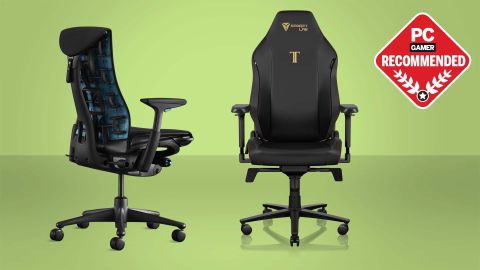

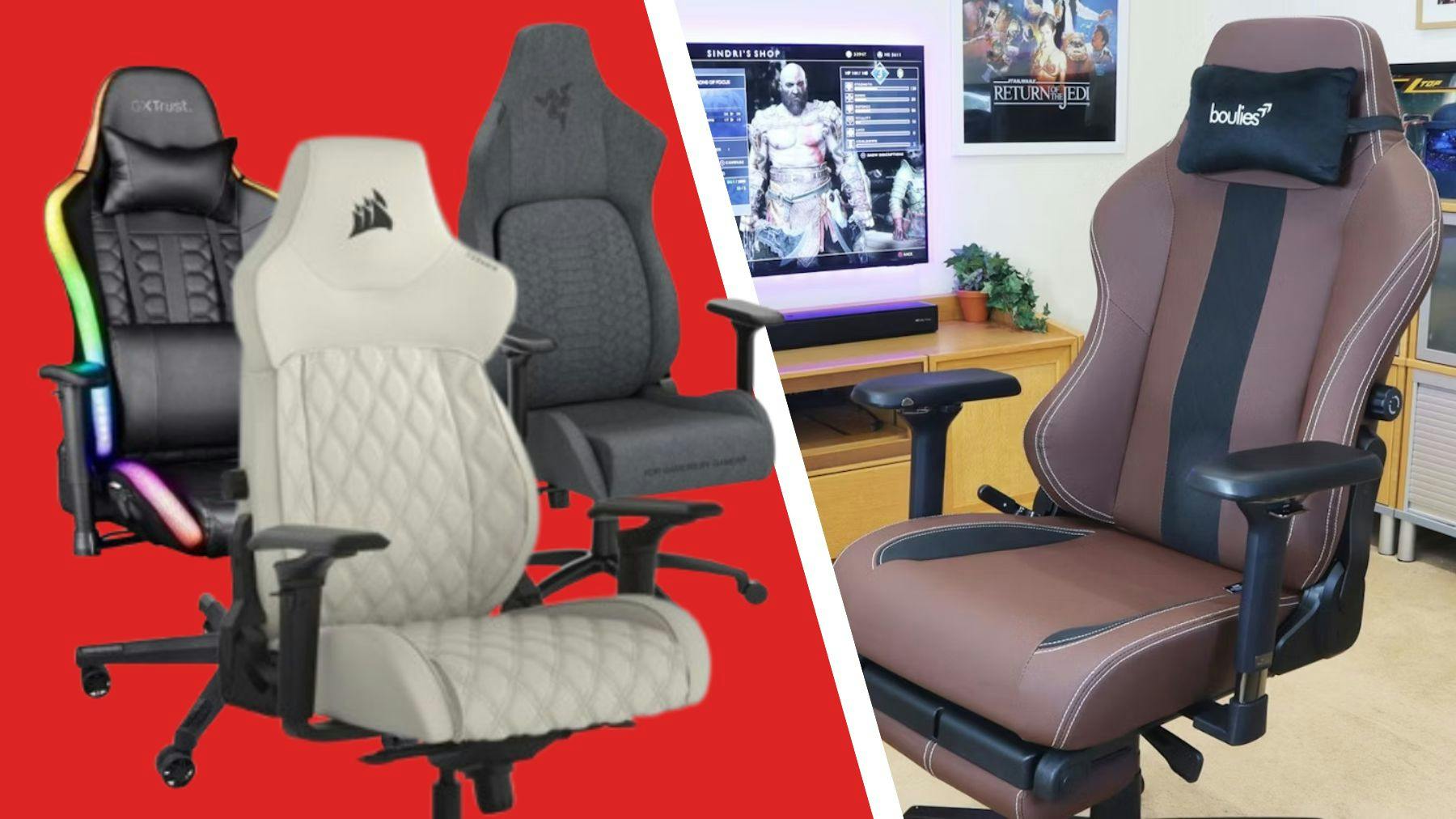

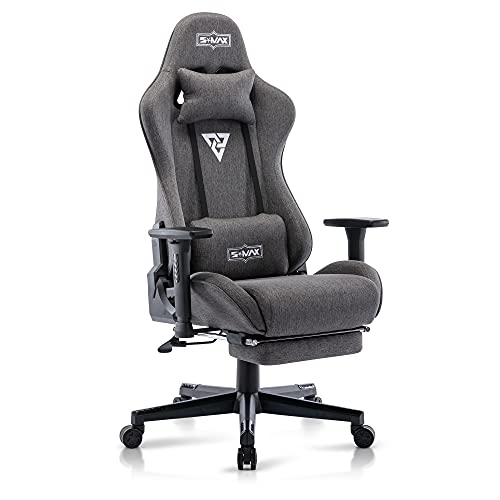
Best Gaming Chair In 2026 I Ve Tested A Ton Of Gaming Chairs And These 480 80 . 7 Best Gaming Chairs For Long Hours Of Comfort In 2026 Top 7 Gaming Chairs 2025 1tooh . Best Gaming Chairs In 2026 Handpicked By Our Experts Gaming Chairs . Best Gaming Chairs In 2026 For Upgraded Comfort Stuff Secret Lab Titan Evo 2022 . The Best Fabric Gaming Chair For 2026 SL500
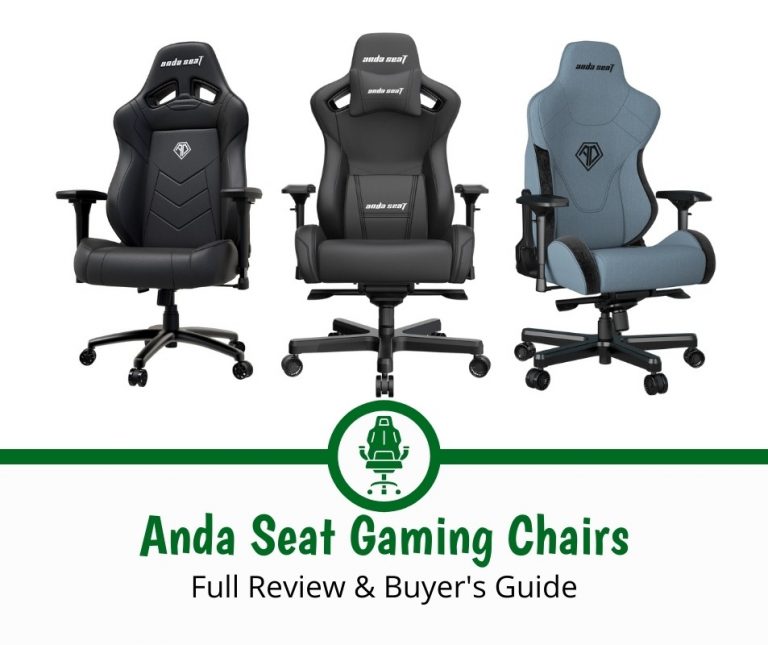

What Gaming Chair Does Use 2026 Chair Insights Anda Seat Gaming Chairs Review 768x645 . 32 Best Gaming Chairs Of 2026 Original 7323 1730239372 2 . Playseat Puma Active Gaming Seat The Best Gaming Chairs For 2024 Bk31.600 . 14 Best Gaming Chairs With A Footrest 2026 Chair Insights Best Gaming Chairs For Long Hours 768x645 . The Best Office Chairs For Gaming In 2024 How To Chose The Most Comfortable Gaming Chair Secret Lab Napa Titan Gamerant
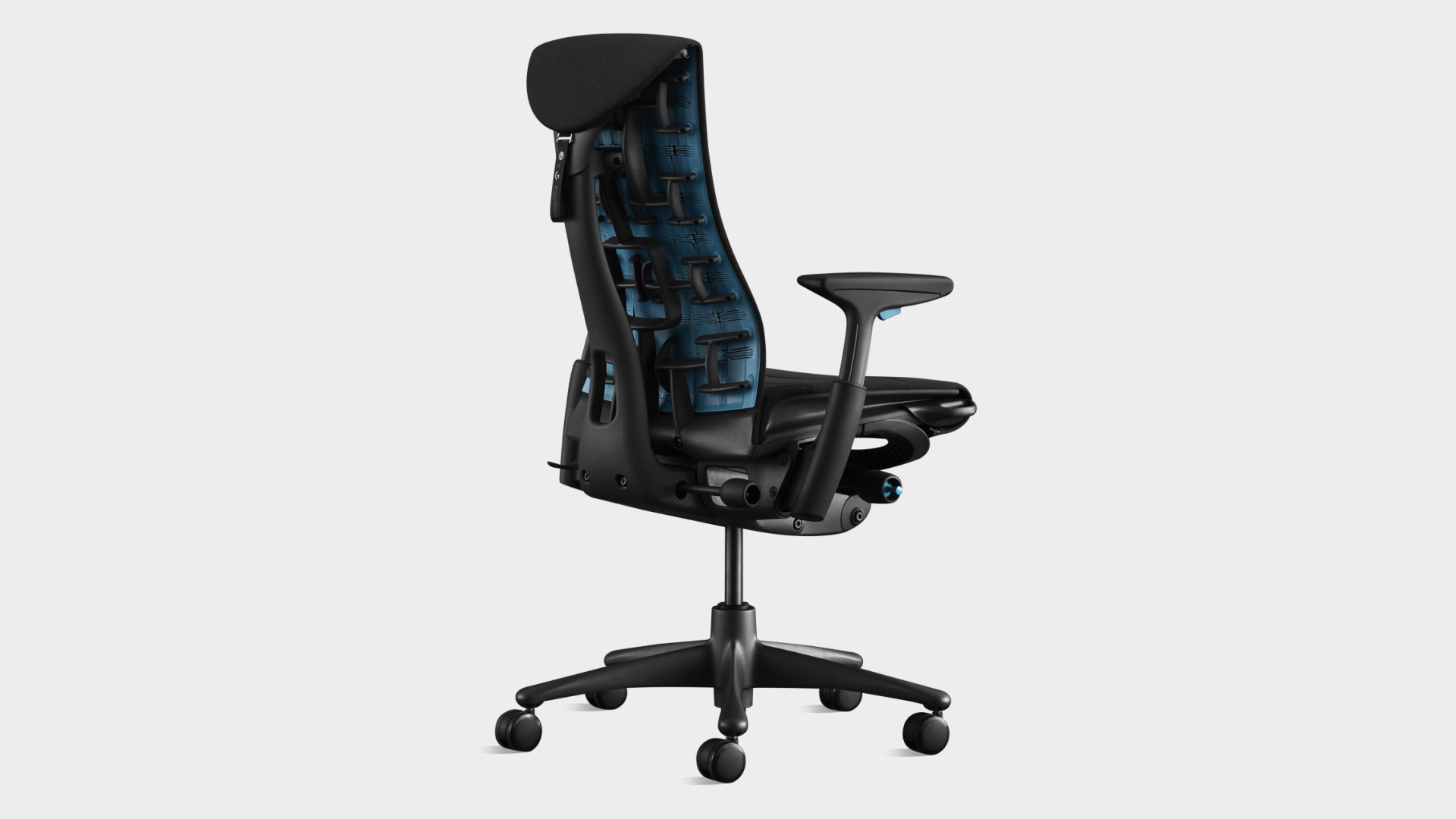


Best Gaming Chair In 2025 The Seats I D Suggest For Any Gamer PC Gamer . Best Gaming Chair In 2025 The Seats I D Suggest For Any Gamer PC Gamer . 8 Best Gaming Chairs 2026 Expert Picks And Buying Guide SL500 . Amazon Com Asus ROG Destrier Ergo Gaming Chair Futuristic Cyborg 51u6502Za L. AC SL1320 . The 15 Best Gaming Chairs In 2026 For Perfect PC Gaming Razer Iskur Fabric Gaming Chair 156x300
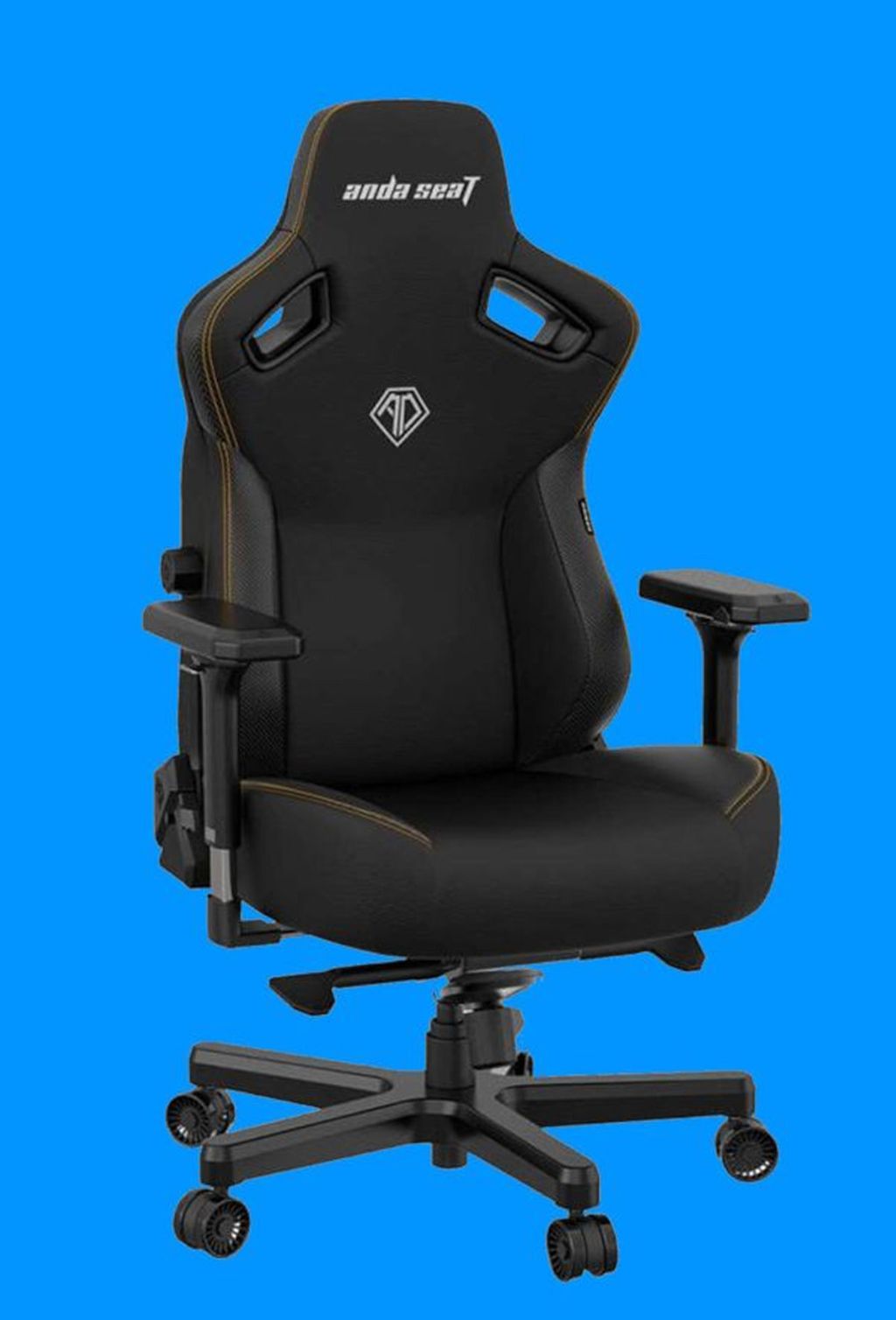
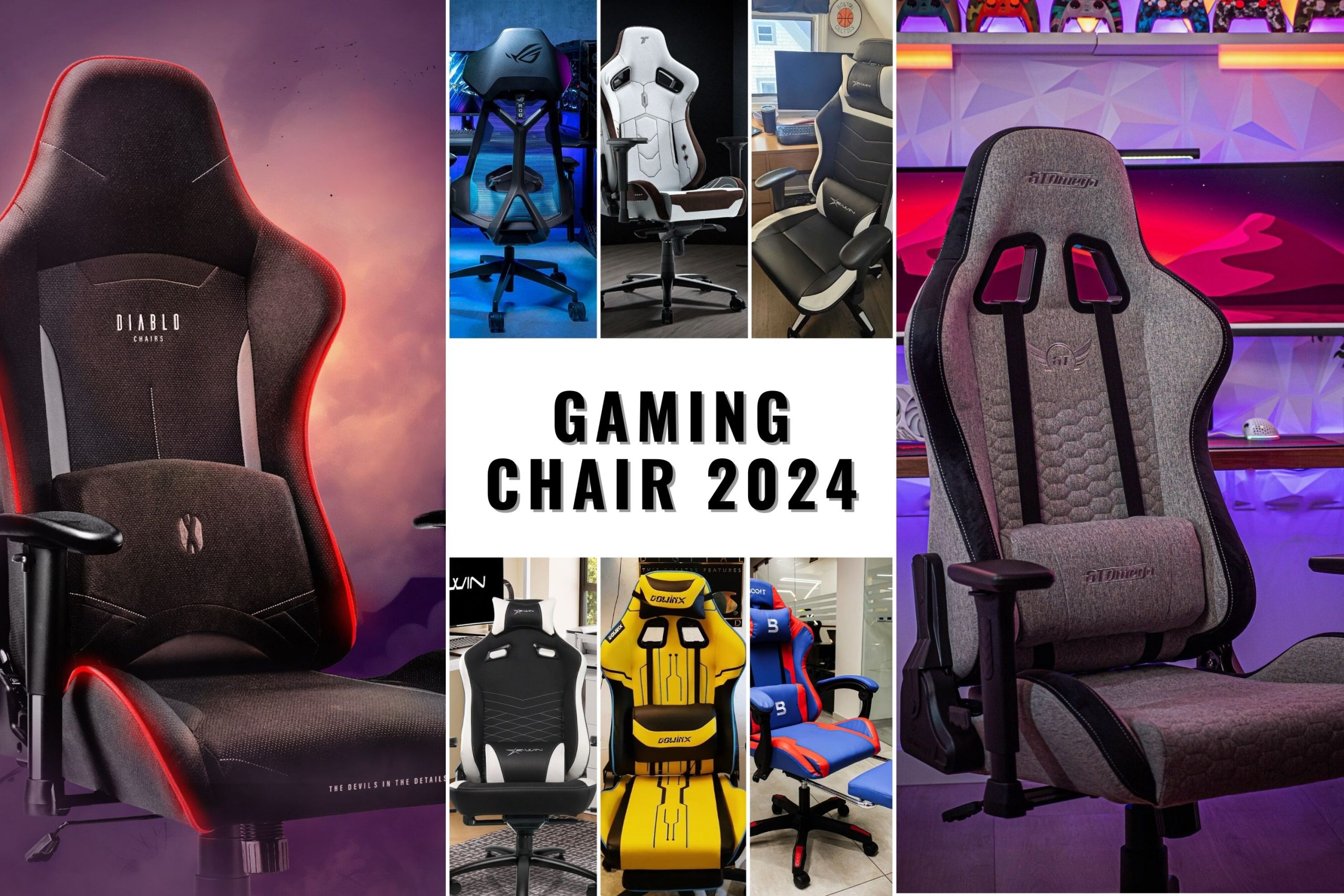
Best Gaming Chairs In 2024 The Seats I D Suggest For Any Gamer PC Gamer 1024 80 . 31 Top Gaming Chairs Of 2025 Elevate Your Gaming Experience 1 41 Scaled . Best Gaming Chair In 2025 The Seats I D Suggest For Any Gamer PC Gamer . Best Gaming Chairs In 2024 The Seats I D Suggest For Any Gamer PC Gamer . 5 Best Gaming Chairs 2024 F0b50 1920

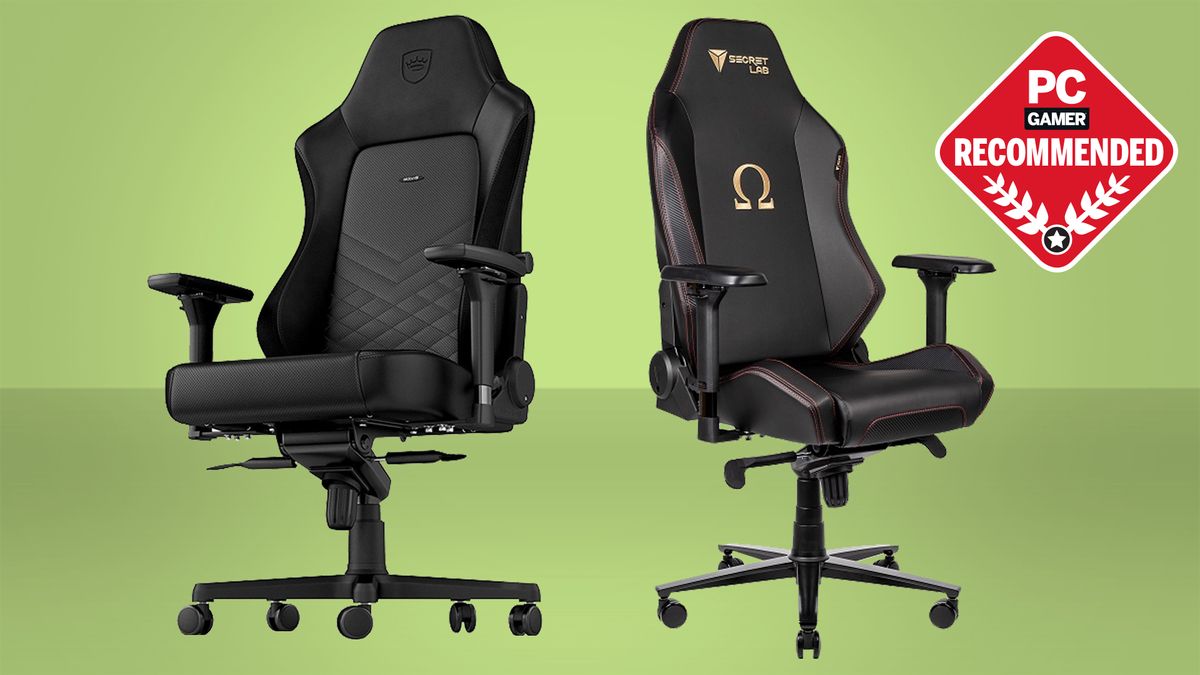
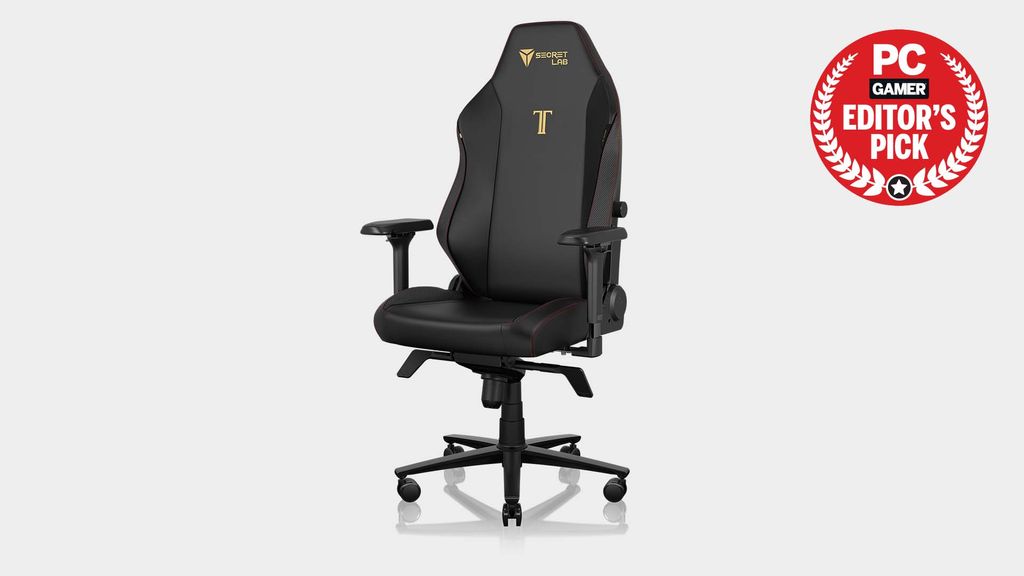
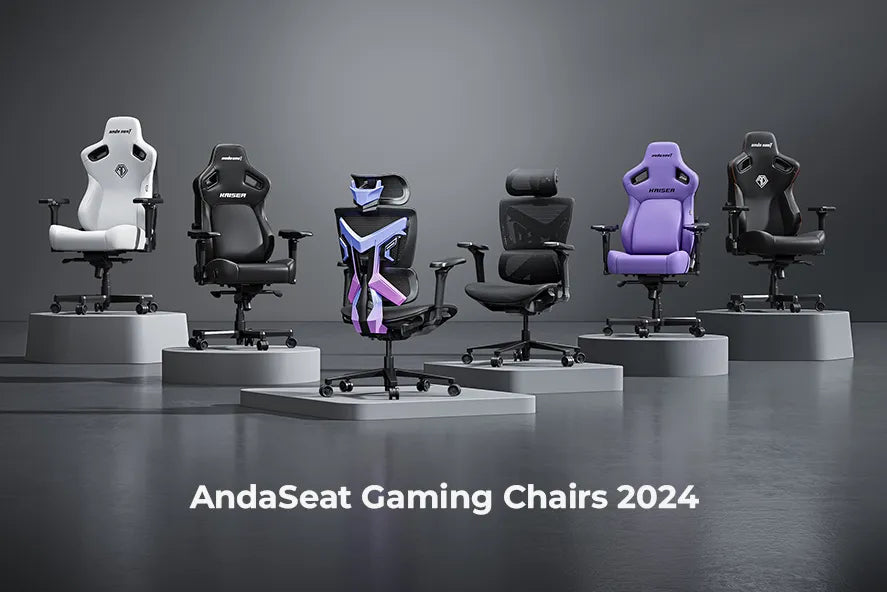
Best Gaming Chair In 2025 The Seats I D Suggest For Any Gamer PC Gamer 480 80 . Amazon Com Corsair T3 Rush Fabric Gaming Chair 2023 Racing 71wTMO IQIL. AC . Best Gaming Chairs In 2024 The Seats I D Suggest For Any Gamer PC Gamer 1200 80 . Best Gaming Chair In 2025 The Seats I D Suggest For Any PC Gamer PC 1024 80 . AndaSeat Gaming Chairs The Ultimate Buying Guide 2024 AndaSeat Official Andaseat Gaming Chair Buying Guide 2024 Webp.webp


The Best Gaming Chairs Of 2025 Tested And Rated Tom S Guide 320 80 . 5 Best Gaming Chairs 2026 Gaming Net Razer Iskur X . The Best Gaming Chairs Of 2024 Tried And Tested Trans . The Best Gaming Chairs We Ve Tested For 2026 PCMag 1.fit Lim.size . The Best Gaming Chairs For 2026 The Best Gaming Headsets For 2026 2716.640


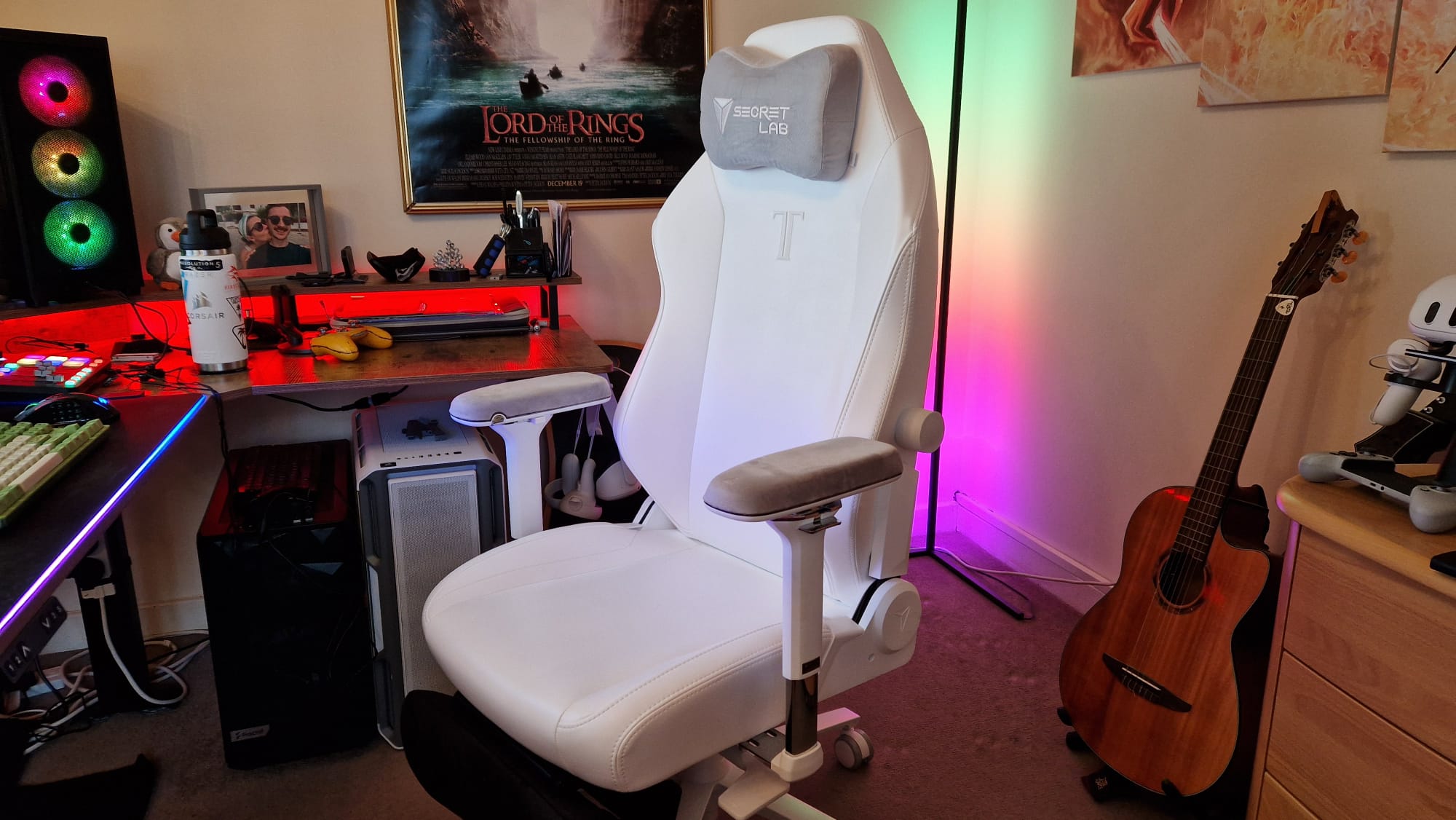
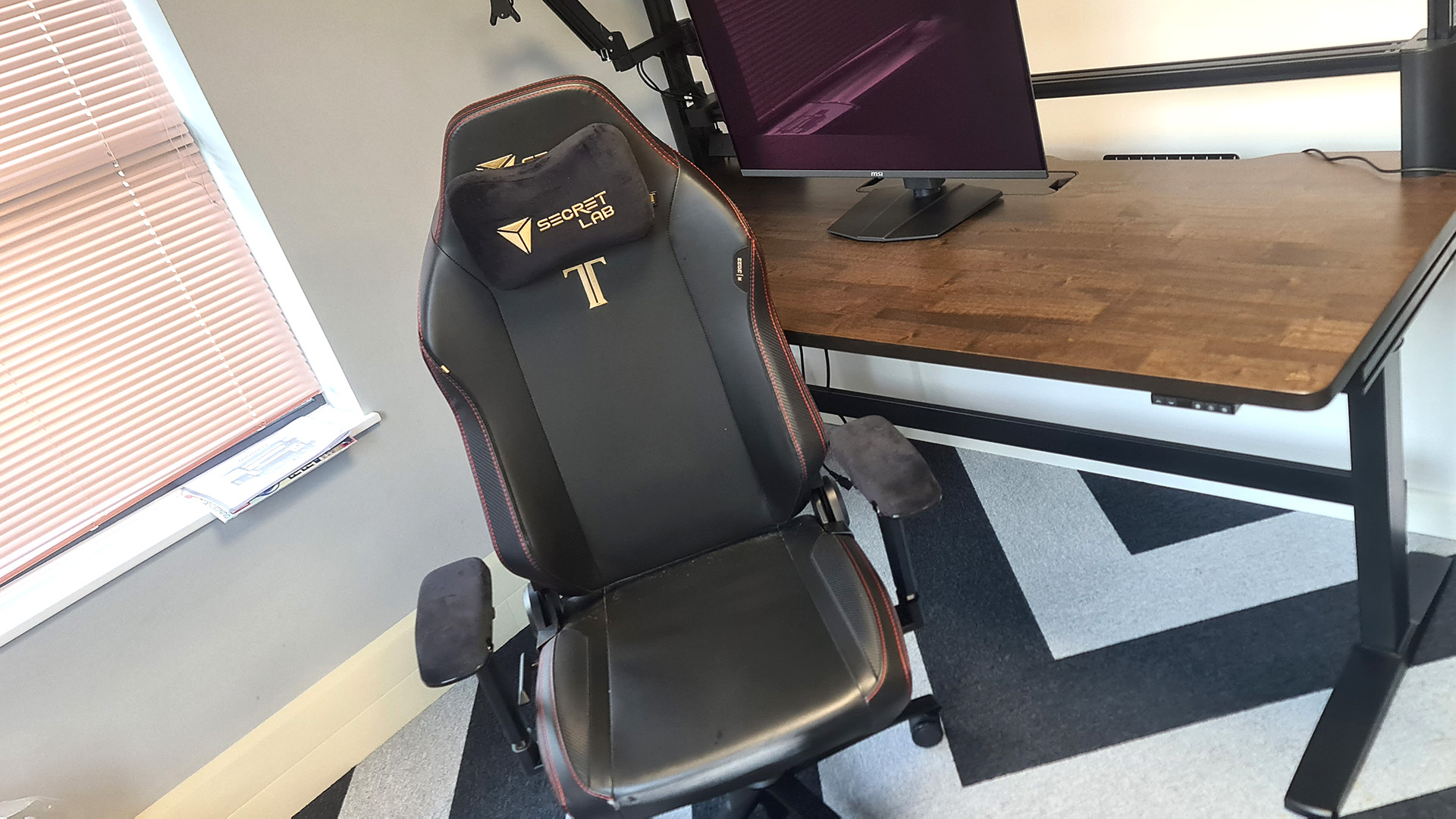

DXRacer Red Triangle Martian Pro Gaming Chair Video Review Shacknews Ac6b7e33 3612 4b81 A134 2 Feature . Best Gaming Chairs In 2026 For Upgraded Comfort Stuff Best Gaming Consoles Hero Image . Best Gaming Chairs 2024 The Best Options For Work And Play GamesRadar . Best Gaming Chair In 2025 The Seats I D Suggest For Any Gamer PC Gamer . Best Gaming Chairs In 2025 For Upgraded Comfort Stuff Secretlab Omega