Are you curious about the buzz surrounding small form factor PCs and wondering if they truly deliver a powerful punch in a compact package? This comprehensive guide dives deep into the world of SFF gaming rigs, offering invaluable insights for both seasoned enthusiasts and newcomers. We explore the latest 2026 advancements, component selections, and optimization strategies to ensure your mini marvel performs like a beast without hogging your desk space. Discover how SFF PCs are redefining gaming setups, tackling common challenges like cooling and power delivery with innovative solutions. Uncover expert tips to minimize FPS drops, resolve stuttering, and conquer lag, ensuring a silky-smooth experience across all your favorite titles, from fast-paced FPS games to immersive RPGs and competitive MOBAs. This article will equip you with all the knowledge to build, optimize, and maintain a high-performance small form factor system that stands out in the ever-evolving PC gaming landscape, providing a complete walkthrough for a truly exceptional gaming journey.
small form factor pcs FAQ 2026 - 50+ Most Asked Questions Answered (Tips, Trick, Guide, How to, Bugs, Builds, Endgame)
Welcome, fellow PC enthusiasts and curious newcomers, to the ultimate living FAQ for Small Form Factor PCs in 2026! The world of SFF gaming has exploded, offering unparalleled power in remarkably tiny packages. This comprehensive guide, meticulously updated for the latest hardware releases and optimization techniques, aims to demystify everything from basic concepts to advanced builds, troubleshooting, and future trends. Whether you're grappling with FPS drops, seeking the perfect cooling solution, or planning your endgame SFF dream machine, you've come to the right place. We're here to provide concise, expert answers, insider tips, and practical tricks to help you navigate the thrilling landscape of compact computing. Get ready to unlock the full potential of your SFF rig!
Getting Started with SFF
What is a Small Form Factor (SFF) PC?
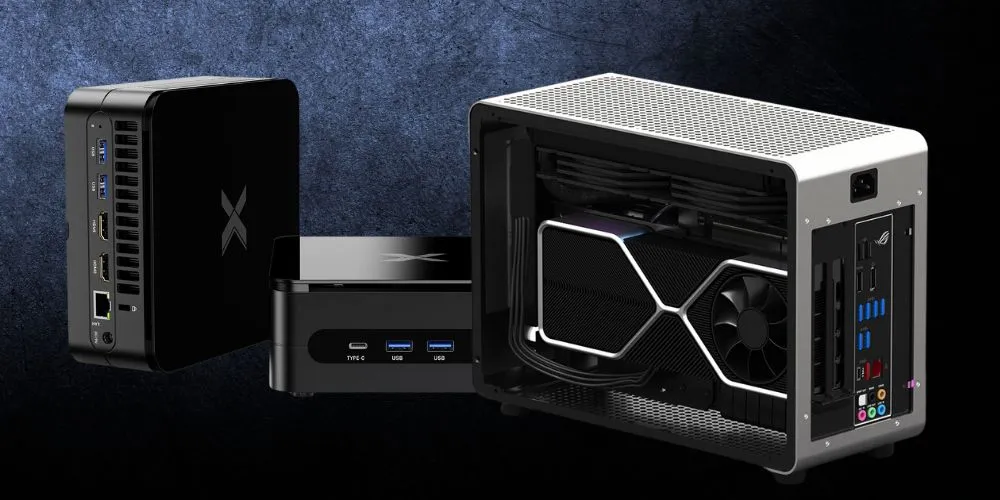
An SFF PC is a desktop computer built into a much smaller case than a traditional tower, typically under 20 liters in volume. They offer powerful performance in a compact design, saving space and providing portability. These systems are ideal for minimalist setups or frequent travelers seeking high-end computing.
Are SFF PCs good for gaming?
Absolutely! Modern SFF PCs can house high-end CPUs and full-sized graphics cards, delivering identical gaming performance to larger systems. With proper component selection and cooling, they excel in even the most demanding titles, including competitive FPS and immersive RPGs.
How much does an SFF gaming PC cost?
The cost of an SFF gaming PC varies widely, similar to full-sized builds, from around $800 for budget-friendly options to over $3000 for high-end systems. Component choices, especially the GPU and CPU, are the primary cost drivers. Expect a slight premium for specialized SFF parts like SFX PSUs or compact coolers.
Myth vs Reality: SFF PCs always run hotter.
Reality: While SFF PCs have less internal volume, modern cases and coolers are engineered for excellent thermal performance. With careful planning, smart component selection (e.g., efficient GPUs, low-profile coolers), and proper airflow, SFF builds can maintain optimal temperatures without significant throttling. Undervolting components also helps reduce heat effectively.
Performance & Cooling Insights
What is the best way to cool an SFF PC?
Effective SFF cooling involves choosing a case with good airflow, selecting a powerful low-profile air cooler or a compatible AIO liquid cooler, and optimizing fan placement. Undervolting your CPU and GPU also significantly reduces heat, allowing components to run cooler and quieter. Prioritize components with efficient cooler designs.
How do I prevent FPS drops in my SFF PC?
To prevent FPS drops, ensure your drivers are updated, optimize in-game settings to match your hardware, and monitor component temperatures to avoid throttling. Good cooling is crucial. Additionally, close unnecessary background applications and consider undervolting your GPU for stable performance, especially during long gaming sessions.
Can SFF PCs handle overclocking?
Yes, SFF PCs can handle mild to moderate overclocking, but thermal headroom is tighter than in larger builds. Successful SFF overclocking requires premium cooling solutions, excellent case airflow, and often undervolting. Push your hardware cautiously and monitor temperatures closely to avoid instability or premature component wear.
Myth vs Reality: You need special SFF GPUs.
Reality: While some GPUs are marketed as 'mini' or 'ITX-friendly,' most SFF cases today can accommodate full-sized, dual-slot or even triple-slot graphics cards. The key is to check the case's maximum GPU length and width specifications. Always measure twice to ensure compatibility with your chosen SFF enclosure. Many high-end cards fit easily.
Builds & Component Choices
What motherboard size is used in SFF PCs?
The most common motherboard size for true SFF PCs is Mini-ITX (mITX), measuring 170x170mm. Some slightly larger SFF cases might support Micro-ATX, but Mini-ITX offers the best balance of features and compact dimensions, allowing for powerful builds within a very small footprint.
What kind of power supply (PSU) do SFF PCs use?
SFF PCs typically use SFX (Small Form Factor) or SFX-L power supplies, which are significantly smaller than standard ATX PSUs. SFX-L units are slightly longer than SFX but often accommodate larger, quieter fans. Ensure your chosen PSU provides enough wattage for your components and fits your case's specifications.
What is the best SFF case for gaming?
The 'best' SFF case is subjective, depending on desired size, cooling, and aesthetic. Popular high-performance options include the Dan A4-H2O, Cooler Master NR200P, Fractal Design Terra, and FormD T1. Research specific case dimensions, GPU clearance, and cooling support to match your components and preferences. Each offers unique advantages for different build types.
Myth vs Reality: SFF builds are always super expensive.
Reality: While some niche SFF cases and custom-length cables can add a premium, the core components (CPU, GPU, RAM) cost the same as for a larger PC. You might pay slightly more for an SFX PSU or a compact, high-performance cooler, but the overall build cost is comparable to a mid-tower once components are chosen. Budget-friendly SFF options also exist.
Troubleshooting & Optimization
How do I fix stuttering in my SFF PC?
Stuttering in SFF PCs can often be fixed by updating graphics drivers, ensuring adequate cooling to prevent thermal throttling, and optimizing in-game settings. Check for background applications consuming resources. If using Wi-Fi, consider a wired Ethernet connection to eliminate network-related stutter. Regularly cleaning dust from fans also helps.
What should I do if my SFF PC is lagging in games?
If your SFF PC is lagging, first check your internet connection for high Ping or packet loss, especially in online games. For performance lag, update drivers, reduce graphics settings, and verify your cooling is sufficient to prevent CPU/GPU throttling. Monitor system resource usage to identify potential bottlenecks. Ensure your system isn't running out of RAM.
Myth vs Reality: SFF PCs are difficult to upgrade.
Reality: While space is tighter, SFF PCs are generally quite upgradeable. Many cases offer modular designs for easier access. CPUs, RAM, and storage are typically straightforward. GPU upgrades depend on clearance, so check dimensions. The main difference is that upgrades might require a bit more patience and careful planning compared to a wide-open mid-tower. It's not impossible, just a slightly different process.
Future Trends & Innovations
What are the future trends for SFF PCs in 2026 and beyond?
Future SFF trends include greater component integration (more powerful integrated graphics, NPUs), advanced cooling solutions like micro-fluidics, and continued miniaturization of power delivery. Expect more modular cases, wider adoption of external GPU enclosures via high-bandwidth I/O like Thunderbolt 5, and a focus on sustainable, recyclable materials. The goal is higher performance in smaller, more efficient packages.
Myth vs Reality: SFF PCs are a niche market.
Reality: The SFF PC market is rapidly growing beyond a niche. With advancements in component efficiency, cooling, and case design, SFF is becoming a mainstream choice for gamers, content creators, and professionals seeking powerful, space-saving, and aesthetically pleasing setups. Major manufacturers are increasingly investing in SFF-specific hardware, reflecting its expanding popularity and broad appeal. It's no longer just for enthusiasts; it's a significant segment of the PC market.
Still have questions?
If you're still pondering the perfect SFF build or troubleshooting a specific issue, dive into our related guides like 'Advanced SFF Cooling Strategies 2026' or 'Mastering SFF Cable Management for Beginners'. Join the discussion on dedicated SFF communities like r/sffpc for personalized advice and inspiration. The SFF journey is an exciting one!
Ever found yourself staring at a sprawling PC tower and wondering, 'Can't I get all that power in something much smaller?' You're not alone. The whispers about small form factor PCs have grown into a roar, and in 2026, these compact powerhouses are absolutely dominating the gaming landscape. These aren't just cute little boxes; they are engineering marvels packing serious punch. We are here to spill the tea on how these mini machines are revolutionizing how we game and work, bringing high performance into sleek, space-saving designs.
Forget everything you thought you knew about powerful PCs being monstrously large. Today's SFF builds are proving that big things truly do come in small packages. From cutting-edge cooling to the latest graphics cards, designers are finding ingenious ways to fit everything you need into a fraction of the space. This shift means more flexible setups and less desk clutter, a win for every gamer and creative professional alike. It's truly an exciting time for technology enthusiasts.
Why Small Form Factor PCs are Dominating 2026 Gaming
Small form factor PCs have taken the gaming world by storm for some compelling reasons. The advancements in component miniaturization and efficiency are truly astounding these days. Gamers can now enjoy top-tier performance without sacrificing their precious desk real estate. This makes them ideal for modern minimalistic setups or even for those who frequently move their gaming rig.
Space Efficiency and Portability Unlocked
One of the most obvious benefits is their incredibly small footprint. These PCs fit comfortably on any desk, shelf, or even tucked away discreetly. Their compact design also means enhanced portability, allowing gamers to easily transport their high-performance setup to LAN parties or different rooms. It's a game-changer for those who need flexibility.
- Reduced desk clutter for a cleaner workspace.
- Easy to move and transport to various locations.
- Ideal for smaller apartments or multi-purpose rooms.
Aesthetics and Customization Redefined
Modern SFF cases offer stunning aesthetics and a wide range of customization options. Builders can express their unique style through various materials, lighting, and internal layouts. These systems become not just a tool but a statement piece within any room. It allows for a personalized touch on a powerful machine.
- Sleek designs that complement any modern interior.
- Extensive options for personalization and aesthetic flair.
- Many cases feature tempered glass to showcase internal components.
The SFF Revolution: What's Driving It?
The rapid evolution of SFF PCs isn't accidental; it's fueled by significant technological leaps. Component manufacturers are designing parts specifically for compact environments. These innovations address traditional limitations like heat management and power delivery effectively. This ensures that smaller builds do not compromise on raw processing power.
Innovative Cooling Solutions for Tight Spaces
Cooling has always been a major concern for compact PCs, but 2026 has brought incredible breakthroughs. Advanced air coolers and efficient all-in-one liquid coolers are now designed to fit snugly into SFF cases. Manufacturers are also developing cases with optimized airflow pathways and innovative material choices. This keeps even high-end components running cool under heavy loads, preventing FPS drops and ensuring a stable gaming experience.
Power-Packed Components in Miniature
Graphics cards, CPUs, and power supplies are becoming increasingly efficient and smaller without sacrificing performance. New generations of GPUs like NVIDIA's RTX 5000 series and AMD's Radeon RX 8000 series offer compact versions that still deliver immense horsepower. Modular SFX power supplies provide clean power in a tiny footprint, further enabling high-end SFF builds. These advancements are key to their success.
Common Challenges & How to Overcome Them
While SFF PCs offer many advantages, they come with their own set of challenges. Managing heat, optimizing for noise, and fitting components require careful planning. Addressing these issues proactively ensures a smooth and enjoyable experience, preventing common headaches like stuttering fix and lag. It truly helps to do your research beforehand.
Ensuring your drivers are up-to-date is crucial for any PC, especially SFF systems where every bit of optimization counts. Outdated drivers can lead to performance bottlenecks and system instability. Regularly checking for and installing the latest drivers for your GPU, motherboard, and other peripherals can significantly improve FPS and overall system responsiveness. Don't overlook this simple but effective maintenance task.
Optimizing Your SFF for Peak Performance
Tuning your SFF PC is vital for maximizing its potential in demanding games like Battle Royale titles or intricate RPGs. Proper settings optimization can make a huge difference, particularly when dealing with high refresh rate monitors. Adjusting in-game settings, managing background processes, and ensuring adequate ventilation are crucial steps. Small tweaks can yield significant performance gains.
Dealing with Ping and lag in online multiplayer games like MOBA titles requires more than just a fast internet connection. Optimizing your network settings, ensuring a wired connection where possible, and minimizing network congestion can dramatically reduce latency. A smooth connection is as important as high FPS for competitive play. Every millisecond counts in critical moments.
Beginner / Core Concepts
1. Q: What exactly defines a Small Form Factor PC, and why should I care about one?
A: I get why this confuses so many people, especially with all the jargon floating around! Simply put, a Small Form Factor (SFF) PC is any desktop computer built into a much smaller case than a traditional mid-tower or full-tower. We're talking cases that are often under 20 liters in volume, though some enthusiasts go even smaller. You should care because they offer powerful performance in a tiny footprint, saving space and looking incredibly sleek. It's like getting a sports car engine in a compact frame. This means you can have a high-end gaming or workstation PC that doesn't dominate your desk or become an eyesore in your living room. They're also surprisingly portable, which is a huge plus if you attend LAN parties or frequently rearrange your setup. Think of it as peak efficiency meeting aesthetic appeal. You've got this!
2. Q: Are SFF PCs really as powerful as bigger ones, or do I sacrifice performance for size?
A: This one used to trip me up too, honestly! But let me tell you, in 2026, the answer is a resounding 'no,' you absolutely do not have to sacrifice significant performance for size. Modern SFF builds can house the most powerful CPUs and full-sized graphics cards available, like the latest RTX 5080 or Radeon RX 8900. The key is in smart component selection and clever engineering within the cases themselves. Component miniaturization has come so far that you're essentially getting the same processing power in a more condensed package. While extreme overclocking might be slightly more challenging due to thermal constraints, for 99% of users, an SFF PC will perform identically to its larger counterpart. It's about optimizing, not compromising. Try this tomorrow and let me know how it goes.
3. Q: What are the main components I need to consider for an SFF build that are different from a standard PC?
A: Great question! While most core components are the same, a few key ones get special SFF treatment. First, the motherboard: you'll almost certainly need an ITX (Mini-ITX) motherboard, which is much smaller. Next, the power supply: you'll likely use an SFX or SFX-L power supply, which are compact versions of standard ATX PSUs. Cooling is crucial: you'll need a low-profile air cooler or a small AIO liquid cooler designed for tight spaces. Lastly, always double-check the length and thickness of your chosen GPU to ensure it fits your specific SFF case. These are the main differences that require careful planning. It's all about fitting big power into a small box effectively. You've got this!
4. Q: Is building an SFF PC much harder than building a regular-sized one?
A: I totally get why this might seem intimidating, but it's not 'harder' in a fundamental sense, just 'different' and often a bit more fiddly. The process itself is the same—installing CPU, RAM, GPU, etc. The challenge comes from the reduced space; cable management becomes an art form, and getting your hands into tight spots requires patience and sometimes smaller tools. Think of it like assembling IKEA furniture in a closet versus an open room. It requires a bit more foresight in planning your build order and maybe a few extra deep breaths. But with a good guide and a little patience, it's a very rewarding experience. Don't be scared, you'll be fine!
Intermediate / Practical & Production
5. Q: What are the best strategies for managing heat and achieving good airflow in a compact SFF case?
A: Okay, this is where the SFF game gets really interesting, and frankly, it's often the biggest concern for new builders. The best strategy is a multi-pronged approach that starts with case selection. Look for cases with excellent ventilation, like mesh panels on multiple sides. Then, choose your cooler wisely; a high-performance low-profile air cooler or a well-regarded 240mm AIO liquid cooler (if your case supports it) is essential. Fan placement is critical—think about positive or negative pressure setups. Often, two intake fans at the bottom and one exhaust fan at the top or rear can work wonders. Undervolting your CPU and GPU can also significantly reduce heat output with minimal performance loss, a trick many pros use. It's all about creating efficient pathways for air to move. You've got this!
6. Q: How do I ensure I pick compatible components when there's so little room for error in SFF builds?
A: This is a super important question, and it's where meticulous planning really pays off! The number one rule for SFF compatibility is: measure everything twice, buy once. Start by picking your case, as it dictates almost all other component choices. Then, check the case's specifications for maximum GPU length, CPU cooler height, power supply type (SFX/SFX-L), and fan sizes. Use online resources like PCPartPicker, but *always* cross-reference with the official case and component manuals. Community forums like r/sffpc are goldmines for seeing what others have successfully fit into specific cases. Don't forget cable management; some PSU cables can be stiff and take up precious space. Take your time, draw out your build order, and don't hesitate to ask for advice in those communities. You'll nail it!
7. Q: Can I really fit a high-end graphics card and CPU into an SFF case without major thermal throttling?
A: Absolutely, you can! This is one of the most common misconceptions about SFF builds. With 2026's component efficiency and advanced SFF case designs, fitting a top-tier GPU and CPU without major thermal throttling is not only possible but increasingly common. The key, as we've discussed, is careful selection. You'll want GPUs with efficient cooler designs, and sometimes a two-slot card might be preferable to a three-slot monster. For CPUs, pairing them with the best possible SFF-compatible cooler is crucial. Many modern SFF cases are designed to effectively dissipate heat from high-wattage components, often using chimney-style airflow or direct GPU exhaust. Undervolting and setting custom fan curves are also excellent tools to maintain optimal temperatures. Don't let old myths hold you back from a powerful mini rig. Try this tomorrow and let me know how it goes.
8. Q: What are some effective strategies to minimize noise levels in an SFF PC?
A: Ah, the silent killer! Noise can definitely be an issue in SFF builds because components are packed tighter, and fans might need to spin faster. The best strategies revolve around choosing quality components and smart optimization. Invest in low-noise fans from reputable brands like Noctua or be quiet!, and use a high-quality CPU cooler that can handle your CPU's TDP efficiently. Undervolting your CPU and GPU will significantly reduce heat, which means fans don't have to work as hard. Custom fan curves are your best friend here; set them to be as quiet as possible at idle and ramp up only when necessary. Consider fan vibration dampeners and acoustic padding if your case allows. Finally, choose a PSU with a silent fan profile or a fanless option if your power requirements permit. It's about finding that sweet spot between cooling and quiet. You've got this!
9. Q: Are there any specific networking considerations or optimizations for SFF PCs, especially for competitive gaming?
A: That's a sharp question, and often overlooked! For competitive gaming in your SFF rig, the networking considerations are largely the same as any PC, but sometimes the compact nature can introduce subtle challenges. Always, always prioritize a wired Ethernet connection over Wi-Fi for stability and lowest Ping. Ensure your ITX motherboard has a quality integrated LAN controller (many premium boards do). If you're stuck with Wi-Fi, invest in a good Wi-Fi 6E or upcoming Wi-Fi 7 card with external antennas if your case or motherboard supports it, as internal antennas in a cramped SFF can sometimes suffer interference. Beyond hardware, optimize your router settings, enable QoS (Quality of Service) for gaming traffic, and close bandwidth-hogging background applications. Remember, a compact PC doesn't mean compact latency! You'll be dropping frames in-game if your network isn't solid. You'll nail it!
10. Q: What about storage? Are there limitations or specific recommendations for SFF builds?
A: Great point! Storage in SFF PCs usually leans heavily into NVMe SSDs, and for good reason. M.2 NVMe drives are incredibly compact and offer lightning-fast speeds, making them perfect for boot drives and primary game storage. Most ITX motherboards will have at least one, often two, M.2 slots. Traditional 2.5-inch SATA SSDs or HDDs can be used if your case has mounting points, but space is often limited for them. You might fit one or two 2.5-inch drives, but full-sized 3.5-inch HDDs are rare in true SFF cases. Focus on getting a large enough NVMe drive (or two) to cover your needs. External storage via USB-C or Thunderbolt 4 is also a fantastic option for bulk storage or backups. It's all about maximizing density and speed where it counts. You've got this!
Advanced / Research & Frontier 2026
11. Q: What cutting-edge cooling technologies are emerging specifically for ultra-compact SFF systems in 2026?
A: Okay, now we're getting into the really exciting stuff, the bleeding edge of 2026! We're seeing incredible innovation in ultra-compact SFF cooling. Beyond more efficient fin stacks and fan designs, there's a strong push towards vapor chamber technology being integrated directly into CPU and GPU cold plates in a more widespread, consumer-friendly way. Think about micro-fluidic cooling systems, which use tiny channels and specialized liquids for hyper-efficient heat transfer in extremely thin profiles. Some advanced concepts even involve thermoelectric coolers (TECs) for targeted hot spot reduction, though these are still a bit niche due to power consumption. We're also seeing active-passive hybrid cooling, where tiny fans only kick in during peak loads. The goal is to move massive amounts of heat with minimal volume. It's fascinating stuff! You've got this!
12. Q: How are power delivery solutions evolving to support increasingly powerful components in smaller form factors?
A: This is a crucial area because power delivery is a huge enabler for SFF performance, and 2026 is seeing some neat advancements. Beyond the already excellent SFX and SFX-L PSUs, we're observing a trend towards even higher power density in these compact units, with manufacturers pushing 1000W+ in SFX form factors. More exciting, though, is the integration of power components directly onto the motherboard PCB in a more sophisticated way for certain applications, reducing the need for chunky cables. Also, external power bricks (like those found with some NUCs or laptops) are becoming more powerful and efficient, potentially allowing for even smaller PC enclosures, with only a small DC-DC converter inside the case. We're moving towards more modular and distributed power systems. The future is very efficient! Try this tomorrow and let me know how it goes.
13. Q: What impact will emerging technologies like chiplet-based GPUs and integrated AI accelerators have on SFF design by late 2026?
A: Oh, this is a fantastic forward-looking question! Chiplet-based GPUs, which are becoming more common, could have a profound impact. By allowing graphics processing units to be built from smaller, interconnected dies, manufacturers might gain more flexibility in shaping the physical dimensions of GPUs. Instead of one massive monolithic die, you could potentially have more modular, flatter designs or even multi-stack solutions that are better suited for SFF constraints. Integrated AI accelerators (NPUs) directly on the CPU or even within the GPU package will further improve overall system efficiency, reducing power draw for AI tasks and thus less heat generation. This means more performance per watt, which is always an SFF builder's dream, freeing up thermal headroom for core gaming tasks. It's all about smarter, more compact processing! You'll nail it!
14. Q: Are there any new case materials or manufacturing techniques being explored to optimize SFF performance and durability?
A: Absolutely! We're always chasing that perfect balance of strength, lightness, and thermal performance. In 2026, we're seeing increased experimentation with advanced aluminum alloys that offer better heat dissipation than standard steel or even some aluminum sheets. There's also a growing interest in composite materials, potentially incorporating carbon fiber for structural rigidity and lightness, though cost remains a factor for widespread adoption. From a manufacturing perspective, CNC milling is becoming more common even for enthusiast-level cases, allowing for incredibly precise tolerances and complex internal structures optimized for airflow. We're also seeing modular designs that allow users to easily swap out panels for different cooling configurations (e.g., solid panels for silence, mesh panels for airflow). It's all about pushing the boundaries of what's possible in a small space. You've got this!
15. Q: How might future advancements in I/O (e.g., Thunderbolt 5, PCIe 6.0) influence the capabilities and design of SFF PCs?
A: This is a massive one for SFF, actually! Faster I/O like Thunderbolt 5 and PCIe 6.0 are going to unlock incredible external capabilities for these compact machines. Imagine this: with Thunderbolt 5's insane bandwidth, you could connect an external GPU enclosure with virtually no performance penalty, effectively turning a tiny SFF desktop into a full-blown gaming rig only when you need it. This could lead to super minimalist SFF PCs that primarily rely on integrated graphics for daily tasks but can unleash beastly power through an eGPU. PCIe 6.0 will mean even faster internal SSDs and even quicker communication between components on the motherboard, allowing for data-intensive applications to run smoother than ever. It enables modularity and expandability that were previously impossible, blurring the lines between internal and external power. It's an exciting future for compact computing! You'll be fine!
Quick 2026 Human-Friendly Cheat-Sheet for This Topic
- Case First: Always choose your SFF case before anything else; it dictates everything else.
- Cooling is King: Invest in the best SFF-compatible CPU cooler and ensure good case airflow.
- SFX Power: You'll need an SFX or SFX-L power supply for most SFF builds.
- ITX Motherboard: Mini-ITX is your standard motherboard size for SFF.
- Measure Twice: Double-check GPU length, cooler height, and PSU compatibility with your case specs.
- Cable Management: Plan your cable runs before installing components for a smoother build.
- Undervolt for Temps: Consider undervolting your CPU/GPU to reduce heat and noise with minimal performance loss.
Compact yet powerful gaming experience, Advanced cooling solutions in SFF, Component selection for small builds, Optimizing performance and mitigating lag, Future trends in mini PC technology, Portability and space-saving benefits.
35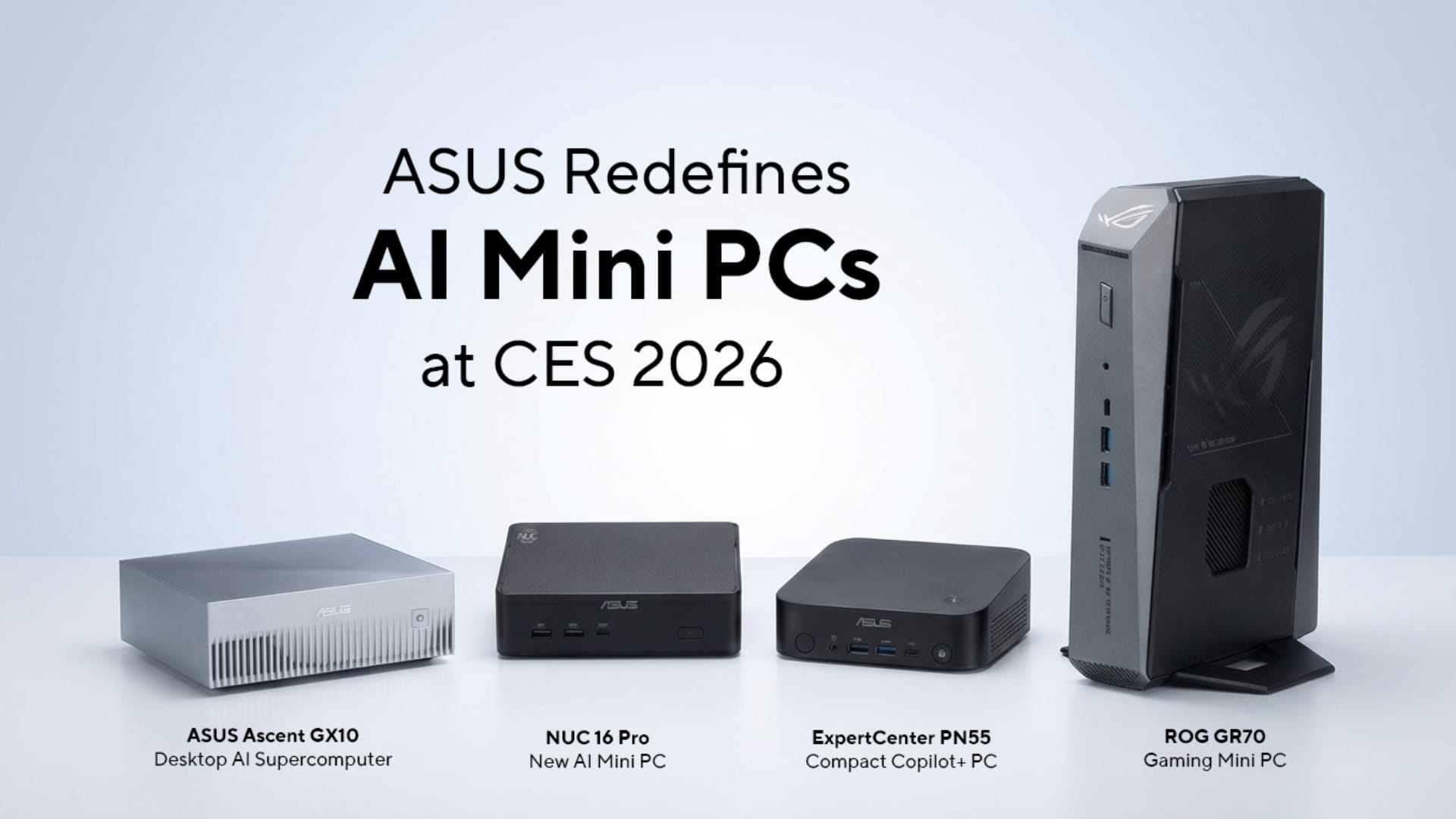


ASUS Unveils Ultrasmall Form Factor PCs With A Focus On AI Performance ASUS Unveils Ultrasmall Form Factor PCs With A Focus On AI Performance At CES 2026 . Best Mini Gaming PC 2026 Top Small Form Factor PCs Tested Best Mini Gaming Pc . 9 Best Small Form Factor PCs March 2026 Complete Guide Featured Image Uurr7gnx . 9 Best Small Form Factor PCs March 2026 Complete Guide 31h64czPKnL . Ultra Small Form Factor Desktops Super Ultra Small Form Factor Tiny Desktops Collection Image
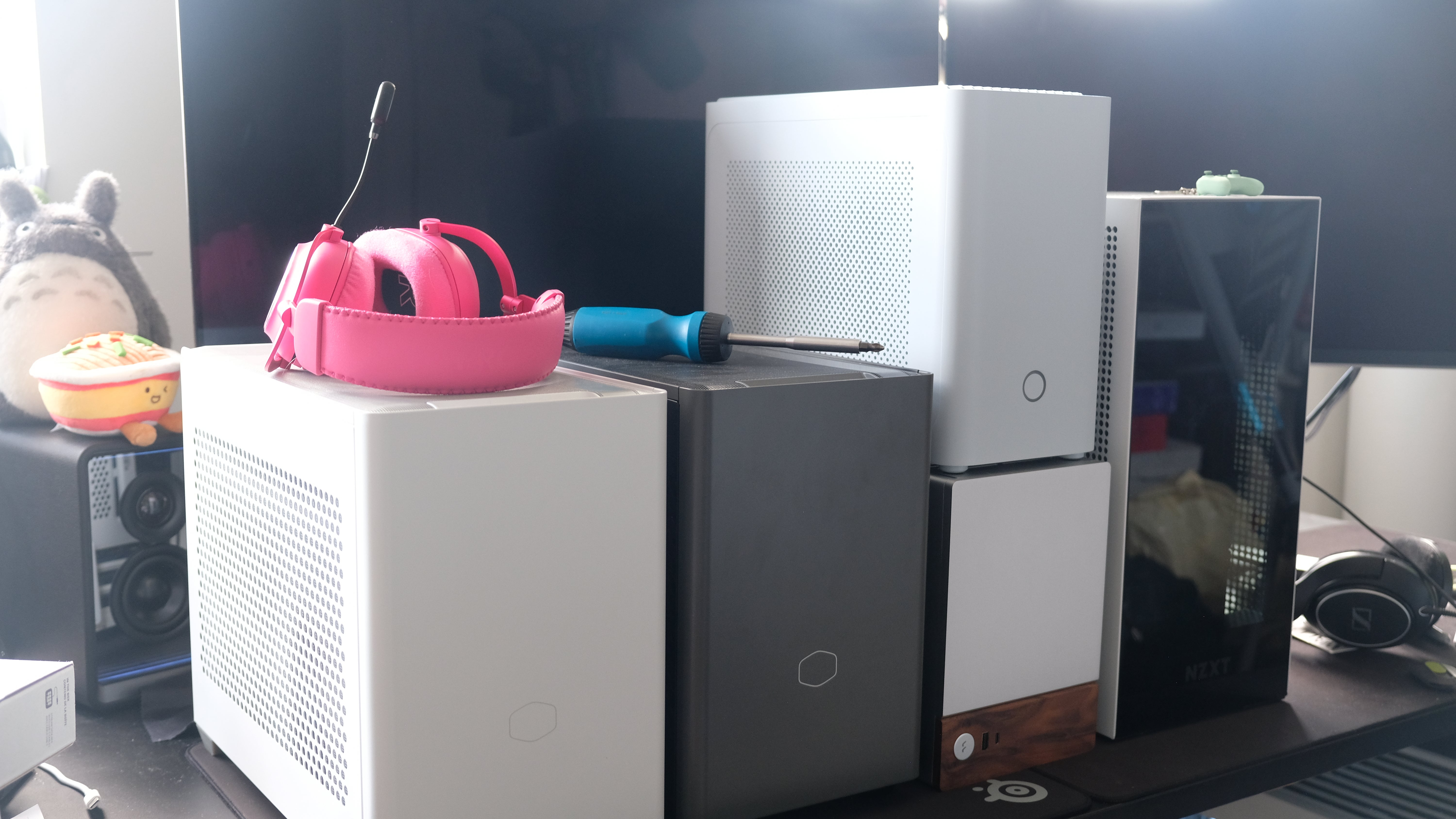
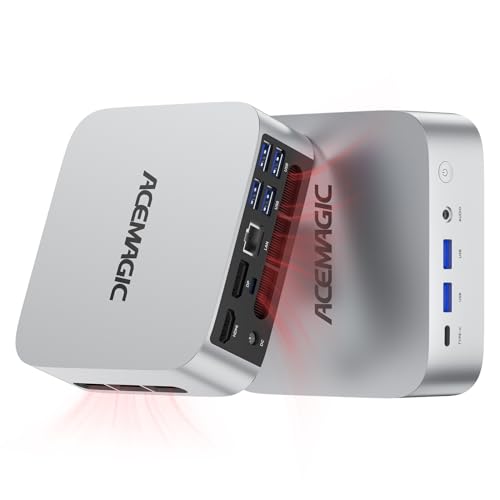
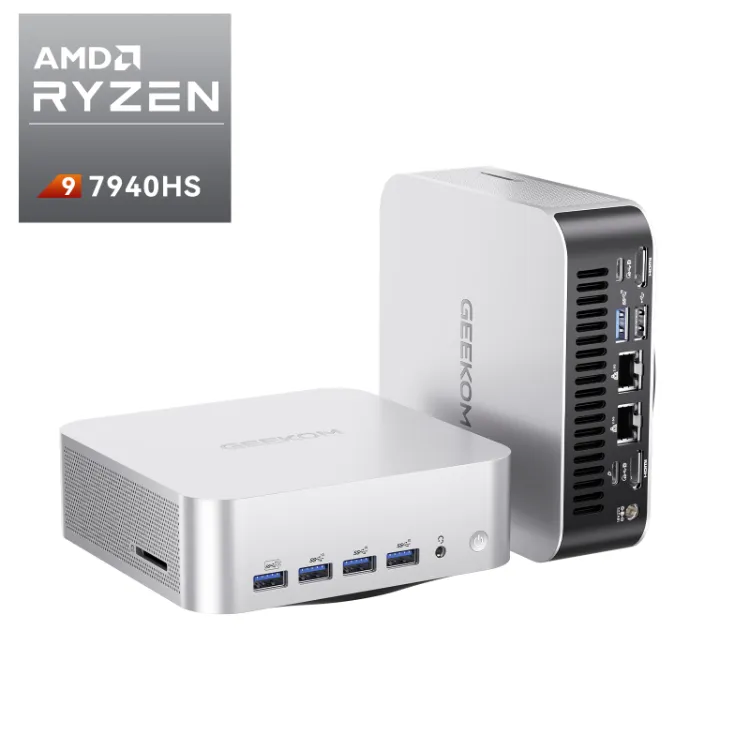
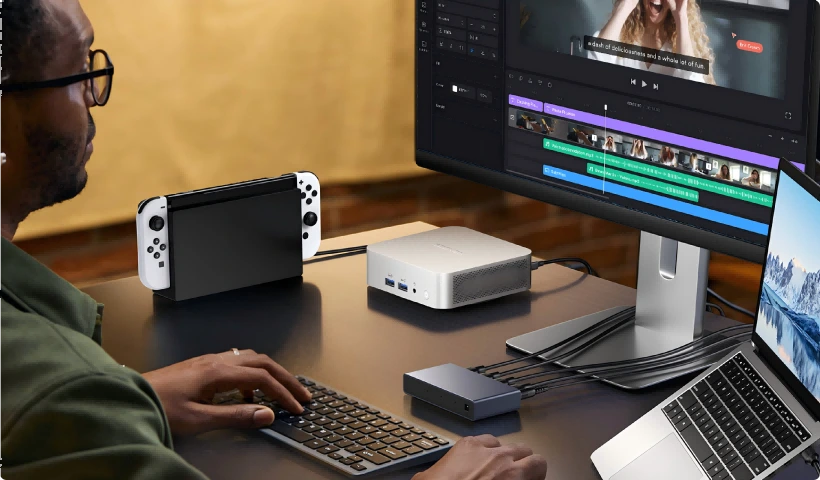

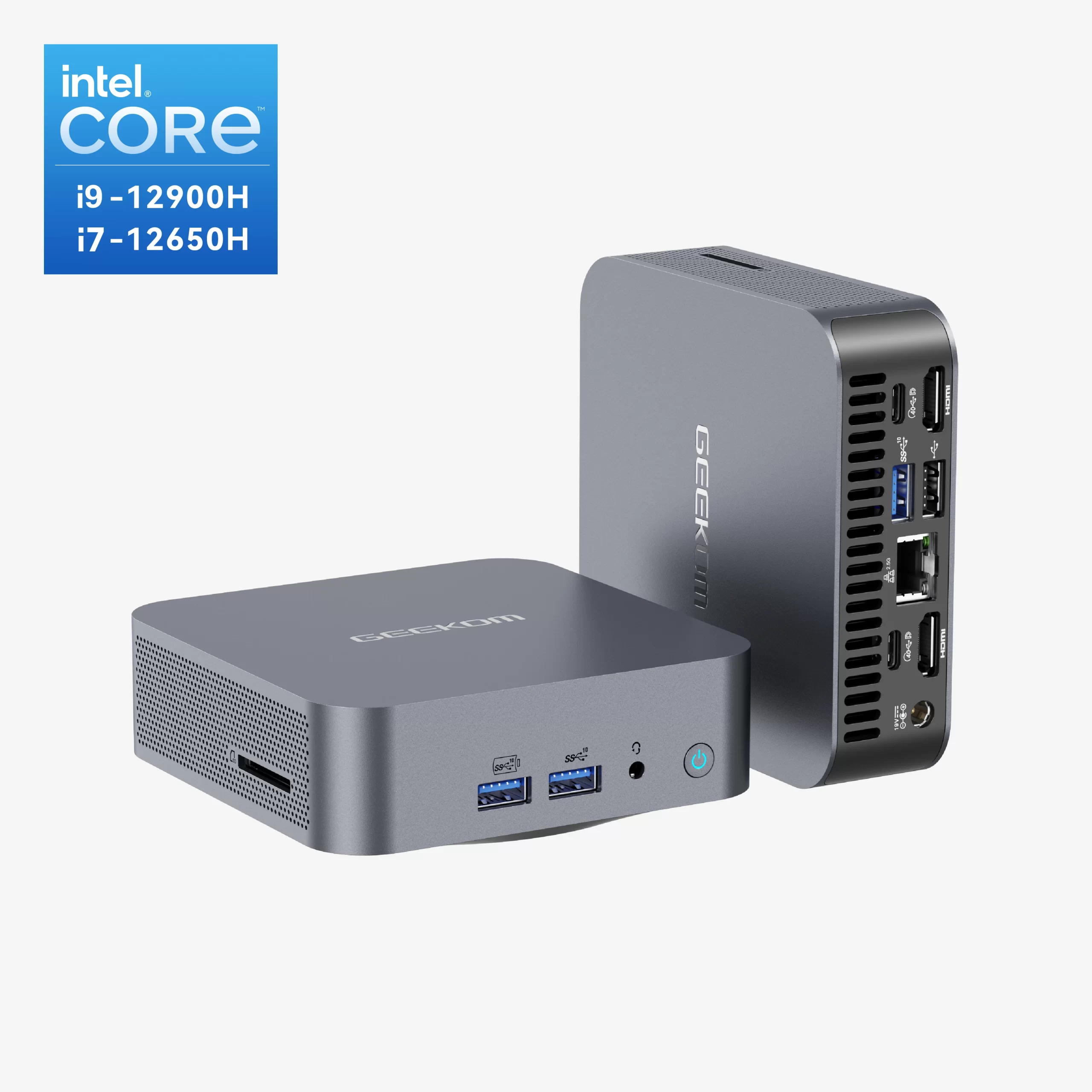
Best Mini ITX PC Cases 2026 Our Tested For Compact. 9 Best Small Form Factor PCs March 2026 Complete Guide 31ki5oPZZZL . Small Form Factor PCs GEEKOM UK Geekom Mini Pc A7 Max Img White. Intel I5 Vs I7 Which CPU Is Better For Your Budget 2026 Geekom Small Form Factor Pc 1.webp. Compact And Powerful Small Form Factor PCs GEEKOM Mini PCs It12 1
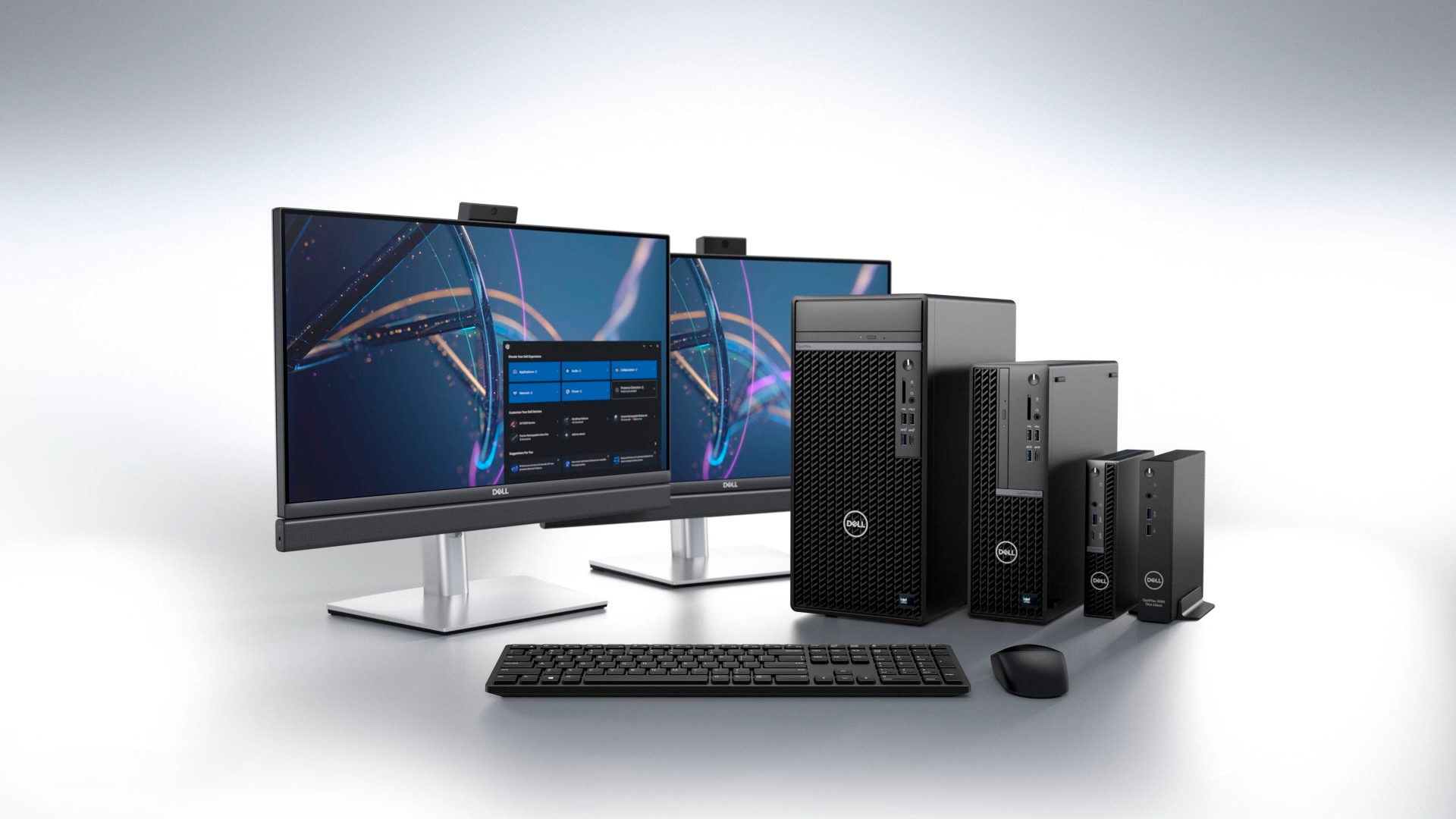
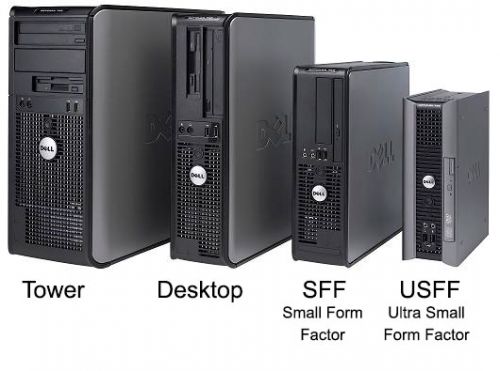


Dell OptiPlex Small Form Factor Desktop PC Mit Intel Prozessoren Der 14 The Optiplex Family Video Thumb . Small Form Factor Gaming PC Build Guide Back2Gaming Pc Form Factors . Small Form Factor PC Radeus Labs Small Form Factor PC 1General 45 16112 STACK Scaled . Small Form Factor PCs GEEKOM UK GT12 Scaled.webp. 9 Best Small Form Factor PCs March 2026 Complete Guide Best Commercial Panini Press


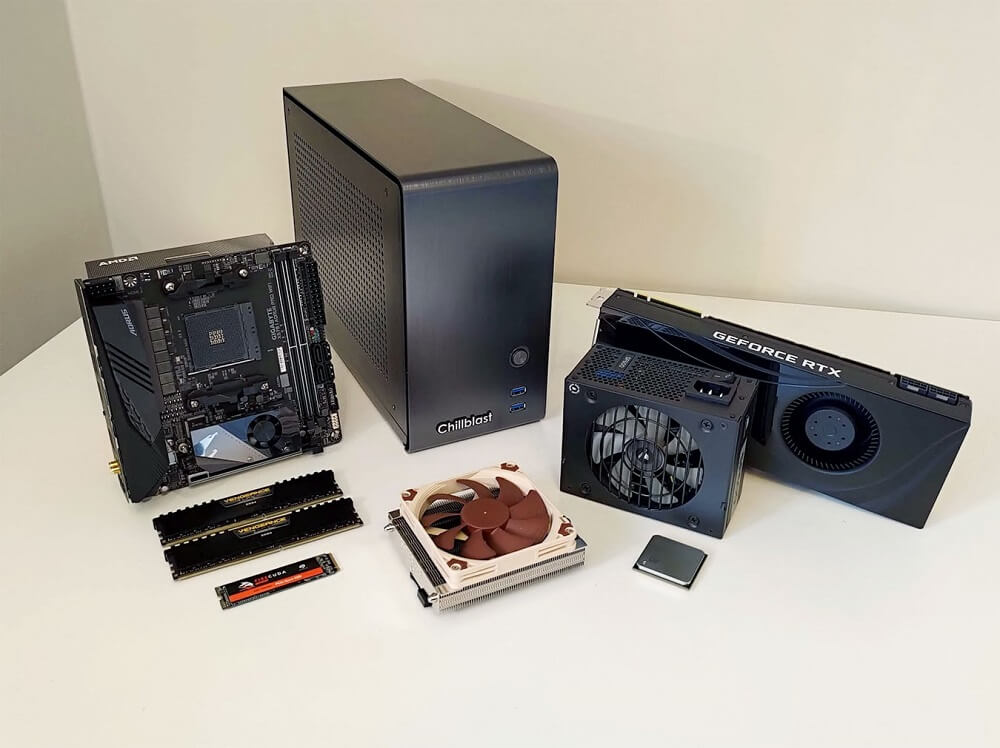


An Absolute Guide To A Small Form Factor PC Case What Qualifies A Small Form Factor SFF PC 768x439 . Most Powerful Small Form Factor Pc Printable Forms Free Online MAINGEAR SPARK 01 . Building The Ultimate Small Form Factor PC Chillblast Learn . 9 Best Small Form Factor PCs March 2026 Complete Guide Best German Coffee Maker . What Size Or Form Factor PC Do You Need IT 4 Offices Towerpcs
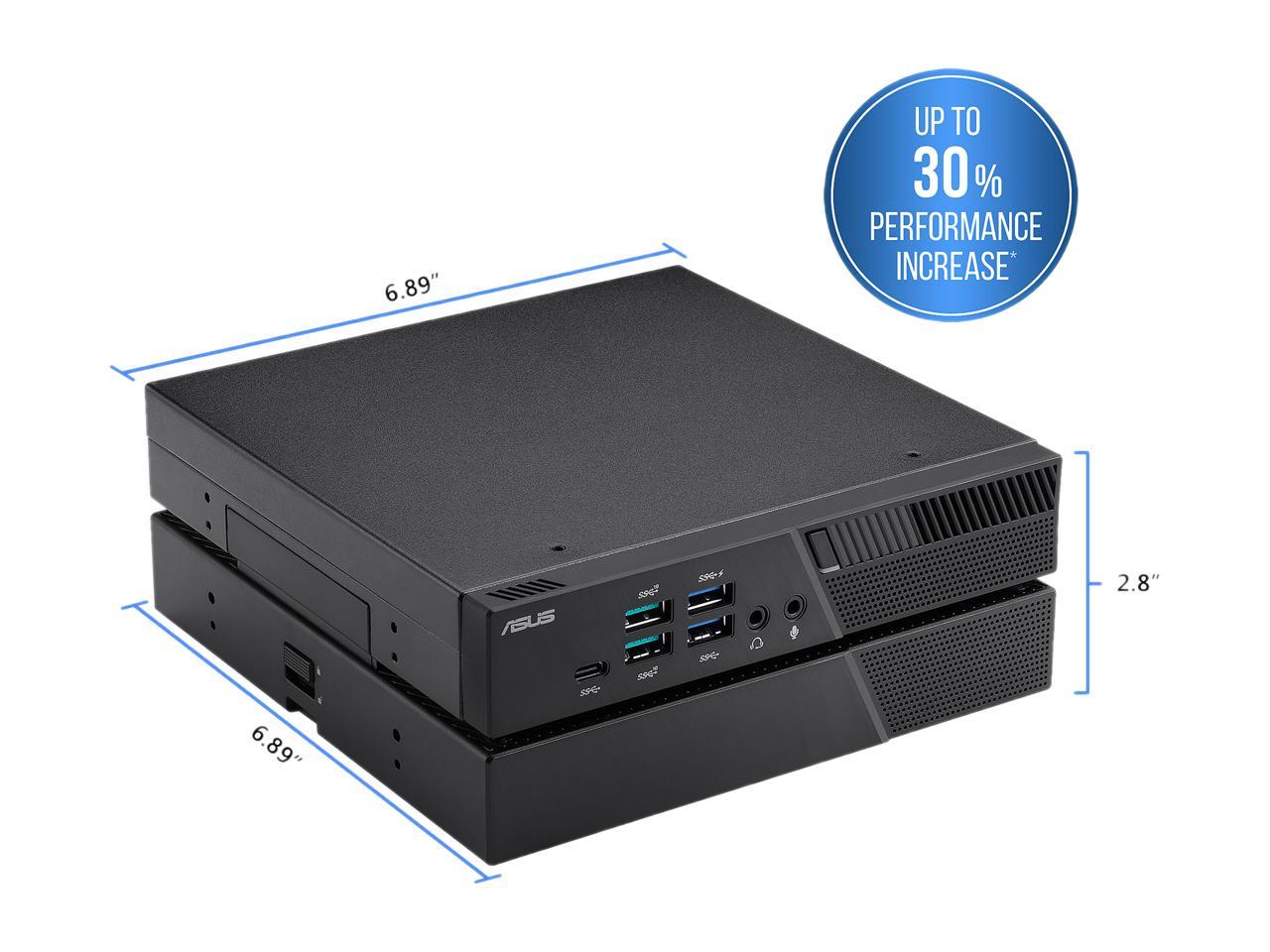

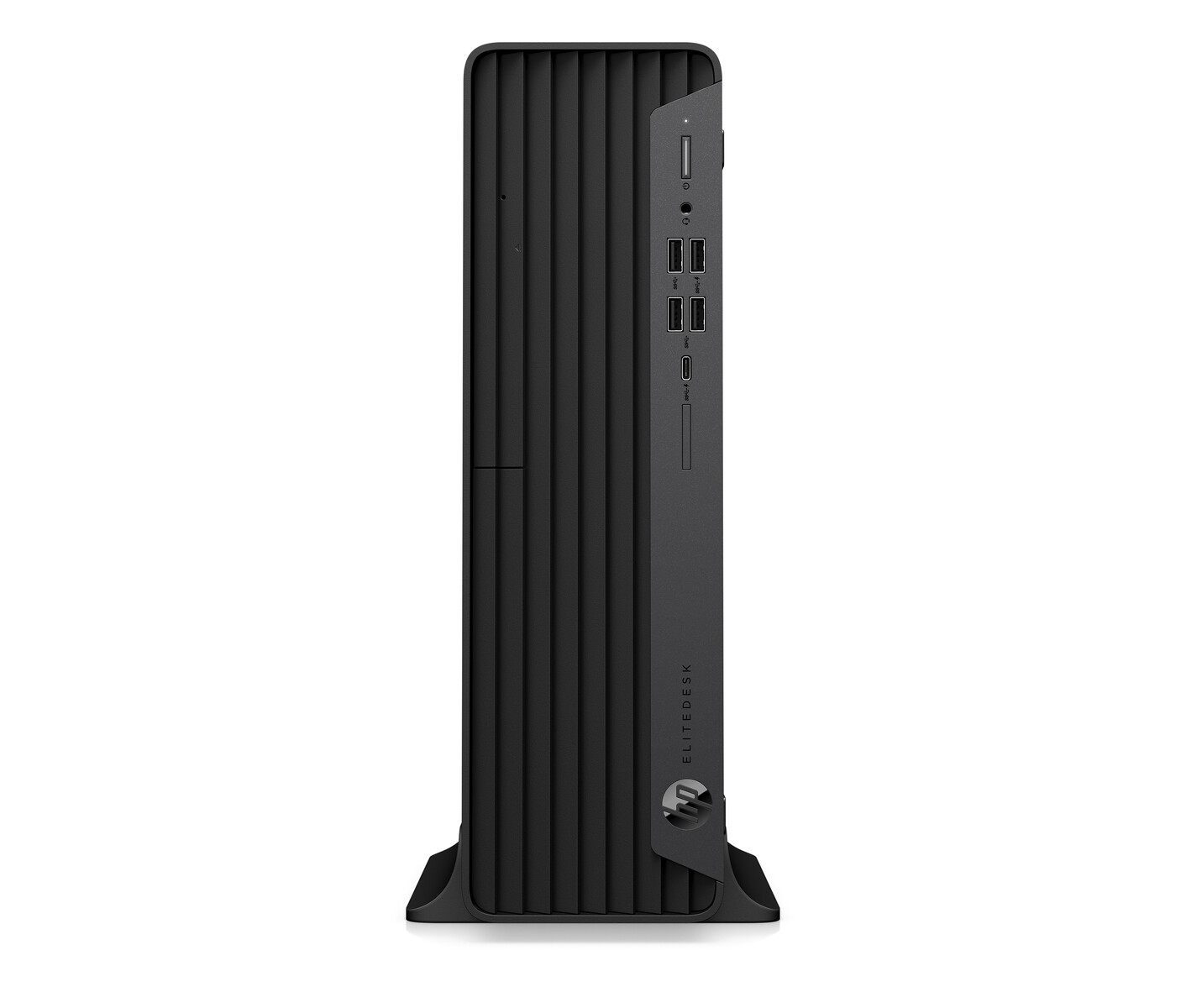
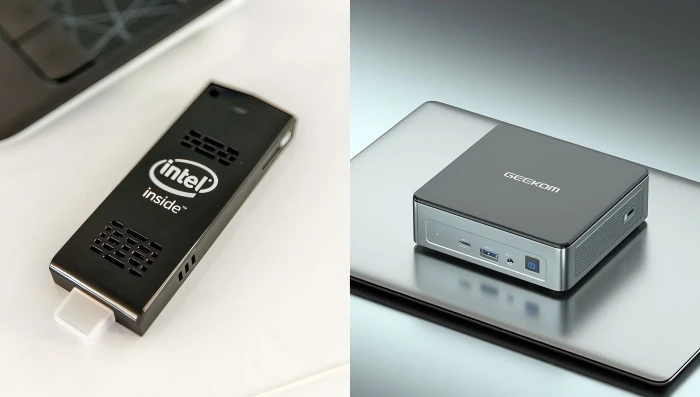
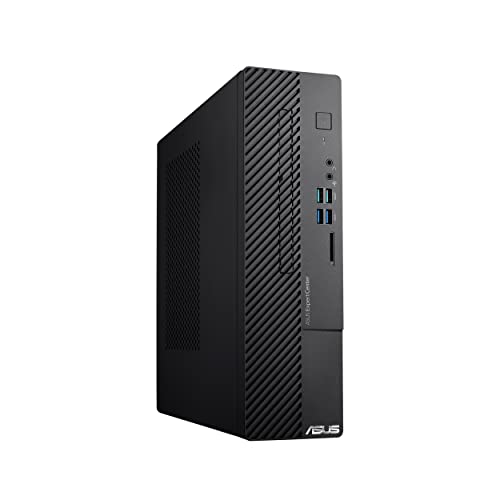
Asus Small Form Factor Computer Overclocked And Liquid Cooled Small 83 221 559 V02 . Build A Small Form Factor PC With Cooler Master S NR200 Case Up To 25 Build A Small Form Factor Pc With Cooler Master S Nr200 Case Up To 25 Off Windows Central . HP EliteDesk 800 G6 Mini PC SFF And Tower PC Offerings Pack Increased Csm HP EliteDesk 800 G6 Small Form Factor PC Vertical Front E82af75358 . Small Form Factor PCs GEEKOM UK Stick Pc Vs Mini Pc.webp. 9 Best Small Form Factor Desktop Computer For 2023 CitizenSide Asus D500sc Small Form Factor Desktop Pc Intel Core I5 11400 8gb Ddr4 Ram 512gb Pcie Ssd Tpm Windows 11 Black D500sc Xh503 31drcbCzLCL
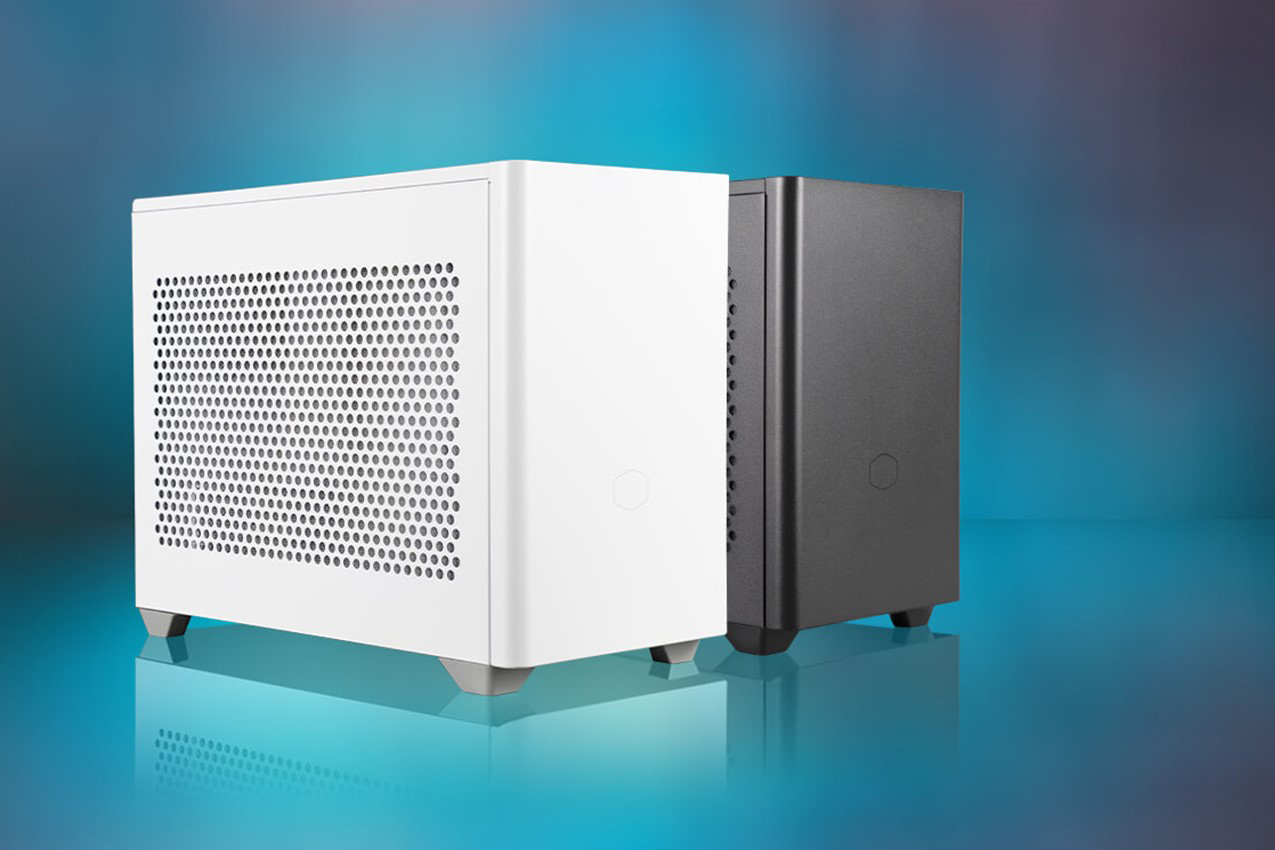

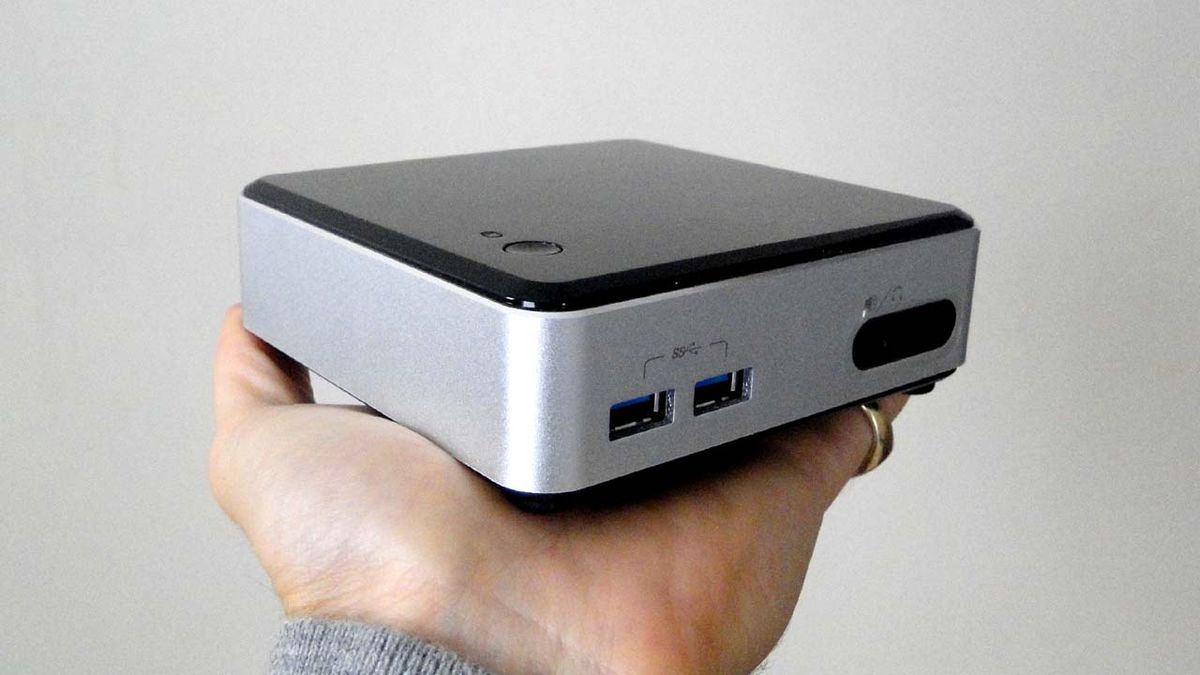


Power Supply Pc Small Form Factor At Dane Figueroa Blog Nr200 00 Header Desktop . What Is A Small Form Factor PC 5 Key Things To Know PCWorld DSCF0828 Final 1 . Intel S Nifty NUC Proves Small Form Factor PCs Need To Get Cheaper 1200 80 . Used Dell OptiPlex 7020 Small Form Factor Plus Desktop K9Y04 B H Dell K9y04 Optiplex 7020 Small Form 1835957 . B H More Than Just A Camera Store Shop Now Dell 1wrxw Optiplex Small Form Factor 1828720


Small Form Factor PCs GEEKOM UK Winter Sale Geekom Mini Pc A7 Max 205.webp. Compact PCs Choosing Hardware For Small Form Factors Compact PCs Choosing Hardware For Small Form. Compact And Powerful Small Form Factor PCs GEEKOM Mini PCs IT12 2 . Small Form Factor PC Radeus Labs Small Form Factor PC 1General Front 16124 STACK Scaled . Compact And Powerful Small Form Factor PCs GEEKOM Mini PCs IT11 1.webp