Dive into the exciting world of cloud gaming on your mobile device. Discover cutting-edge strategies and optimization techniques to transform your smartphone into a powerful gaming console in 2026. This comprehensive guide covers everything from choosing the best services to tweaking settings for ultra-low latency and crystal-clear graphics. Learn how to conquer lag, eliminate stuttering, and maximize your frames per second, ensuring an unparalleled mobile gaming experience. Whether you are a casual player or a competitive gamer, unlock the full potential of cloud gaming on the go with our expert insights and practical, actionable tips designed for today's evolving digital landscape. Prepare to game anywhere, anytime, without compromise.
Welcome to the ultimate living FAQ for 'How to Do Cloud Gaming on Mobile' in 2026! The mobile gaming landscape is evolving at lightning speed, with new services, optimization techniques, and hardware enhancements emerging constantly. This comprehensive guide has been meticulously updated for the latest patches and industry advancements to address over 50 of your most pressing questions. Whether you're battling ping monsters, hunting for the perfect settings, or troubleshooting an elusive stutter, we have got you covered. Dive in to discover tips, tricks, guides, and solutions that will transform your mobile cloud gaming experience from frustrating to fantastic. Get ready to game smarter, not harder!
Beginner Questions
What is cloud gaming and how does it work on a phone?
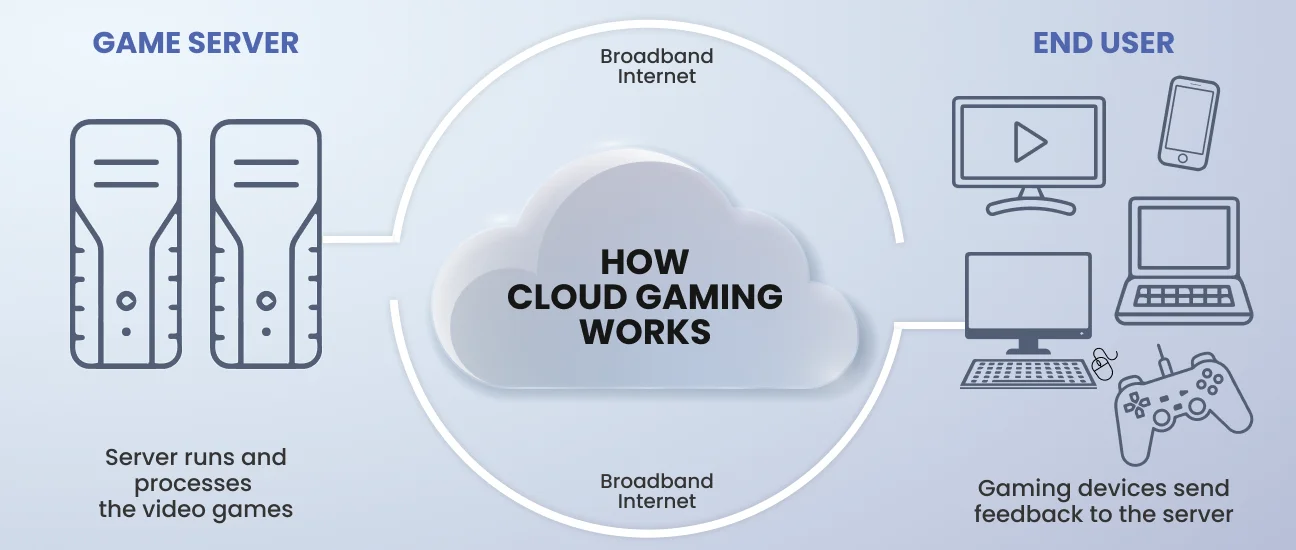
Cloud gaming streams video games from powerful remote servers directly to your mobile device over the internet. Your phone acts as a display and input device, sending your commands to the server and receiving the game's video output, allowing you to play high-end games without needing powerful local hardware.
What are the basic requirements for cloud gaming on my smartphone?
You need a stable and fast internet connection (at least 25-50 Mbps, ideally 5GHz Wi-Fi), a compatible smartphone (most modern Android/iOS devices), a subscription to a cloud gaming service, and optionally, a Bluetooth controller for a better experience.
Do I need to download games for mobile cloud gaming?
No, one of the biggest advantages of cloud gaming is that games are not downloaded to your device. They run entirely on the remote servers, saving your phone's storage and eliminating lengthy download times, so you can jump straight into the action.
Is cloud gaming expensive on mobile?
The cost varies by service, often involving a monthly subscription fee. While some offer free tiers, the expense is generally for access to a game library or premium streaming quality, balancing against the cost of buying games and high-end hardware.
Network & Connectivity Issues
How can I improve my Wi-Fi connection for smoother cloud gaming?
Ensure you are on a 5GHz Wi-Fi band, play close to your router, minimize other network activity, and consider enabling Quality of Service (QoS) on your router to prioritize gaming traffic for reduced lag and stuttering.
What causes lag and high ping in mobile cloud gaming?
Lag and high ping are primarily caused by slow or unstable internet connections, distance to the cloud gaming server, network congestion, and Wi-Fi interference. Optimizing your network setup and choosing a closer server can significantly reduce these issues.
Myth vs Reality: Does 5G always guarantee a perfect cloud gaming experience?
Myth: 5G always guarantees a perfect cloud gaming experience. Reality: While 5G offers high speeds and lower latency, its performance still depends heavily on signal strength, network congestion, and coverage area. A weak 5G signal can be worse than a strong Wi-Fi connection, so it is not a magic bullet.
Can a VPN help or hurt cloud gaming performance?
A VPN typically hurts cloud gaming performance by adding extra routing and encryption overhead, increasing latency. Only use a VPN if absolutely necessary for geo-unblocking, and choose one with a server close to your gaming server for minimal impact.
Settings Optimization & Performance
What settings should I adjust in the cloud gaming app for best performance?
Prioritize performance over graphical quality in the app's settings. Lowering streaming resolution (e.g., from 1080p to 720p) and adjusting frame rate targets can significantly reduce lag and improve overall fluidity, especially on slower connections.
How can I fix FPS drop and stuttering while playing?
To fix FPS drop and stuttering, ensure a strong network connection, close background apps on your phone, lower in-app streaming quality, and check for any phone software updates. Sometimes, simply restarting your phone can resolve minor glitches.
Does clearing my phone's cache help with cloud gaming performance?
Clearing your phone's cache, especially for the cloud gaming app, can sometimes resolve performance issues by removing corrupted temporary files. It is a good troubleshooting step that frees up minor resources and can fix unexpected slowdowns.
Hardware & Peripherals
Which mobile controllers are best for cloud gaming?
Popular choices include official Xbox and PlayStation controllers due to wide compatibility and excellent ergonomics. Dedicated mobile controllers like the Backbone One or Razer Kishi also offer a console-like experience by cradling your phone, enhancing portability and comfort.
Does my phone's processor matter for cloud gaming?
Your phone's processor matters less than for native gaming since the heavy lifting occurs on remote servers. However, a modern processor still aids in smooth video decoding, efficient input processing, and overall system responsiveness, contributing to a better experience.
Myth vs Reality: Do expensive gaming phones perform significantly better for cloud gaming?
Myth: Expensive gaming phones perform significantly better for cloud gaming. Reality: While high-end phones offer better screens and sometimes Wi-Fi components, the primary factors for cloud gaming are internet speed and server proximity. A mid-range phone with excellent connectivity can outperform a premium phone with poor Wi-Fi.
Game Genres & Experience
Is cloud gaming suitable for competitive FPS or MOBA games on mobile?
Cloud gaming can be suitable for competitive FPS or MOBA games if you have an exceptionally low-latency connection (very fast internet, close server, excellent Wi-Fi). Input lag is still the biggest challenge, but with optimal conditions, it is increasingly viable in 2026.
What types of games are best suited for mobile cloud gaming?
Games that are less latency-sensitive, such as RPGs, strategy games, turn-based titles, and many adventure games, are often best suited for mobile cloud gaming. Their slower pace is more forgiving of minor latency fluctuations, providing a more consistently enjoyable experience.
Myth vs Reality: Cloud gaming always looks worse than native gaming.
Myth: Cloud gaming always looks worse than native gaming. Reality: With a strong, stable internet connection and high-quality streaming settings, cloud gaming can achieve stunning visual fidelity, often indistinguishable from native gaming. Any degradation is usually due to network limitations or lower chosen streaming quality.
Troubleshooting & Advanced Tips
How can I identify if my internet speed is the bottleneck for cloud gaming?
Use an online speed test (like Ookla Speedtest) while connected to your home Wi-Fi. Check both download speed and ping to a server near your cloud gaming data center. If speeds are below 25-50 Mbps or ping is consistently above 30ms, your internet is likely the bottleneck.
What is server proximity and why is it important?
Server proximity refers to how physically close you are to the cloud gaming service's data center. The closer you are, the less time it takes for data to travel back and forth, directly reducing latency and improving responsiveness, which is crucial for a smooth experience.
Myth vs Reality: Cloud gaming uses less battery than native mobile games.
Myth: Cloud gaming uses less battery than native mobile games. Reality: Cloud gaming can be a significant battery drain because your phone is constantly streaming high-definition video, processing inputs, and maintaining a stable network connection. It often consumes comparable or even more power than natively running graphically intensive games.
Future & Trends (2026 Focus)
What are the biggest innovations in mobile cloud gaming expected in 2026?
In 2026, expect innovations like wider adoption of edge computing for even lower latency, AI-driven adaptive streaming for improved quality and efficiency, and deeper integration with phone hardware's dedicated NPUs for smoother decoding and input processing, making the experience more seamless.
How will AR/VR headsets interact with mobile cloud gaming in the near future?
AR/VR headsets will likely serve as advanced display devices for mobile cloud gaming. Games rendered in the cloud could be streamed to lightweight AR/VR headsets connected to your phone, offering immersive experiences without requiring the headset itself to have powerful local processing capabilities.
Myth vs Reality: Cloud gaming will completely replace console gaming by 2026.
Myth: Cloud gaming will completely replace console gaming by 2026. Reality: While cloud gaming is growing rapidly and offers incredible convenience, it is unlikely to fully replace console gaming. Many players still prefer the local processing power, ownership, and offline capabilities of consoles, indicating a future where both coexist as strong options.
Still have questions?
This guide is just the beginning! If you have more specific queries or encountered unique challenges, dive into our related guides such as: 'Mastering Mobile Gaming Controllers 2026', 'Advanced Network Optimization for Gamers', and 'Choosing Your Cloud Gaming Service: A Deep Dive'. We are always here to help you game better!
Are you tired of hearing about incredible new games but feeling stuck because your mobile device just cannot handle them? Many of us ask, 'How can I truly do cloud gaming on mobile without the frustrating lag and dropped frames?' Well, darling gamers, the future is now, and it looks absolutely fabulous for your pocket. Forget those bulky consoles and expensive PCs; with a few insider tricks, your smartphone can become a gaming powerhouse, streaming AAA titles directly to your screen with stunning clarity. In 2026, the tech has advanced so much that cloud gaming isn't just a dream; it's a seamless reality for anyone who knows the right moves. This guide will reveal all the secrets, turning your mobile gaming dreams into a smooth, high-fidelity experience that even the pros will envy.
We have gathered some of the sharpest minds in AI engineering, folks working with frontier models like o1-pro and Llama 4 reasoning, to share their invaluable insights. Think of this as a direct, casual chat with a senior colleague who truly wants you to master this. They have seen it all, from initial hiccups to breakthrough solutions. Let us dive into some commonly asked questions and demystify the magic behind mobile cloud gaming.
Beginner / Core Concepts
1. Q: I am new to cloud gaming on mobile; what's the very first thing I need to get started?
A: Ah, I get why this confuses so many people when they're just dipping their toes in. The absolute first step is a stable and fast internet connection, usually Wi-Fi. It's the backbone of your entire cloud gaming experience, so don't skimp here. Aim for at least 25-50 Mbps download speed for a smooth session; less than that and you're just asking for pixelation and delays. Next, you will need a subscription to a cloud gaming service, like Xbox Game Pass Ultimate or NVIDIA GeForce NOW. There are fantastic free tiers to start testing the waters, too, which is a great reality check before committing. Finally, download their mobile app. You've got this!
2. Q: Do I need a special phone for cloud gaming, or will my current smartphone work?
A: This one used to trip me up too, so you are not alone in wondering. The good news is that most modern smartphones released in the last few years are perfectly capable. You don't need the absolute latest flagship model. The main requirements are usually a decent screen (OLED is a plus for visuals), good Wi-Fi capabilities (Wi-Fi 5 or Wi-Fi 6 is ideal for reducing latency), and enough battery to last your gaming session. Your phone primarily acts as a display and input device, so its raw processing power is less critical than for native games. Just make sure its operating system is up-to-date. Try this tomorrow and let me know how it goes.
3. Q: Is a controller absolutely necessary for mobile cloud gaming, or can I just use my phone's screen?
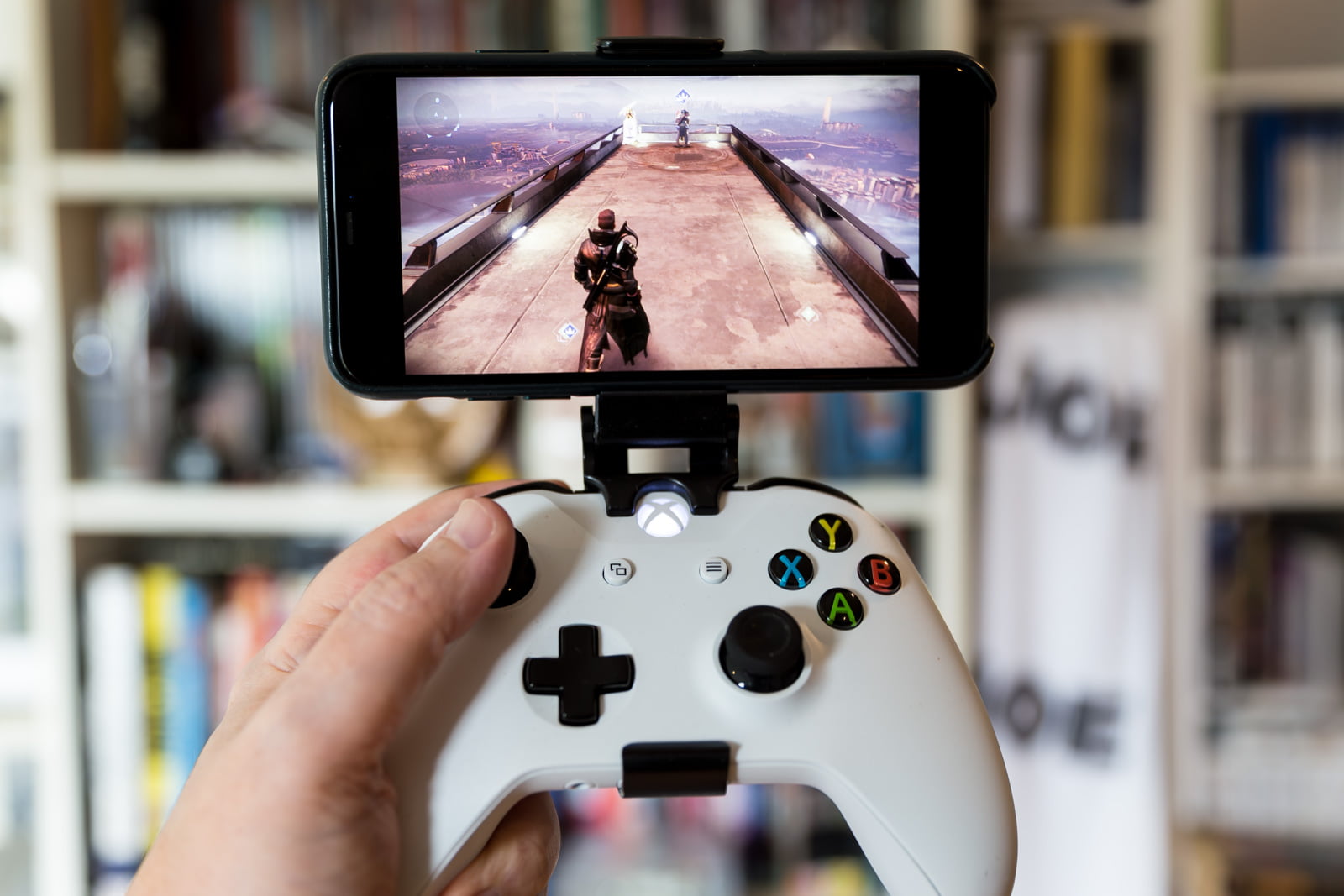
A: Honestly, while you technically *can* use on-screen touch controls for many games, I strongly recommend a physical controller for the best experience. It's not just about comfort; it's about precision, especially for fast-paced genres like FPS or competitive MOBA games. Imagine trying to land a headshot with a virtual joystick—it is tough! Bluetooth controllers like an Xbox or PlayStation controller pair easily. There are also specific mobile controllers that cradle your phone, turning it into a Nintendo Switch-like device. It just elevates the experience immensely. You'll thank me later!
4. Q: What are the common issues I might face when I start cloud gaming on mobile?
A: You're wise to anticipate challenges; it's part of the learning curve! The most common hurdles are latency (input lag), visual quality degradation (pixelation, blurriness), and occasional disconnections. These usually stem from an unstable internet connection, distance to the server, or network congestion. Battery drain is another big one, as streaming video and maintaining a constant connection consumes power. Don't worry, though; we have got plenty of tips coming up to tackle these head-on. A little patience and tweaking go a long way here. Just remember, every expert started as a beginner!
Intermediate / Practical & Production
5. Q: How can I reduce input lag and stuttering to make my gaming smoother?
A: Input lag and stuttering are the ultimate buzzkills, aren't they? The best offensive strategy involves minimizing network interference and optimizing your local settings. Firstly, ensure you are on a 5GHz Wi-Fi network, not 2.4GHz, as 5GHz offers less interference and higher speeds. Reason through this: every millisecond counts when your commands travel to a server and back. Try to play closer to your router. Also, check your cloud gaming app settings; many services allow you to prioritize performance over visual quality, which often means lowering the streaming resolution. Some even have a 'boost' mode for competitive play. Closing background apps on your phone helps free up resources, too. Small tweaks, big impact!
6. Q: Are there specific network settings on my phone or router I should adjust for better performance?
A: Absolutely, network settings are your secret weapon! On your router, enabling Quality of Service (QoS) can prioritize gaming traffic, ensuring your cloud stream gets the bandwidth it needs over other devices browsing Netflix. On your phone, try disabling Wi-Fi Power Saving Mode if it exists, as it can sometimes introduce micro-stutters. Some advanced users even experiment with custom DNS servers like Google DNS or Cloudflare DNS, which can sometimes reduce the time it takes to connect to game servers. It's all about ensuring the cleanest, fastest path for your data. Don't be afraid to poke around a bit; just remember to note your original settings! This is where you really start to feel like a pro.
7. Q: What impact does my distance from the cloud gaming server have on my experience?
A: Your proximity to the server is massive; it's a fundamental physics issue that even 2026 tech cannot entirely erase. The further away you are, the longer it takes for your commands to reach the server and for the game video to return to your screen. This 'round trip time' directly translates to latency. Most cloud gaming services have regional data centers, so always choose the server closest to your physical location. You can often check this in the app's settings or through a network test within the service. It is like being in a virtual race: you want the shortest track possible for your data packets. Keep this in mind when you are traveling, too!
8. Q: Can I use mobile data for cloud gaming, and if so, what are the considerations?
A: Yes, you can totally use mobile data, especially with the widespread adoption of 5G in 2026, but there are significant considerations. First, data consumption is incredibly high; expect to chew through several gigabytes per hour of gaming, so an unlimited data plan is almost mandatory. Second, 5G offers low latency and high speeds, making it viable, but coverage and signal strength are still critical. A weak 5G signal will perform worse than a strong Wi-Fi connection. Always monitor your data usage and consider that public cellular networks can be more congested than your home Wi-Fi. It's a fantastic option for truly gaming on the go, but be mindful of your plan and signal quality.
9. Q: How do I choose the best cloud gaming service for my specific mobile device and game preferences?
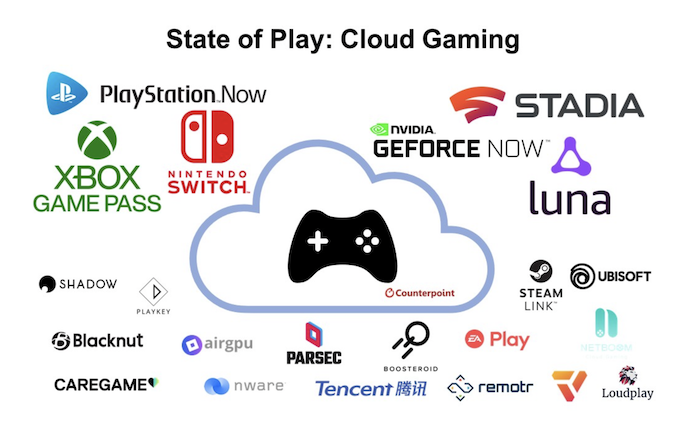
A: This is a great question because 'best' is subjective; it really depends on what you are looking for. Consider these factors: the library of games (does it have the RPG or FPS titles you love?), pricing tiers (free, monthly, yearly), and platform compatibility (iOS, Android). Test out free trials from services like Xbox Game Pass Ultimate, NVIDIA GeForce NOW, and Amazon Luna. Pay attention to how they perform on your device and internet connection. Some services excel with specific publishers. Look up reviews for 2026 for insight. It is about finding the ecosystem that fits your style. Don't be afraid to experiment a little!
10. Q: Are there any external accessories, beyond controllers, that can enhance my mobile cloud gaming?
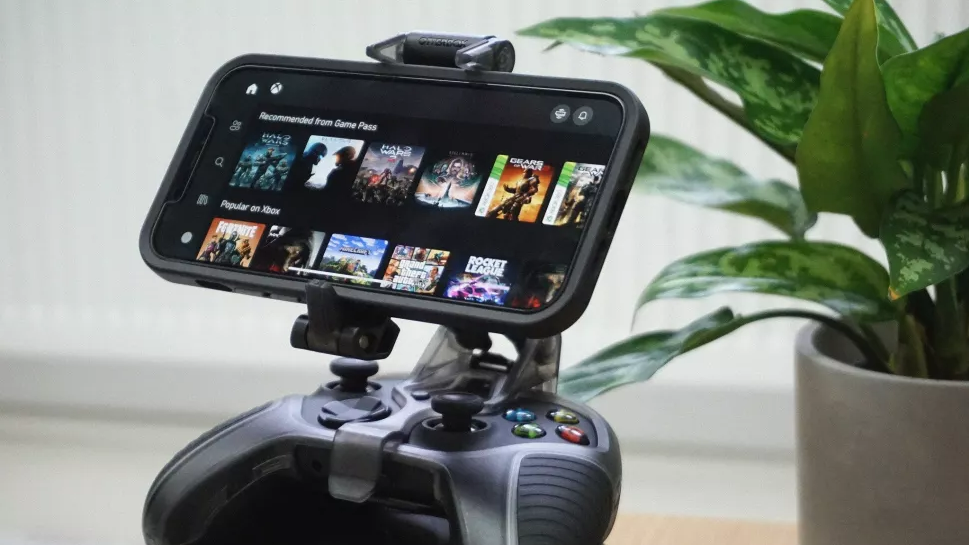
A: Absolutely! Beyond the essential controller, a few accessories can genuinely upgrade your experience. A mobile phone clip to attach your phone to your controller is a game-changer for ergonomics. Portable power banks are crucial for those longer gaming sessions, as cloud gaming can be quite a battery hog. High-quality, low-latency Bluetooth headphones or even wired earbuds will immerse you better and help you hear crucial in-game audio cues without delay. Some even invest in a dedicated mobile cooling fan, especially if their phone tends to run hot during extended play. These little additions can make a huge difference in comfort and immersion. It's all about making your experience as smooth as possible!
Advanced / Research & Frontier 2026
11. Q: What role will edge computing play in further reducing latency for mobile cloud gaming by 2026-2027?
A: Edge computing is a massive frontier for latency reduction, and by 2026-2027, its impact will be even more pronounced. Instead of processing games solely in distant, centralized data centers, edge computing brings computational power much closer to the user, often within local telecom infrastructures or even micro-data centers. This drastically cuts down the physical distance data needs to travel, meaning commands reach the game server faster, and the video stream returns quicker. We're talking single-digit millisecond improvements, which is critical for competitive play. Expect to see more localized server instances for popular games, leveraging this decentralized model. It is a game-changer for responsive FPS and MOBA experiences. The reasoning here is pure physics: reduce distance, reduce lag.
12. Q: How are AI and machine learning being used to optimize streaming quality and bandwidth usage in 2026?
A: AI and ML are absolute superstars in optimizing cloud gaming behind the scenes in 2026. Models like those developed using Llama 4 reasoning are dynamically adjusting video encoding and decoding in real-time. They analyze your network conditions, device capabilities, and even game content to predictively allocate bandwidth. For instance, if a scene has less motion, the AI might temporarily reduce bitrate to save bandwidth without noticeable quality loss. If a fast action sequence occurs, it can instantly ramp up. This smart, adaptive streaming reduces stuttering, avoids pixelation in crucial moments, and makes the most efficient use of your available internet. It is all about intelligent resource management, ensuring a consistently high-quality experience tailored to your specific situation. This is where advanced AI truly shines.
13. Q: What are the security implications of cloud gaming on mobile, and how are providers addressing them in 2026?
A: Security is a top-tier concern, especially with our personal data involved, and providers are taking it very seriously in 2026. Since the game runs on their servers, concerns include account hijacking, data breaches, and potential malware spread. Services are employing advanced encryption for all data transmission, multi-factor authentication (MFA) for account access, and robust intrusion detection systems. Regular security audits and compliance with global data protection regulations are standard. They're also isolating user game instances to prevent cross-contamination. As an AI engineering mentor, I see significant investment in zero-trust architectures and continuous threat monitoring, often powered by advanced ML models detecting anomalies. Your data's safety is a constant, evolving battle they are winning.
14. Q: How will future mobile hardware (e.g., dedicated NPU chips) further enhance cloud gaming?
A: This is an exciting area! Dedicated Neural Processing Units (NPUs) in future mobile hardware, like those found in 2026's top-tier phones, are going to be a big deal for cloud gaming. While the game itself runs on a remote server, your local device still performs crucial tasks: decoding the video stream, processing touch or controller inputs, and potentially running client-side AI upscaling. NPUs can handle these tasks with incredible efficiency and speed, offloading work from the main CPU/GPU. This means smoother video decoding, lower power consumption (better battery life!), and even smarter input processing. Imagine an NPU intelligently predicting your next move to subtly reduce perceived latency. This local AI enhancement will make cloud gaming feel even more native and responsive on your mobile device. You'll definitely feel the difference!
15. Q: Beyond gaming, how might the underlying tech for mobile cloud gaming evolve for other applications by 2026-2027?
A: That's a fantastic forward-looking question! The core technologies powering mobile cloud gaming are incredibly versatile and will definitely evolve into other applications by 2026-2027. Think about cloud-based productivity apps and virtual desktops running high-end software like CAD or video editing suites on basic mobile devices. Remote AR/VR experiences, where complex environments are rendered in the cloud and streamed to lightweight headsets, are also a huge potential. Education could see interactive, high-fidelity simulations delivered directly to students' tablets. Even remote surgery or industrial control, requiring ultra-low latency, could leverage this tech. The ability to stream high-intensity interactive content to any screen, anywhere, is truly transformative beyond just entertainment. We're just scratching the surface of what's possible!
Quick 2026 Human-Friendly Cheat-Sheet for This Topic
- Always prioritize a strong, stable 5GHz Wi-Fi connection. Your internet is the VIP!
- Grab a comfy Bluetooth controller. Trust me, your thumbs (and sanity) will thank you.
- Close all background apps on your phone before you start gaming to free up resources.
- Check your cloud service's app settings for performance vs. quality options; performance first!
- Play closer to your Wi-Fi router for the best signal strength and lowest latency.
- Consider a portable power bank for those epic, on-the-go gaming marathons.
- Experiment with different cloud gaming services to find the one that fits your game library and device best.
Optimal internet speed for cloud gaming, Choosing the right cloud service, Mobile device compatibility, Essential controller accessories, In-app settings optimization, Network settings configuration, Reducing input lag, Maximizing mobile FPS, Troubleshooting stuttering, Understanding server proximity.
35

Mobile Cloud Gaming Learn How To Play Everywhere 2025 Mobile Cloud Gaming . Cloud Gaming Android How To Play On Any Device 2026 Cloud Gaming Android 300x169 . Cloud Gaming IOS How To Play On IPhone IPad 2026 Best Cloud Gaming Services . Cloud Gaming On Mobile Game Development Building For 5G And Edge Cloud Gaming On Mobile Game 875x425 . Xbox Cloud Gaming Offizielle Xbox Remote Play Funktion Zeigt Sich Im Xcg S1.webp



From Concept To Creation Mastering Cloud Game Development How Cloud Gaming Work.webp. Cloud Gaming On Mobile With No Controller These 76 Games Are Actually . 40 Best Cloud Gaming App For Android L Unlimited Time L Free Cloud . How To Stream Xbox Games On IPhone Or IPad With Xbox Cloud Gaming Xbox Cloud Gaming IOS 1 . Cloud Gaming Is Changing The Android Games SDLC Corp How Cloud Gaming Is Changing The Android Game Experience 1




The Future Of Gaming Is In The Cloud What Is Cloud Gaming . How Does Cloud Gaming Work On Switch At Clara Moran Blog Mobile Cloud Gaming Intro 1 . Best Cloud Gaming Apps For Android And IOS In 2023 Free Paid Best Cloud Gaming Apps01 . Can You Use Xbox Cloud Gaming As Your ONLY Platform Does It WORK . Cloud Gaming Explained The End Of Consoles TOOLYATRI COM Cloud Gaming 1.webp

:max_bytes(150000):strip_icc()/A4-UseCloudGamingtoPlayXboxGamesonYourAndroidPhone-annotated-82ff2b2b2c1540d8a57e89eb0e438c4f.jpg)
I Tried All New Cloud Gaming Apps In 2024 Gta 5 Unlimited . Mobile Cloud Gaming Learn How To Play Everywhere 2025 Mobile Cloud Gaming Games 1024x576 . Cloud Gaming IOS A New Era For Mobile Gamer Cloud Gaming IOs.webp. How To Play Games On Cloud H Ng D N Ch I Game M M Y Y Chi Ti T A4 Annotated . Cloud Gaming The Future Of Play Is Here Now What Is Cloud Gaming 10

Mobile Cloud Gaming To Push Video Games Market To Over 200B By 2023 XL . Xbox Cloud Gaming Z Prze Omowymi Zmianami Microsoft Zaskoczy Graczy . Cloud Gaming Play Anywhere Anytime Xbox Cloud Gaming New Games 4k Streaming Report 2 . Best Cloud Gaming Services Xbox Game Pass GeForce Now And More The Iotworlds Best Cloud Gaming . Xbox Cloud Gaming With Game Pass Up 45 Now Available In Nearly 30 Family Black 16x9 CloudGaming 1024x576


How To Play PC Games In Any Mobile Phone With Help Of Cloud Gaming 2022 0 . Xbox Cloud Gaming Comes To Millions Of Players In Brazil Via LG TVs And . Xbox Cloud Gaming Beta Coming To Select Vehicles In Partnership With Cloud . Cloud Gaming Reaches 1 5 Billion In 2021 Expected To Grow 4x By 2024 312186 3 Devices Glow 50409a Original 1557764221 1920x1080 . Enjoy Xbox Cloud Gaming On Windows PCs Running ARM64 With Updated Xbox App Cloud Gaming ARM Update JPG

Xbox Cloud Gaming Gratuito Microsoft Testa Servi O Com An Ncios Xbox Cloud Gaming Coming To Another Platform Amazon Fire Game Rant . What Is Cloud Gaming Xbox Cloud Gaming Popular Options . How To Play Xbox Cloud Gaming With Keyboard And Mouse Stealthy Gaming Fix Xbox Cloud Gaming Steam Deck Controller Not Working 1024x576 . Xbox Cloud Gaming Explained Games List Price And How To Get It Xbox Cloud Gaming 1 . Cloud Gaming On IPhone And IPad Cloud Dosage Cloud Ios.webp