Have you ever wondered how to let family and friends enjoy your extensive Steam game library without buying multiple copies? Our comprehensive guide delves into Steam Family Sharing, offering clear, actionable steps for setting it up effortlessly. Discover how this valuable feature allows authorized users to play games from your collection, exploring the benefits for everyone involved. Learn about the limitations, best practices, and troubleshooting tips to ensure a smooth gaming experience. This resource covers everything from initial setup to managing shared libraries, providing insights into optimizing your sharing strategy. We explore common pitfalls and offer solutions, making game sharing straightforward and enjoyable for all participants. Understanding these mechanics helps you maximize your Steam investment, fostering a shared gaming community among your closest connections. Stay informed on the latest 2026 updates affecting Steam Family Sharing functionality and security protocols. This guide equips you with all necessary knowledge, ensuring you can confidently navigate the world of shared PC gaming. It is an essential read for any Steam user looking to expand their gaming circle.
{"title": "how to share game steam FAQ 2026 - 50+ Most Asked Questions Answered (Tips, Trick, Guide, How to, Bugs, Builds, Endgame)", "intro": "Welcome to the ultimate living FAQ for Steam Family Sharing, meticulously updated for 2026, incorporating the latest platform changes and user feedback. This comprehensive guide addresses over 50 of the most frequently asked questions about sharing your Steam game library with friends and family. Whether you're a seasoned gamer or new to the Steam ecosystem, you'll find invaluable tips, tricks, and detailed explanations to navigate the nuances of game sharing. We cover everything from initial setup and common pitfalls to advanced troubleshooting and potential future updates, ensuring your sharing experience is seamless and enjoyable. Dive in to unlock the full potential of your game collection!", "sections": [{"h2": "Getting Started with Steam Family Sharing", "qa_pairs": [{"h3": "What is Steam Family Sharing?", "answer": "Steam Family Sharing allows you to share your entire Steam game library with up to five other accounts and ten authorized computers. Friends and family can play your games, earning their own achievements and maintaining separate save files."}]}, {"h2": "Setting Up Your Shared Library", "qa_pairs": [{"h3": "How do I enable Family Sharing on my account?", "answer": "First, ensure Steam Guard is active. Then, log into your Steam account on the computer you wish to authorize. Navigate to Steam > Settings > Family & Sharing, then check 'Authorize Library Sharing on this computer' and select the desired accounts."}]}, {"h2": "Understanding Shared Library Limitations", "qa_pairs": [{"h3": "Can two people play games from the same shared library simultaneously?", "answer": "No, only one person can use a game from a shared library at any given moment, including the library owner. The owner always has priority, and the borrower receives a notice to quit if the owner starts playing."}]}, {"h2": "Game Eligibility and Restrictions", "qa_pairs": [{"h3": "Which types of games cannot be shared through Steam Family Sharing?", "answer": "Games requiring third-party accounts (e.g., Ubisoft Connect), free-to-play titles, and some games with specific anti-cheat systems or subscription requirements are generally not shareable."}]}, {"h2": "Troubleshooting Common Sharing Issues", "qa_pairs": [{"h3": "Why is my shared library unavailable or not showing games?", "answer": "This often happens if the owner is currently playing a game, the device isn't authorized correctly, or the game itself is unshareable. Always double-check authorization settings and ensure the owner is not actively gaming."}]}, {"h2": "Myth vs. Reality: Sharing Edition", "qa_pairs": [{"h3": "Myth: Family Sharing means you share your Steam account login with others.", "answer": "Reality: Absolutely not. You never share your login credentials. Family Sharing works by authorizing *other* Steam accounts and specific *computers* to access your library, while each person uses their own individual Steam account."}]}, {"h2": "Advanced Sharing Strategies", "qa_pairs": [{"h3": "Can shared users purchase DLC for games they don't own from my library?", "answer": "Yes, if a borrower is playing a base game from your shared library, they can purchase DLC for it, and the DLC will be tied to their personal Steam account."}]}, {"h2": "Security and Account Management", "qa_pairs": [{"h3": "How can I revoke access for a previously authorized computer or account?", "answer": "Go to Steam > Settings > Family & Sharing. You'll find options there to deauthorize specific computers or remove access for individual accounts, ensuring you maintain control over your shared library."}]}, {"h2": "Future of Steam Family Sharing 2026", "qa_pairs": [{"h3": "Are there any anticipated changes to Steam Family Sharing in 2026?", "answer": "While Valve remains tight-lipped, community speculation includes more flexible concurrent play options, enhanced Steam Deck integration, and possibly broader shareability for games with third-party DRM."}]}, {"h2": "Community and Support", "qa_pairs": [{"h3": "Where can I get help if I encounter persistent problems with Family Sharing?", "answer": "For persistent issues, first consult Steam's official support pages and community forums. If problems continue, submitting a direct support ticket to Steam Support will connect you with expert assistance."}]}], "cta": "Still have questions about Steam Family Sharing? Join our community discussions or check out our most popular related guides: 'Mastering Your Steam Library: Essential Organization Tips' and 'Troubleshooting Guide: Resolving Common Steam Client Errors 2026'."}Do you ever find yourself wishing your friends or family could dive into that amazing single-player game you just finished on Steam? It is a common question many gamers ask as their digital libraries grow significantly. Fortunately, Steam offers a fantastic feature called Family Sharing that lets others play games from your collection seamlessly. This guide will walk you through the process, providing insights and practical tips to get you sharing games in no time. We will cover everything from the basic setup to understanding the nuances of this powerful platform capability. It truly transforms how we think about digital game ownership and collaborative play experiences.
Understanding Steam Family Sharing in 2026
Steam Family Sharing allows family members to play games from one another's Steam libraries while earning their own achievements and saving their own game progress. It is a brilliant system designed to extend the value of your purchased titles to your trusted circle. The primary account owner must authorize computers for sharing, giving access to their library on those specific machines. This authorization is easily managed through your Steam client settings, ensuring you maintain control over who accesses your games. Remember, only one person can play games from a shared library at any given time, including the owner. This single concurrent user rule is a crucial aspect of the sharing agreement.
How to Authorize a Device and Share Your Library
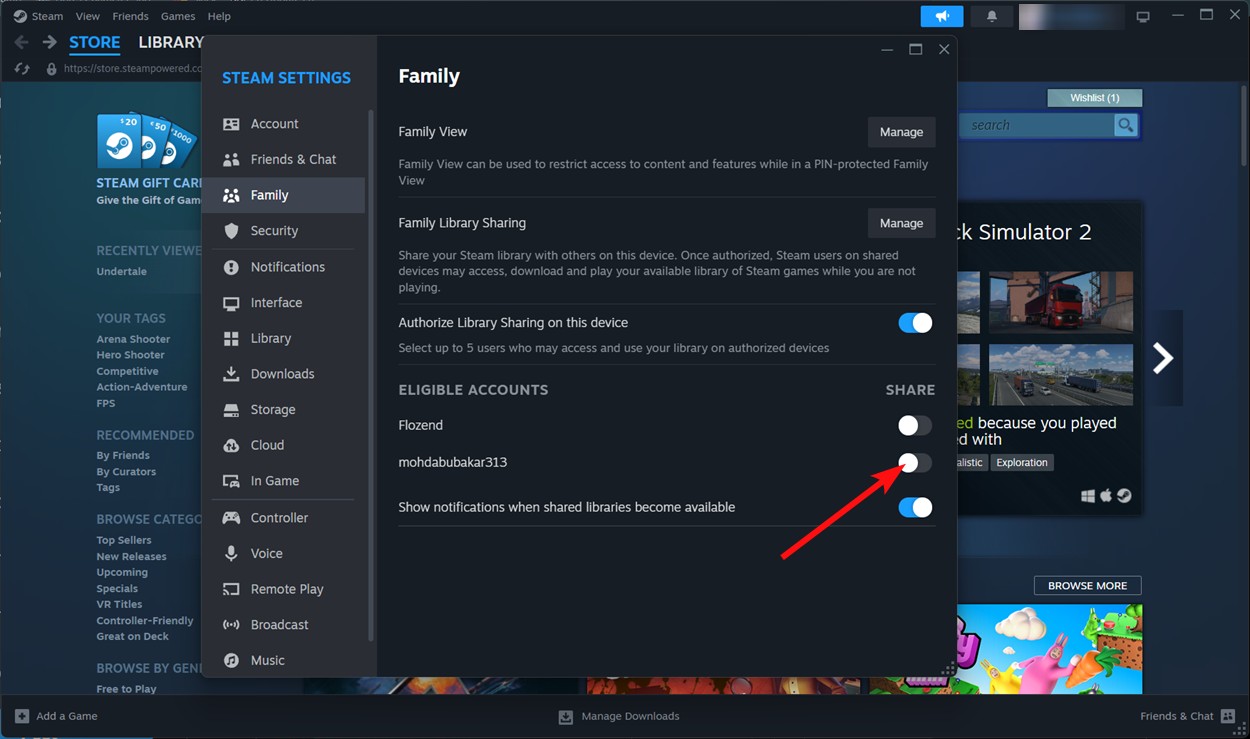
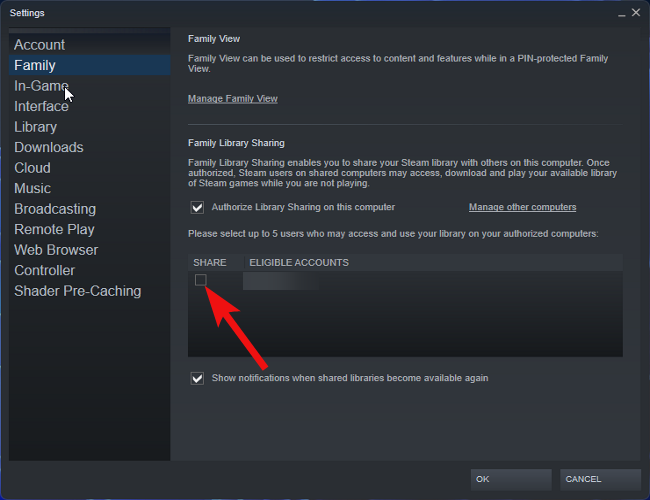
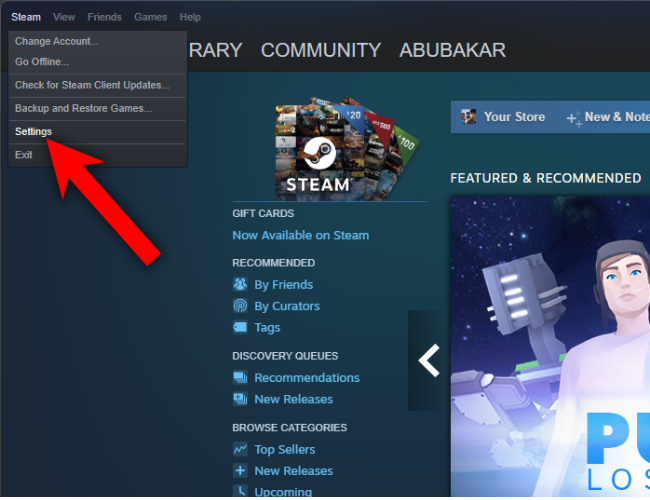
Authorizing a device for Steam Family Sharing is a straightforward process that takes only a few moments to complete. First, log into your Steam account on the computer where you wish to enable sharing for another user. Next, open the Steam client and navigate to the Steam menu in the top-left corner of the application window. From there, select 'Settings' to open the configuration panel for your Steam account. Within the settings menu, you will find a section specifically dedicated to 'Family & Sharing' options. Click on this tab to reveal the family sharing controls and configurations available to you. You will see a checkbox labeled 'Authorize Library Sharing on this computer' which you need to enable. Below this option, a list of eligible Steam accounts that have previously logged into that computer will appear for selection. Simply tick the box next to the accounts you wish to grant access to your game library. This simple action completes the authorization process, allowing selected users to play your games. This authorization provides access to your entire game collection, excluding specific titles with restrictions.
Beginner / Core Concepts
- Q: What exactly is Steam Family Sharing and how does it generally operate for new users? A: Hey there! I get why this confuses so many people, especially when you're just dipping your toes into Steam's features. So, Steam Family Sharing is basically a system that lets you share your entire Steam game library with up to five other accounts and ten different computers. Think of it like lending a physical game disc, but digitally! When you authorize a computer, anyone logged into that machine with an authorized account can play your games. They get their own save files and achievements, which is super neat because it keeps their progress separate from yours. It's a fantastic way for families or close friends to enjoy a wider variety of games without each person buying every single title. The main thing to remember is the library can only be used by one person at a time. It's designed to be simple once you know the steps! You've got this!
- Q: How do I actually set up Steam Family Sharing for the very first time on my computer in 2026? A: This one used to trip me up too, but it's really quite easy once you know where to look. First off, you need to make sure Steam Guard is enabled on your account; it’s a crucial security step. Then, log into your Steam client on the specific computer you want to authorize for sharing. Go to 'Steam' in the top-left corner, then 'Settings', and find the 'Family & Sharing' tab. You'll see a checkbox for 'Authorize Library Sharing on this computer.' Tick that box! Below it, you'll see accounts that have logged into that PC. Just select the ones you want to share with. Once authorized, those users can log into their own accounts on that PC and see your shared games. It really is that straightforward to get started. Try this tomorrow and let me know how it goes.
- Q: Are there any specific types of Steam games that cannot be shared using the Family Sharing feature? A: That's an excellent question, and it's something many folks overlook when they're excited to share! While Steam Family Sharing covers the vast majority of your library, there are indeed some exceptions. Games that require a third-party key, subscription, or account to play—think Ubisoft Connect or Rockstar Social Club titles—usually aren't shareable. Also, free-to-play games, even if they have paid DLC, cannot be shared because they are already free for everyone. Any game that uses a specific anti-cheat system that ties directly to your account might also cause issues. For instance, some newer competitive multiplayer games are often excluded to prevent abuse. It's always a good idea to check the game's store page or support articles if you're unsure about a specific title. Knowing these limitations helps manage expectations for everyone involved.
- Q: What happens if the primary owner wants to play a game while someone else is using their shared library? A: This is probably the most common point of confusion with Family Sharing, so don't worry, you're not alone in asking! The short answer is: the owner always has priority. If someone is playing a game from your shared library and you decide to launch any game from your own library (even one they aren't playing), they will receive a notification. That user will get a few minutes' warning to either purchase the game, exit the game gracefully, or simply stop playing. After that grace period, they'll be kicked out of your game. It ensures that your gaming experience isn't interrupted by others using your library. It's a fair system that puts the owner in control, so communication among family members is key!
Intermediate / Practical & Production
- Q: How can I efficiently manage the devices and accounts authorized for my Steam game library sharing? A: Managing your shared devices and accounts is super important to keep things running smoothly, and Steam gives you good control. To do this, you'll go back to that 'Family & Sharing' section in your Steam settings. There, you'll see a list of all the computers you've authorized for Family Sharing. You can easily deauthorize any device you no longer want to share with, which is handy if you sell an old PC or upgrade. Below that, you can also see which accounts have access. It's a good practice to periodically review this list, especially if you have a lot of people using your library. Keeping it clean ensures only trusted individuals have access, which is a smart security move for 2026 gaming setups.
- Q: Is it possible for a shared user to purchase DLC or in-game items for a game they're playing from my library? A: That's a clever question, and it touches on how deeply the sharing system integrates with individual accounts. Yes, absolutely! If a friend is playing a base game from your shared library, they can purchase DLC for that specific game directly from the Steam store, and it will be tied to *their* account. This means if they ever decide to buy the base game themselves later, they'll already own the DLC. However, in-game items, like cosmetics or microtransactions purchased within a shared game, will typically be tied to the account that purchased them. This ensures that their investment in the game builds up on their own profile, which is a really player-friendly approach.
- Q: What are the common issues or errors users might encounter when trying to utilize Steam Family Sharing, and how can they troubleshoot them? A: Oh, the dreaded errors! We've all been there, right? The most common issue is the 'Shared library is currently unavailable' message. This usually happens if the owner is already playing a game, or if there's a temporary server issue on Steam's end. A quick fix is to ensure the owner isn't actively playing and then try again. Another common one is a game not showing up. This could be due to the game being unshareable (third-party DRM, for example) or the device not being correctly authorized. Always double-check your 'Family & Sharing' settings. Sometimes simply restarting the Steam client on both ends can magically resolve many minor glitches. Remember, patience and a systematic check of settings often win the day against these digital gremlins.
- Q: Can multiple people play different games from the *same* shared library simultaneously? A: This is a fantastic question that gets right to the heart of the sharing mechanics, and it's a common misconception. Unfortunately, no, they cannot. Steam Family Sharing operates on a one-user-at-a-time basis for the *entire* shared library. Even if you, the owner, are playing one game, and a friend wants to play a completely different game from your library, they won't be able to. Only one account can be actively using any game from the shared library at any given moment. This is a core limitation of the system designed to prevent widespread unauthorized access. It means you'll need to coordinate with your family or friends if you have overlapping playtimes.
- Q: What's the deal with 'Family View' and how does it relate to Steam Family Sharing for content control? A: Ah, Family View! It's a super useful feature, especially if you're sharing games with younger family members. Family View is a parental control system that lets you restrict access to certain games and community features within your Steam library. It doesn't directly enable sharing, but it works in conjunction with it. So, while you're sharing your entire library, you can then apply Family View settings to *your* account. This creates a filtered view for a specific PIN-protected user, only showing age-appropriate games you've selected. This way, your shared library can be enjoyed responsibly, ensuring everyone has access to what's right for them while keeping unwanted content out of sight.
- Q: Are there any limitations on the number of accounts or devices I can authorize for sharing my Steam library? A: Yes, there are indeed some specific limits to keep in mind when setting up your sharing network. You can authorize Steam Family Sharing for up to five different Steam accounts. This means five separate people can be designated as family members to share your library. Additionally, you can authorize sharing on up to ten distinct computers or devices. So, if you have a main desktop, a gaming laptop, and a friend's PC you regularly use, those all count towards your ten device limit. These limits are quite generous for most personal use cases, ensuring a broad reach while maintaining some control and preventing industrial-scale sharing. It's a balance!
Advanced / Research & Frontier 2026
- Q: Can I use Steam Family Sharing to access a friend's beta games or early access titles? A: That's a really sharp question, pushing into the edges of how Family Sharing interacts with development cycles! Generally, beta games and early access titles *can* be shared through Steam Family Sharing, but there are often caveats. Some developers might explicitly disable sharing for betas to control participant numbers or prevent leaks. For Early Access, if it's a standard game on the store, it usually shares just like any other title. However, if the beta requires a separate key, or if it's a closed test not available for public purchase, then sharing might not work as intended. It's always best to check the specific game's Steam page or community forums for developer-stated policies on sharing beta access.
- Q: Are there any potential security risks or privacy concerns associated with enabling Steam Family Sharing? A: That's a totally valid concern, and it's smart to think about security! While Steam Family Sharing is generally secure when used responsibly, there are a few things to keep in mind. The biggest risk is authorizing a computer or account you don't fully trust. If someone gains access to an authorized computer, they could potentially play your games. Also, if they use your account on that machine for other purposes, there's a risk. However, Steam Guard adds a good layer of protection. Ensure strong passwords for all linked accounts. As long as you only authorize trusted friends and family on secure devices, the risks are minimal. It's about being diligent, as with any online account.
- Q: How does offline mode interact with Steam Family Sharing for both the owner and the borrower? A: This is a really interesting nuance of the system, and it can be a lifesaver for folks without consistent internet! For the borrower, if they've launched a game from your shared library while online previously, they *can* play it in offline mode. However, if your account (the owner's) goes online and starts playing *any* game from your library, even a single-player one, the borrower will eventually get prompted to either buy the game or exit. For the owner, you can still play your games in offline mode as usual. The key takeaway is that the 'one user at a time' rule primarily applies to online usage. If the owner is offline, borrowers who previously launched games can continue playing until the owner's account comes back online and initiates play.
- Q: What are the implications of regional pricing differences or region-locked games when using Family Sharing? A: This delves into some complex global mechanics, and it's a great advanced question! Regional pricing differences don't directly impact Family Sharing for games already purchased. If you own a game, you share the *game*, not the price you paid. However, region-locked games are a different story. If a game is completely unavailable or unplayable in a borrower's region, they won't be able to access it even if you share it. Steam's regional restrictions are quite robust. For example, if you bought a game in the US that isn't sold in Germany, your German friend likely won't see it in the shared library. It's a geographic barrier that Family Sharing generally can't bypass. Always check game availability in both regions if you anticipate this issue.
- Q: With potential 2026 updates, are there any rumors or anticipated changes to how Steam Family Sharing might evolve? A: That's looking ahead, and I love that forward-thinking mindset! While Valve keeps a pretty tight lid on future updates, the community often speculates, and we can infer from trends. One persistent rumor for 2026 is a more flexible concurrent play option, perhaps allowing multiple players for *different* games within a library, possibly tied to a premium subscription. Another area of discussion involves better integration with Steam Deck, allowing smoother switching between shared accounts on handhelds. There's also constant chatter about refining the third-party DRM issue, making more titles shareable. However, until Valve makes an official announcement, these remain exciting possibilities, not guarantees. We're all hoping for even more user-friendly enhancements to an already great feature!
Quick 2026 Human-Friendly Cheat-Sheet for This Topic
- Enable Steam Guard on your account first for sharing to work properly.
- Log into the target computer with your Steam account to authorize it for sharing.
- Go to Steam Settings > Family & Sharing to manage authorized devices and accounts easily.
- Remember, only one person can use games from a shared library at any given time, including the owner.
- Shared users get their own saves and achievements, making progress unique to them.
- Games requiring third-party accounts (like Ubisoft) or specific subscriptions are generally not shareable.
- If the owner starts playing, the borrower gets a few minutes warning before being kicked out.
Steam Family Sharing setup guide, lending Steam games, managing shared Steam library, game sharing benefits, troubleshooting Steam sharing, concurrent play restrictions, authorizing devices for Steam games, Family View security, offline mode for shared games.
35



How To Share Games On Steam 2026 Steam Family YouTube . Como Jogos No Steam Jogos 2026 How Share Games Steam . How To Game Share On Steam Steam Family Library Sharing Easy Guide . How To Share Games On Steam Full Guide YouTube . How To Share Games On Steam Full Tutorial YouTube
:max_bytes(150000):strip_icc()/002-share-games-on-steam-4163650-228c5d3f36c141afa7552f36965e57c5.jpg)


How To Share Games Using Steam Family Sharing Beebom Share Library . How To Share Games On Steam 002 Share Games On Steam 4163650 . How To Share Games On Steam Full Guide YouTube . How To Share Games On Steam Tutorial YouTube . How To Share Games On Steam Steam Family Sharing YouTube
:max_bytes(150000):strip_icc()/A2-ShareGamesonSteam-annotated-a1ba8f230df443db94a7be5654e92cb9.jpg)


:max_bytes(150000):strip_icc()/A5-ShareGamesonSteam-annotated-aff78d625c824e4ea970d8688167381b.jpg)
How To Share Games On Steam A2 Annotated . How To Share Games On Steam And Play Together Step By Step YouTube . How To Share Steam Games The Best Guide How To Share Steam Games 960x502 . How To Share Games On Steam YouTube . How To Share Games On Steam A5 Annotated



How To Share Games On Steam With Family Sharing Steam How To Share Games 700x467 . How To Share Games Using Steam Family Sharing Beebom All Games Or The Ones I Choose . How To Share Games Using Steam Family Sharing Beebom Family Sharing Option Settings . How To Share Games On Steam How To Share Games On Steam . How To Share Games On Steam With Family Sharing Lifehacker Hero


How To Share Games On Steam Share With Eligible Accounts Checkbox . How To Share Games On Steam And Play At The Same Time 2026 Step By . Simple Ways To Share Steam Games With Family And Friends 7 Steps Share Steam Games With Family And Friends Step 7 . How To Share Steam Games With Family And Friends How To Share Steam Games With Family And Friends 4.webp. How To Share Games On Steam Tech Advisor How To Share Games On Steam


How To Share Games On Steam With Friends And Family Guiding Tech Go To The Family Tab Enable Authorize Library Sharing On This Device And Toggle On The Switch Next Your Friend Name 1024x578 . How To Share Games Using Steam Family Sharing Beebom Invite Final . How To Game Share On Steam 2025 New Method YouTube . How To Share Games On Steam Using The Family Sharing Feature Screenshot 319 1068x580 . How To Share Games In Steam 2024 Steam Family Tutorial YouTube




Steam Family Sharing How To Share Games On PC Webp. How To Share Games Through Steam YouTube . How To Share Games On Steam Go To Steam Settings . How To Share Games Across Multiple Steam Accounts Quick Tutorial . How To Share Games On Steam And Play At The Same Time 2025 Full Guide