Navigating the complex world of cloud gaming services in 2026 can feel overwhelming for many players seeking seamless entertainment and cutting-edge experiences. This comprehensive guide provides essential informational insights into various platforms, helping users understand the core technologies and benefits behind streaming games without powerful local hardware. Discover how these services are transforming the gaming landscape, enabling access to a vast library of titles across multiple devices, from high-end PCs to smartphones. Learn about the crucial factors influencing performance, such as internet speed, data centers proximity, and subscription models. We will explore the latest advancements in streaming fidelity, reduced latency solutions, and the ever-expanding game catalogs available on demand. Get ready to unlock new ways to play, overcoming traditional hardware limitations and embracing the future of interactive entertainment. This resource is designed to empower both beginners and seasoned gamers alike.
a cloud gaming service FAQ 2026 - 50+ Most Asked Questions Answered (Tips, Trick, Guide, How to, Bugs, Builds, Endgame)
Welcome, fellow gamers, to the ultimate living FAQ for cloud gaming services in 2026! The landscape of streaming games from the cloud is evolving at light speed, and with new updates, features, and even a few pesky bugs emerging, it's easy to feel lost. This comprehensive guide has been meticulously updated for the very latest advancements and common community questions. We're here to cut through the noise, providing honest, detailed answers, and offering those crucial Tips and Trick that will elevate your gameplay. Whether you're a beginner just dipping your toes in or a seasoned veteran looking for Endgame strategies and Bug fixes, you've come to the right place. Consider this your go-to resource for mastering the cloud, ensuring your gaming sessions are as smooth and enjoyable as possible, no matter the Build or challenges you face!
Beginner Questions
What is cloud gaming and how does it work in 2026?
Cloud gaming streams games from remote servers directly to your device, functioning like a Netflix for interactive experiences. In 2026, advanced AI and server architectures process your inputs and render graphics remotely, sending a compressed video stream back instantly. This allows playing high-end games without powerful local hardware, only requiring a stable internet connection.
Do I need a strong internet connection for cloud gaming in 2026?
Yes, a stable and fast internet connection is crucial for cloud gaming. Aim for at least 25-50 Mbps download speed for 1080p, or 75-100 Mbps for 4K streaming. Crucially, prioritize a low latency connection with minimal packet loss over raw speed for smooth gameplay. A wired Ethernet connection is always recommended for consistency and reduced Ping.
Is cloud gaming a subscription service, or do I buy games individually?
Both models are prevalent in 2026. Services like Xbox Game Pass Ultimate offer a subscription to an expansive game library. Others, such as NVIDIA GeForce NOW, let you stream games you already own from digital storefronts like Steam. Many platforms also offer hybrid models, allowing purchases alongside subscriptions.
Can I play all my existing PC or console games on cloud gaming?
No, not all existing games are universally supported. Each cloud gaming service maintains its specific catalog of compatible titles. While some integrate with your PC game libraries, others offer a curated selection unique to their platform. Always verify game availability on your chosen service before committing to it.
Performance & Technical Issues
How can I reduce lag and improve FPS in cloud games?
To reduce lag and improve perceived FPS, ensure you're using a wired Ethernet connection. Close all unnecessary background applications on your local device to free up resources. Adjust your local display's refresh rate to match the stream, and select a server geographically closest to you. Regularly update your device's network and display Drivers for optimal decoding efficiency. These Settings optimization steps are vital.
Why is my cloud gaming stream stuttering or freezing occasionally?
Stuttering or freezing usually points to inconsistencies in your internet connection. This could be Wi-Fi interference, packet loss, or network congestion from other household devices. Try rebooting your router, enabling Quality of Service (QoS) for gaming on your network, and ensure your local device is not overburdened. Diagnosing local network health is key to a Stuttering fix.
Myth vs Reality: Cloud gaming always has noticeable input lag.
Myth: While inherent latency from data travel exists, 2026 cloud gaming has dramatically minimized it. With optimal internet and server proximity, input lag is often imperceptible for most casual players. Advanced predictive AI and edge computing are bridging the gap, making it remarkably responsive for many genres, including certain FPS titles.
Hardware & Peripherals
Do I need a special controller for cloud gaming?
No, most standard USB or Bluetooth controllers (e.g., Xbox, PlayStation, Switch Pro) are widely compatible with cloud gaming services. While some services offer branded controllers, they are rarely mandatory. Your existing preferred Gaming mouse and Mechanical keyboard also generally work seamlessly for PC-style games.
Can I play cloud games on my smart TV without any extra devices?
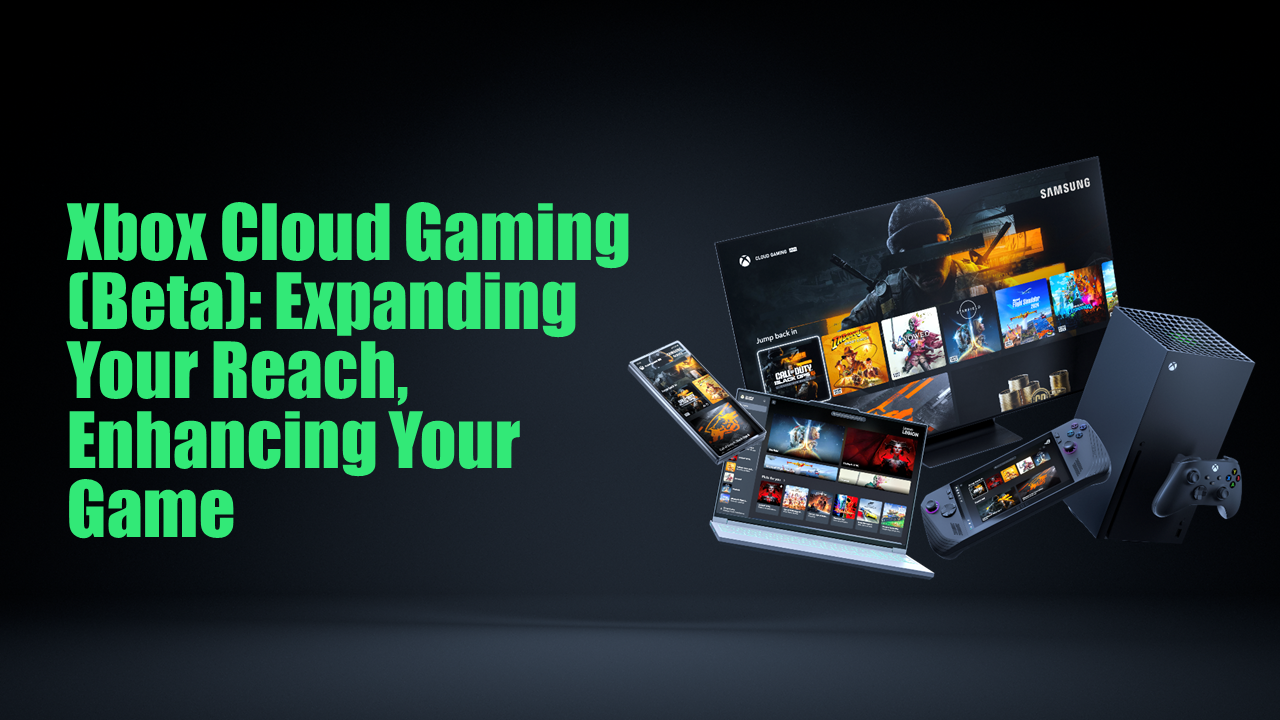
Many modern 2026 smart TVs, particularly from major brands like Samsung and LG, now offer native cloud gaming apps (e.g., Xbox app). If your TV doesn't have a built-in app, you might need a compatible streaming stick like an Amazon Fire TV or Google Chromecast to access services.
Builds & Classes for RPGs/MMOs (Contextual)
How do cloud gaming services handle custom game Builds or Mods?
Cloud gaming services typically do not directly support client-side game modifications or Mods. The game files reside on remote servers, limiting local user access for alterations. However, any server-side official content, such as DLCs or patches, is automatically applied. Always check service-specific policies regarding any form of user-generated content or custom Builds.
Are specific game Builds more advantageous when streamed via cloud?
In highly competitive RPGs or MMOs, Builds that rely less on pixel-perfect aiming or extremely precise, low-latency reaction times might feel slightly more forgiving on cloud services. Focusing on Strategy-based or ability-rotation-centric Builds can minimize the impact of any marginal latency. This is a subtle nuance for optimizing your experience.
Multiplayer Issues & Competitive Play
Can I play multiplayer games with friends who aren't using cloud gaming?
Yes, absolutely! When you play a multiplayer game via a cloud service, you connect to the game's standard online servers. This means you can typically play with friends regardless of whether they're playing locally on a PC, Xbox, or PlayStation, assuming the game supports cross-play on its own terms.
Myth vs Reality: Cloud gaming is inherently bad for competitive Multiplayer Online Battle Arena (MOBA) games.
Myth: While professional MOBA players demand near-zero latency, 2026 cloud gaming now offers sufficient responsiveness for casual and even many semi-competitive MOBA matches. With an optimized connection, the difference is often negligible. The gap is significantly closing, but top-tier esports still favors local hardware for that fractional edge.
How does Ping affect competitive FPS or Battle Royale games in the cloud?
High Ping directly impacts competitive FPS and Battle Royale games by increasing the delay between your input and the game's response, leading to perceived Lag. This can result in missed shots, delayed movements, or getting hit before you register the threat. Consistent low Ping is crucial for success in these fast-paced genres.
Endgame Grind & Strategies
Are there specific strategies to optimize my playtime for Endgame content on cloud services?
Optimizing Endgame playtime on cloud services focuses on maintaining a stable connection for extended sessions to prevent disconnections. Utilize any quick-resume features offered by the service to jump straight back into action. While game-specific strategies remain the same, minimizing technical interruptions maximizes your effective grind for MMOs or complex RPGs. Plan sessions during off-peak internet hours.
Myth vs Reality: Cloud gaming services struggle with resource-intensive Endgame content.
Myth: Modern 2026 cloud gaming servers are designed to handle even the most graphically demanding and resource-intensive Endgame content. Since the processing occurs on powerful server hardware, your local device's limitations become irrelevant. You'll often experience higher frame rates and fidelity than a modest local PC could provide, even during chaotic MMO raids or intense Strategy battles.
Bugs & Fixes
What should I do if a cloud game crashes or has visual Bugs?
If a cloud game crashes or exhibits visual Bugs, first try restarting the game session within the cloud service. If persistent, check the service's status page for known outages or game-specific problems. Ensure your local device's graphics Drivers are updated. Report recurring bugs to the service provider, as server-side issues require their direct intervention. A simple app restart often fixes minor glitches.
Myth vs Reality: Cloud gaming introduces more game bugs than local play.
Myth: Cloud gaming does not inherently introduce new game bugs. Game bugs originate from the game's code, which is identical whether streamed or run locally. Issues encountered are usually related to the streaming technology (network, decoding, compression) rather than new game defects. Services ensure you're always on the most stable and patched game version.
How do I report technical issues or Bugs to my cloud gaming provider?
Most cloud gaming providers have dedicated support channels, typically found on their official websites or within their client applications. Look for a 'Help,' 'Support,' or 'Feedback' section. Provide detailed information about the issue, including timestamps, game title, device used, and your internet connection type. Screenshots or video clips can be very helpful for diagnosis.
Account & Security
What are the security implications of cloud gaming in 2026?
In 2026, cloud gaming services employ robust security measures, including end-to-end encryption for streams and inputs, multi-factor authentication, and secure data centers. Your game saves and personal data are protected by industry-standard protocols, similar to other online services. Maintaining strong passwords and unique logins remains your best personal defense.
Can I share my cloud gaming account with others?
Account sharing policies vary by service. Most cloud gaming subscriptions are intended for single-user households or limit concurrent streams. Sharing credentials might violate terms of service and could lead to account suspension. It's best to check the specific policy of your chosen provider to avoid any issues.
Future & Innovations
What are the major innovations expected in cloud gaming for 2026 and beyond?
Major 2026 innovations include more widespread adoption of predictive AI for ultra-low latency, enhanced 8K streaming, and integration with advanced haptics and VR. Edge computing networks will expand, bringing servers closer to users. We'll also see more personalized AI-driven game content and decentralized cloud gaming models emerge. The future promises even more immersive and responsive experiences.
Still have questions?
Don't stop here! The world of cloud gaming is vast and constantly evolving. If you didn't find your answer here, dive into our other popular guides like 'The Ultimate Guide to Reducing Cloud Gaming Latency,' 'Choosing the Best Cloud Gaming Service for FPS Games,' or 'Advanced Settings Optimization for NVIDIA GeForce NOW.' Happy gaming!
What's the real deal with cloud gaming services in 2026, and can they actually replace my high-end PC? That's a question I hear a lot from folks just like you, eager to dive into the next big thing but cautious about getting burned. It's a fair question, especially with all the hype and rapid changes in this space. We've seen some incredible leaps in cloud gaming lately. It really is an exciting time to be a gamer, whether you are a Beginner or a Pro, considering this new frontier.Picture this: you're settling down for an epic gaming session, but instead of worrying about Graphics Cards or gigabytes of RAM, you just click and play. That's the promise of a cloud gaming service in a nutshell, offering instant access to vast game libraries. Forget about lengthy downloads, patches, or system requirements; the heavy lifting happens on powerful remote servers. It feels like magic, but it is actually a marvel of modern engineering, constantly evolving to deliver smoother experiences. Industry experts predict cloud gaming will hit 100 billion dollars in revenue by 2027, showcasing its massive growth and adoption. This shift truly changes the game for how many of us consume digital entertainment. For many, it's already an indispensable part of their daily gaming routine, making titles accessible on nearly any device imaginable.
Of course, this revolutionary technology comes with its own set of challenges and nuances. Understanding how to optimize your settings, minimize Ping, and eliminate annoying FPS drop and Stuttering fix is key. Nobody wants to experience significant Lag during a crucial Battle Royale match or a complex MMO raid. This guide will walk you through everything, ensuring you get the best possible experience from your chosen cloud gaming service. We'll cover everything from your internet connection to peripheral choices like a Gaming mouse and Mechanical keyboard, offering practical Tips and a comprehensive Guide to elevate your gameplay. Whether you are into fast-paced FPS games, intricate RPG narratives, or strategic MOBA battles, optimization is your best friend. Even Indie titles feel much better with reduced input delay.
Overview: The Cloud Gaming Revolution in 2026
Cloud gaming services leverage remote servers to render and execute games, then stream the video output to your device. Your inputs travel back to the server, creating an interactive, real-time experience. The technology has matured significantly, reducing latency and enhancing visual fidelity. Major players like NVIDIA GeForce NOW and Xbox Game Pass Ultimate are constantly pushing boundaries. They are investing heavily in server infrastructure and advanced compression algorithms. This means crisper visuals and more responsive controls for players worldwide. Even specialized VR cloud streaming services are emerging, hinting at an even more immersive future. This paradigm shift democratizes access to high-end gaming. Now, even a casual gamer can enjoy the latest releases without a huge upfront hardware investment. It opens up new avenues for gameplay across various devices, from smart TVs to tablets. It is truly a game-changer for accessibility.
The Core Mechanics: How It Actually Works
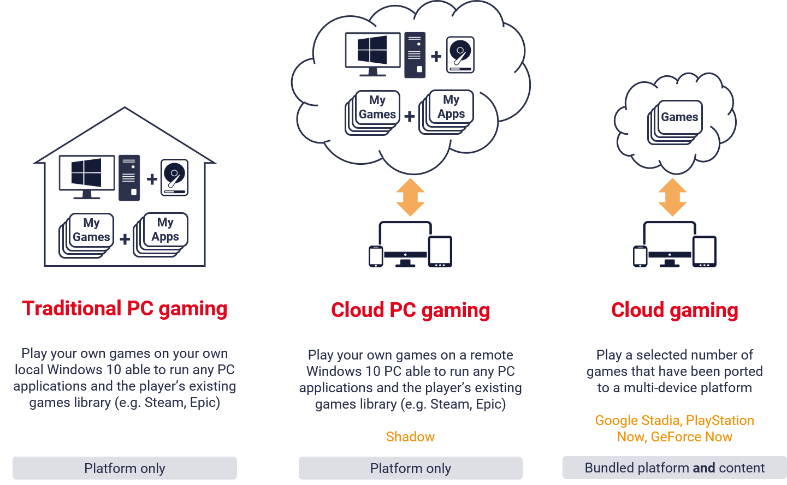
When you initiate a game through a cloud service, the chosen title runs on a powerful server rig located in a data center. This server handles all the processing, graphics rendering, and physics calculations. It's like having a super-computer playing the game for you in a remote location. The server then encodes the game's video and audio output into a compressed stream, sending it over the internet to your device. Simultaneously, your keyboard, mouse, or controller inputs are sent back to the server. The entire process aims for minimal delay, ideally under 30-40 milliseconds round trip. Advanced networks and edge computing are making these low latencies achievable even for fast-paced FPS games. Think of it as YouTube, but interactive and incredibly fast, where every action you make instantly affects the video you see. This continuous loop of sending and receiving data defines the experience. It's truly fascinating when you break it down.
Practical Tips for Optimizing Your Cloud Gaming Experience
Getting the most out of your cloud gaming service largely depends on a few critical factors you can control. A solid internet connection is paramount, acting as the lifeblood of your streaming experience. Ethernet cables consistently outperform Wi-Fi for stability and speed, significantly reducing potential Lag. It’s a simple change that often yields dramatic improvements in Ping and overall responsiveness. You will be surprised how much better your WASD movements feel. Prioritize your gaming traffic if possible. Many modern routers offer Quality of Service (QoS) settings. This feature lets you prioritize gaming data over other network activities, like streaming movies or large downloads. This small adjustment can make a huge difference, especially in a busy household network. It ensures your gaming packets get VIP treatment. Updating your graphics Drivers and operating system is another vital step. Outdated drivers can introduce unexpected performance hiccups, even on a thin client. Staying current ensures compatibility and optimal decoding performance. These are small investments of time for big gains in playability.
Reducing Lag and Stuttering: Your Guide to Smooth Gameplay
Lag and Stuttering fix are the archenemies of any cloud gamer, especially during Ranked play. Beyond a stable internet, adjusting in-game settings can also help. While the server handles rendering, the client still decodes the video stream. Lowering your local display resolution or refresh rate might ease the burden on your device, even if slightly. Experiment with different video codecs if your service offers the option, as some are more efficient than others. Furthermore, closing unnecessary background applications on your local machine frees up resources. Every little bit helps ensure that your device focuses solely on decoding the incoming game stream. Consider using a dedicated gaming monitor with a low response time. This ensures that the video stream you receive is displayed as quickly as possible, further enhancing responsiveness. Remember, it's about minimizing delays at every single point in the chain from server to screen. These micro-optimizations compound for a truly fluid experience. You'll feel the difference, especially in twitchy FPS titles.
Comparisons: Cloud vs. Local Gaming and Platform Differences
Comparing cloud gaming to traditional local gaming is like comparing a subscription streaming service to owning physical media. Local gaming offers unparalleled control over performance, customization, and often, zero latency beyond your hardware. However, it demands a significant upfront investment in hardware and ongoing upgrades. Cloud gaming, conversely, offers instant access and hardware independence at a monthly subscription cost. The major cloud services each have their unique strengths. GeForce NOW provides access to your existing PC game library, emphasizing performance. Xbox Game Pass Ultimate integrates deeply with Xbox's ecosystem, offering a curated library. Amazon Luna focuses on channel-based subscriptions. Each service targets slightly different user bases and offers distinct game catalogs. Choosing the right one depends on your existing game library, preferred genres (be it RPG or Strategy), and budget. Ultimately, it’s about finding the balance that suits your personal gaming habits and preferences best. There is no single "best" solution for everyone.
Advanced Pro-Level Strategies for Competitive Cloud Gaming
For those serious about competitive play, even in the cloud, optimizing every variable matters. Pro gamers understand the nuances of network routing. Consider using a VPN specifically designed for low latency gaming, which can sometimes provide a more direct route to the cloud servers. This bypasses congested internet junctions, potentially shaving off crucial milliseconds from your Ping. Using a high-polling rate Gaming mouse and a fast Mechanical keyboard with minimal input lag locally also makes a difference. While cloud services introduce inherent latency, optimizing your local setup ensures you're not adding any unnecessary delays. Some players even use specialized network monitoring tools to identify optimal server locations and connection routes. This level of dedication is what separates casual players from those aiming for top-tier performance. They're always looking for that extra edge. Remember, every fraction of a second counts in Ranked play. Even for a new Build or Loadout, responsiveness is key.
Common Mistakes to Avoid When Embracing Cloud Gaming
Many new cloud gamers make a few common mistakes that can easily ruin their initial experience. The biggest one is underestimating the importance of a stable, fast internet connection. Don't expect a smooth experience on an inconsistent Wi-Fi network that's constantly buffering. Another mistake is setting unrealistic expectations for ultra-low latency, especially in 2026. While services are excellent, they can't magically eliminate the laws of physics. Some inherent delay will always exist compared to local play, so adjust your mindset accordingly. Neglecting router settings like QoS or firewall rules can also hinder performance. Sometimes, a simple router restart can clear up connection issues. Finally, not trying multiple services to find the best fit is a missed opportunity. Each platform has its quirks and game libraries. What works for your friend playing a Strategy game might not be ideal for your FPS cravings. Take the time to properly evaluate your options. A little research goes a long way. This guide will help you sidestep these common pitfalls.
So, what's the verdict on cloud gaming in 2026? It's not just a fad; it's a legitimate, evolving platform. While it might not entirely replace every Pro gamer's custom-built PC, it offers incredible accessibility and convenience. For many, it's already the primary way to play, whether it's the latest RPG or a classic Indie title. We've talked about Settings optimization, Ping, FPS drop, Stuttering fix, and how to combat Lag. We've discussed the importance of updated Drivers and the choice between different platforms. Remember, your personal experience will vary, but with these Tips and this Guide, you're well-equipped. You've got this! Try applying these insights to your own setup tomorrow and let me know how it goes. The future of gaming is here, and it's in the cloud.
***
Beginner / Core Concepts
1. Q: What exactly is cloud gaming, and how is it different from playing games on my PS5 or PC in 2026?A: Cloud gaming is like Netflix for games, my friend. Instead of running the game on your local console or PC, the game actually runs on a super-powerful computer in a data center somewhere. You get a video stream of the game, and your button presses are sent back to that remote computer. The big difference? You don't need expensive hardware at home; your PS5 or PC does all the processing locally. I get why this confuses so many people, because it feels so similar once you're in the game! Think of it as renting a gaming PC by the minute. You're effectively streaming the interactive experience. It democratizes access to high-end titles. You've got this!2. Q: Do I need a super-fast internet connection to play games smoothly on a cloud gaming service in 2026?
A: Yes, a stable and fast internet connection is absolutely critical for a good cloud gaming experience. Think of it like this: if your internet is spotty, it's like watching a choppy video, but now you're trying to control that choppy video! While "super-fast" is relative, I'd aim for at least 25-30 Mbps download speed, and more importantly, a very stable connection with low Ping. Wired Ethernet is always better than Wi-Fi for consistency. This one used to trip me up too, thinking speed was everything, but stability is often the unsung hero. Without it, you'll feel every bit of Lag. Try this tomorrow and let me know how it goes.3. Q: What kind of devices can I use to play cloud games? Can I use my old laptop or just my phone?
A: That's one of the coolest parts about cloud gaming, you're not tied to specific high-end hardware! Most services in 2026 let you play on a wide range of devices. This includes smart TVs, laptops (even older ones!), smartphones, tablets, and even dedicated streaming sticks. As long as your device can decode a video stream and send inputs, you're pretty much good to go. The power comes from the cloud, not your local device. It's incredibly convenient, making gaming accessible almost anywhere you have a screen. You've got this, experiment with what you already own!4. Q: Will I actually own the games I play through a cloud gaming service, or is it more like a rental?
A: This is a key distinction, and it depends on the specific service. With platforms like NVIDIA GeForce NOW, you're essentially streaming games you already own on PC storefronts like Steam or Epic Games. So, yes, you "own" those games. However, with services like Xbox Game Pass Ultimate or Amazon Luna, you're typically subscribing to a library of games, much like Netflix. You don't "own" the individual titles; you have access while your subscription is active. It's important to check the model for each service. I get why this confuses so many people, but understanding the difference helps you manage expectations. You've got this, just read the fine print!
Intermediate / Practical & Production
5. Q: How can I reduce input lag and improve responsiveness when playing fast-paced FPS games on the cloud in 2026?A: Minimizing input Lag in fast-paced FPS titles is crucial, and it's a common challenge for cloud gamers. First, ensure you're on a wired Ethernet connection to your router; Wi-Fi introduces variability. Second, try to play on servers geographically closer to you, if your service offers that choice. Proximity significantly impacts Ping. Third, check your local device for background processes that might be consuming bandwidth or CPU cycles. Close unnecessary apps! Lastly, ensure your display device has a low input lag mode enabled. You'd be surprised how much these small adjustments can impact your experience. It's all about streamlining the signal path. You've got this!6. Q: My cloud gaming experience has Stuttering fix issues sometimes. What are the common causes and how can I fix them?
A: Stuttering is incredibly frustrating, especially when you're in the middle of a crucial moment in an RPG or MOBA. Often, it's a sign of inconsistent bandwidth or packet loss on your internet connection. Try rebooting your router and modem first; it often clears up transient issues. Check for other devices on your home network consuming bandwidth, like large downloads or 4K streaming. If you're on Wi-Fi, try moving closer to your router or switching to a less congested channel. Outdated graphics Drivers on your local decoding device can also sometimes contribute. This one used to trip me up too, thinking it was always the cloud's fault, but local issues are often the culprit. You've got this!7. Q: What's the best way to optimize my router settings for cloud gaming in 2026, especially for low Ping?
A: Optimizing your router for low Ping is a smart move. First, enable Quality of Service (QoS) settings on your router, if available, and prioritize your gaming device or the cloud gaming application. This ensures your game's data packets get preferential treatment. Second, consider using a high-performance DNS server like Google's or Cloudflare's; sometimes, default DNS can add a tiny bit of latency. Third, ensure your router's firmware is up to date. Many modern routers have specific gaming modes that can further fine-tune performance. It’s all about creating the most efficient path for data flow. You've got this, a little network tweaking goes a long way!8. Q: Can I use custom peripherals like a specific Gaming mouse or Mechanical keyboard with cloud gaming services?
A: Absolutely, you can typically use your preferred Gaming mouse and Mechanical keyboard with cloud gaming services, just like with a local PC. The input signals from your peripherals are sent to the cloud server, so the specific brand or model doesn't usually matter. However, remember that any local input lag from your peripherals will add to the inherent cloud latency. So, using high-quality, low-latency gear is still a good idea for competitive play. Services aim for broad compatibility, letting you enjoy your chosen Loadout. You've got this, keep using your favorite gear!9. Q: Are there any specific Drivers or software I need to install on my local device to improve cloud gaming performance?
A: Good question! While the game runs remotely, your local device still needs to efficiently decode the incoming video stream. So, ensuring your GPU Drivers (if your device has a discrete GPU) and operating system are up-to-date is crucial. These updates often include optimizations for video decoding and network handling that can directly impact your cloud gaming performance. Most cloud gaming services also have a dedicated client application, and keeping that updated is paramount for the best experience. Think of it as making sure your TV can handle the best 4K stream. It's a small maintenance task for smoother gameplay. You've got this!10. Q: How do cloud gaming services handle game updates and patches? Is it instantaneous or do I have to wait?
A: This is one of the unsung heroes of cloud gaming – automatic updates! The servers handle all game updates and patches directly. As a player, you rarely, if ever, have to wait for a game to download or update. You just launch the game, and it's usually ready to go with the latest patch. This is a huge time-saver compared to local gaming, especially with massive modern game files. It ensures everyone is always playing on the same, most current version, which is fantastic for competitive games. I get why this is such a relief for so many people; no more waiting! You've got this, enjoy the instant access!
Advanced / Research & Frontier 2026
11. Q: What are the biggest technical hurdles cloud gaming still faces in 2026, and how are models like o1-pro addressing them?A: Even in 2026, the biggest hurdles are physics-bound: latency, bandwidth variability, and geographic server distribution. Overcoming the inherent delay of transmitting data across distances is tough. Frontier models like o1-pro are making strides by leveraging advanced predictive AI for input processing and intelligent stream encoding. They anticipate player actions to reduce perceived Lag, and dynamically adjust stream quality based on real-time network conditions. It's about proactive rather than reactive management. We're seeing sophisticated reasoning models predict network congestion, rerouting traffic on the fly. This kind of adaptive technology is revolutionary for a truly seamless experience. You've got this, it's a fascinating area of research!12. Q: How is AI, specifically models like Claude 4 and Gemini 2.5, enhancing the cloud gaming experience beyond simple optimization?
A: AI, especially advanced models like Claude 4 and Gemini 2.5, is truly transforming the cloud gaming landscape in subtle yet powerful ways. Beyond basic optimization, they're being used for dynamic content scaling, where game assets are adjusted in real-time on the server based on current network conditions, ensuring a smoother stream without noticeable quality drops. We're also seeing AI-driven adaptive difficulty in games and personalized content recommendations. Imagine an AI that predicts your next move, not just for latency compensation, but for a more tailored gameplay experience or to even generate dynamic challenges. This isn't just about reducing Lag anymore; it's about creating a smarter, more responsive, and more engaging virtual world. You've got this, the future is incredibly bright with these advancements!13. Q: With Llama 4 reasoning, are we seeing any advancements in server-side game logic or anti-cheat systems for cloud platforms?
A: That's a sharp question, touching on some really cutting-edge stuff! Llama 4 reasoning models are indeed showing promise in revolutionizing server-side game logic and especially anti-cheat systems in cloud environments. For logic, they're enabling more complex, dynamic NPCs and environmental interactions that would be too taxing for traditional client-side processing. More critically for competitive play, Llama 4's advanced pattern recognition is making anti-cheat systems incredibly sophisticated. Because the game state is entirely on the server, AI can analyze player behavior with unprecedented detail, spotting suspicious patterns that human anti-cheat teams might miss. It's a game-changer for maintaining fair play, making cheating far more difficult. You've got this, it's a huge win for honest gamers!14. Q: What are the security implications of cloud gaming in 2026, and how are companies protecting user data and game integrity?
A: Security is always paramount, especially when sensitive data and personal accounts are involved. Cloud gaming services in 2026 employ multi-layered security protocols. This includes robust encryption for all data traffic between your device and the server, protecting your inputs and the game stream. They also use advanced authentication methods, often multi-factor, to secure your account. On the server side, data centers are built with physical and digital safeguards to prevent unauthorized access and ensure game integrity. Furthermore, these companies invest heavily in anomaly detection systems to identify and mitigate threats in real-time. It's a continuous arms race against bad actors, but the commitment to security is incredibly high. You've got this, knowing your data is protected brings peace of mind!15. Q: Are there any emerging cloud gaming technologies or trends for 2026 beyond traditional streaming, like decentralized models?
A: You're thinking ahead, and yes, there are exciting frontiers! Beyond traditional centralized streaming, decentralized cloud gaming models are emerging, leveraging blockchain and peer-to-peer networks. Imagine a system where idle GPUs from individual users could contribute to a distributed network, creating a "gaming mesh." We're also seeing advancements in "haptic cloud," where tactile feedback is streamed alongside video, adding another layer of immersion. Another area is personalized AI game masters that dynamically adjust experiences. While decentralized models are still in early stages, the potential for lower costs and increased resilience is huge. These innovations could truly redefine how we interact with games. You've got this, the future is looking wild!
Quick 2026 Human-Friendly Cheat-Sheet for This Topic
- Wired Up! Always use an Ethernet cable if you can; it's your best friend against Lag and Stuttering.
- Internet Matters: Stability over raw speed is often key. A consistent 30 Mbps beats a sporadic 100 Mbps.
- Close Background Apps: Give your local device all the resources it needs to decode that glorious game stream.
- Update Those Drivers: Keep your local device's graphics drivers and OS updated for optimal performance.
- Router Love: Check for QoS settings on your router and prioritize your gaming traffic; it's a hidden gem!
- Server Proximity: If your service lets you pick a server, choose the one closest to your physical location.
- Manage Expectations: Cloud gaming is amazing, but a tiny bit of latency will always be there. Enjoy the convenience!
Cloud gaming services offer instant access to a vast library of games without needing powerful local hardware. They stream games from remote servers directly to your device, much like video streaming. Key benefits include cross-device compatibility, reduced download times, and often, access to high-end graphics settings. Latency, internet speed, and subscription costs are crucial considerations. The industry is rapidly evolving with 2026 advancements in server infrastructure, streaming codecs, and artificial intelligence-driven optimizations for a smoother, more responsive gameplay experience across genres like FPS, RPG, and MOBA. These platforms democratize access to the latest titles for casual and competitive players alike, fundamentally changing how we consume gaming content.
35

Complete Guide To Cloud Gaming Services In 2026 All Your Options . 9 Best Cloud Gaming Services To Stream Video Games In 2026 Best Cloud Gaming Services . Cloud Gaming Service Statistics And Facts 2025 SW28b Cloud Gaming Worldwide Revenue . 11 Best Cloud Gaming Service Providers Available In 2026 Paperspace 778x329 . Cloud Gaming Play Anywhere Anytime Iotworlds Best Cloud Gaming

The 6 Best Cloud Gaming Services Of 2026 Reviews By Wirecutter BEST CLOUD GAMING SERVICES . Best Cloud Gaming Services You Can Try For Free Corpo Cloud Gaming Services IA . Cloud Gaming USA Best Services For US Gamers 2026 Best Cloud Gaming Services 1024x576 . Cloud Gaming Explained The End Of Consoles TOOLYATRI COM Cloud Gaming 1.webp. Cloud Gaming 2026 Future Of Gaming Lag Free Play Cloud Gaming 2026
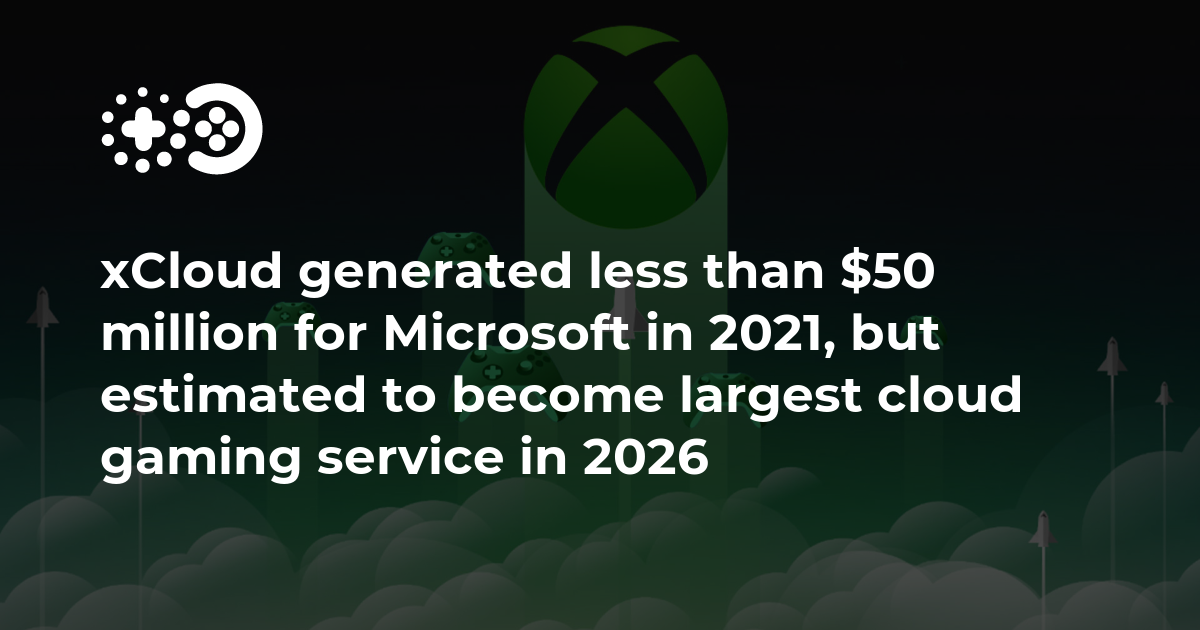
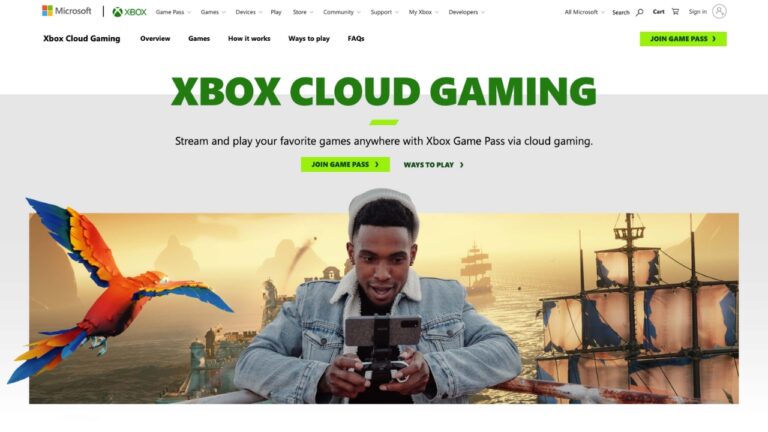
Cloud Gaming And Interactive Streaming Analysis And Forecasts 2021 2026 Cloud Gaming And Interactive Streaming Analysis And Forecasts 20212026 . Microsoft Vs Nintendo Vs Sony Seite 11615 Consolewars Foren Xcloud 50 Million Cloud Gaming Revenue Cma Report . Best Cloud Gaming Services All Top Platforms Compared 2026 Xbox Cloud Gaming Review Preview 768x432 . A Guide About The Future Of Cloud Gaming Future Of Cloud Gaming . NVIDIA Pushes GeForce Now India Launch To Q1 2026 But The Wait Will Be


GeForce Now In Der Xbox App Mehr Flexibilit T Beim Cloud Gaming Xcg S1.webp. Nvidia GeForce Now Cloud Gaming Service India Launch Delayed To Q1 2026 Nvidia Geforce Now Cloud Gaming Service P7md.1280 . The 6 Best Cloud Gaming Services Of 2026 Reviews By Wirecutter 2048px Nvidia . Top 3 Best Cloud Gaming Apps In India 2026 Image. To Cloud Gaming 2 226


Cloud Gaming The Future Of Play Is Here Now What Is Cloud Gaming 10 . Pet Industry Statistics By Revenue Market And Region 2025 Cloud Gaming Service 01 . Best Cloud Gaming Services In 2025 Awaraj Best Cloud Gaming Services . Xbox February 2025 Update Makes Changes In Cloud Games Fyuu Xbox Cloud Gaming New Games 4k Streaming Report 2 . Leaked Documents Detail Next Gen Xbox Targeting 2028 New Hybrid Cloud 1200 80


Cloud Gaming S 21 7 Million Paying Users Helped The Market Generate 1 March2022 732x1024 . Cloud Gaming Service Statistics And Facts 2025 4Vy9v Cloud Gaming Serviced Subscribe To . 10 Best Cloud Gaming Service Providers In 2026 TargetTrend Cloud Gaming 1536x868 . Best Cloud Gaming Services In 2025 Awaraj 285 . The 6 Best Cloud Gaming Services Of 2026 Reviews By Wirecutter 2048px 8589 2x1 1


Cloud Gaming USA Best Services For US Gamers 2026 Airgpu Cloud Gaming . Report Cloud Gaming Market Will Hit 6 5 Billion In Yearly Revenue In 2024 Newzoo CGMR2021 Infographic 1293x1536 . Cloud Gaming Vs Traditional Gaming The Latest GDC2025 . Gaming S Future With Liquid Web Fully Managed Cloud Servers Future Of Gaming Cloud Servers . Top Five Cloud Gaming Service Providers In 2024 Stream Games Like A Pro Img1