Navigating your Steam library can sometimes feel like managing a digital attic full of forgotten treasures and space hogging relics. This comprehensive guide on how delete game from steam is designed for the modern US gamer, balancing a busy life with a passion for pixels. Whether youre running low on precious SSD space, decluttering your library, or simply making room for this month's hot new releases, understanding the steps to efficiently uninstall games is crucial. We cut through the noise to provide clear, actionable advice, ensuring your gaming setup remains optimized for performance and enjoyment. From permanent removal to temporary uninstalls, this resource covers everything you need to know about managing your Steam game installations, helping you maintain a lean and efficient gaming PC without stress. Say goodbye to unwanted titles and hello to a streamlined gaming experience, ready for your next adventure or chill session with friends online.
How do I uninstall a game from Steam? Does uninstalling a Steam game delete my saves? Can I delete a game from my Steam library permanently? Where are Steam games installed on my PC? What happens if I delete Steam game files manually?Q: Why is my SSD always full even after deleting games?
A: Your SSD might still be full because games often leave behind residual files in other directories like "Documents" or "AppData", or because you have many other large programs, media files, or operating system updates accumulating. Remember, deleting a game from Steam primarily targets the main installation files. Check for large folders in your user directory, run Windows Disk Cleanup, and consider optimizing other software installations.
Q: How can I tell which games in my Steam library take up the most space?
A: To easily identify space-hogging games, open your Steam client, go to your "Library", and at the top of your games list, look for the "Sort by" option. Select "Size on Disk". This will reorder your library from largest to smallest, making it simple to pinpoint which titles are consuming the most precious gigabytes on your drive. This is super helpful for quick decision-making when you need to free up space fast for a new release or a trending social game.
Q: Is it safe to delete the "shadercache" or "workshop" folders after uninstalling a game?
A: Yes, it is generally safe to manually delete residual "shadercache" or "workshop" folders associated with an uninstalled game. Shader caches are temporary files generated by your graphics card for specific games, and workshop content is user-created modifications. While Steam's uninstaller aims to remove these, they can sometimes be left behind. Deleting them once the main game is gone simply reclaims a little more disk space and won't harm your system or other Steam installations.
Q: Can I move a Steam game to a different drive instead of deleting it?
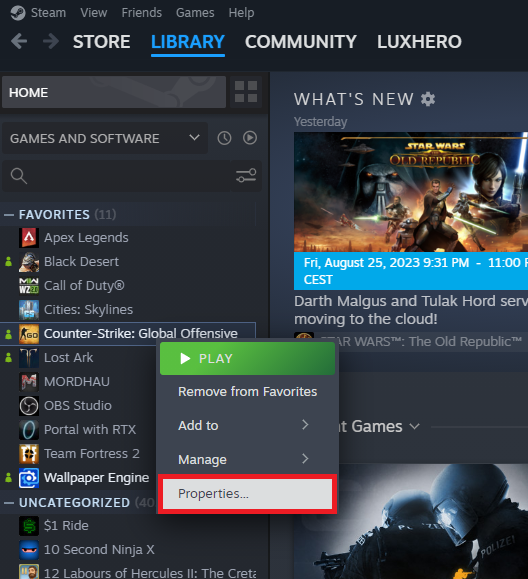
A: Absolutely! Steam has a built-in feature to move installed games between different Steam Library Folders on your various drives. Right-click the game in your library, go to "Properties", then "Installed Files", and select "Move Install Folder". This is an excellent option if you want to keep the game but need its space on a primary drive, like an SSD, to free it up for something else.
Q: What if Steam says a game is "ready to play" but it's not installed?
A: This usually means Steam has an incomplete or corrupted record of the game's installation status. First, restart your Steam client and even your PC. If the issue persists, try "Verify integrity of game files" (right-click game > Properties > Installed Files). If that doesn't work, manually delete the game's folder from your Steam Library directory (e.g., steamapps\common\<GameName>) and then try to uninstall or install it again through Steam.
Q: How does deleting a game impact my Steam Deck storage?
A: Deleting games from your Steam Deck works similarly to PC: it frees up local storage on the Deck. Given the Deck's smaller internal storage (often 64GB, 256GB, or 512GB), managing game installations is even more critical. You'll uninstall games directly from the Steam Deck UI. The game remains in your library and can be reinstalled later, and cloud saves will transfer your progress, making it easy to swap games in and out as you travel or switch between experiences.
Q: Are there any third-party tools that can help with deleting stubborn Steam games?
A: While Steam's uninstaller is usually sufficient, for particularly stubborn or problematic games that leave behind many residual files, some users turn to third-party uninstaller tools like Revo Uninstaller. These tools aim to scan for and remove all traces of a program, including registry entries and scattered files. Use them with caution, ensuring you understand their features and only download from reputable sources, as improper use can sometimes affect system stability.
Ever feel like your PC’s hard drive is a digital black hole, constantly sucking in gigabytes of game data until it screams for mercy? You’re not alone. For US gamers juggling careers, family, and a precious few hours for digital adventures, managing storage is a constant battle. With 87% of gamers regularly diving into their favorite titles, and many averaging over 10 hours a week, our Steam libraries can quickly become bloated. This month, with so many amazing new releases and even trending cozy games inviting us in, making space is more important than ever. Perhaps you've downloaded a free-to-play title that didn't quite click, or an older AAA game is just taking up prime real estate on your SSD. Whatever the reason, knowing how delete game from steam efficiently is a fundamental skill for any modern gamer. This comprehensive guide is designed to empower you, offering clear, step-by-step solutions to declutter your digital life, optimize your rig, and make room for the games that truly matter to you right now. No more frustrating "disk space low" warnings – let's get your gaming setup lean, mean, and ready for action!
Why Should You Consider Deleting Games from Steam?
Even with today’s massive storage drives, game sizes continue to balloon, easily eating up 100GB or more per title. This creates several compelling reasons to regularly manage your Steam library. Firstly, storage space is paramount, especially on faster but smaller SSDs. Deleting unplayed games frees up critical space for new titles, applications, or even system performance. Think about it: a less cluttered PC means a smoother gaming experience, something every gamer, especially those balancing life and play, values for their limited gaming sessions.
Beyond the technical, there's the psychological benefit of decluttering. A vast library filled with games you'll never touch can be overwhelming. Just like cleaning out your physical space brings a sense of calm, tidying your digital library can make it easier to find and enjoy the games you truly love. It's about optimizing your entire gaming ecosystem, ensuring every precious moment you carve out for relaxation and fun is spent efficiently, not scrolling through dozens of forgotten titles. This month's trends often include social gaming and staying current, so having space for the latest co-op hit or competitive title is key.
How to Uninstall a Game from Steam The Standard Method
The good news is that uninstalling a game from Steam is incredibly straightforward. Steam handles most of the heavy lifting, ensuring a clean removal. Here’s the standard procedure that most gamers use:
- Open Steam: Launch the Steam client on your PC. Make sure you are logged into your account.
- Navigate to Your Library: Click on the "Library" tab at the top of the Steam client. This will display all the games you own, whether installed or not.
- Locate the Game: Find the game you wish to delete from the list on the left-hand side. You can use the search bar at the top of the library list to quickly locate it if your collection is extensive.
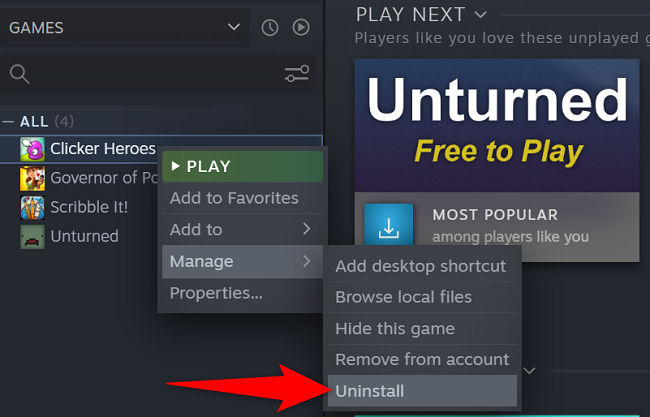
- Right-Click the Game: Right-click on the game's title in your library list. This will bring up a context menu with several options.
- Select "Manage" then "Uninstall": From the context menu, hover over "Manage" and then click on "Uninstall".
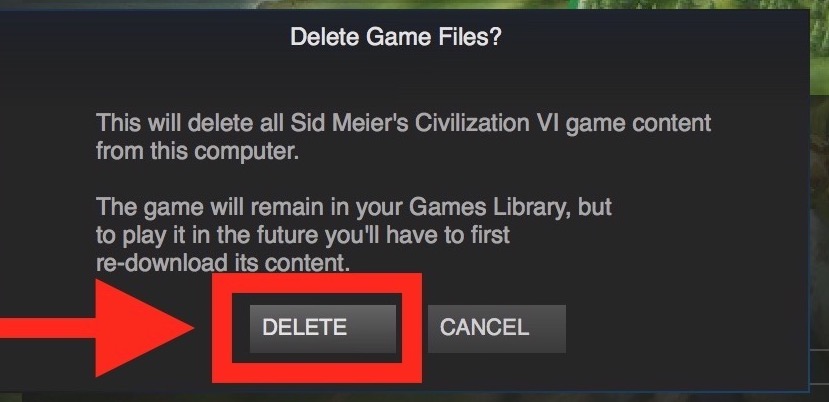
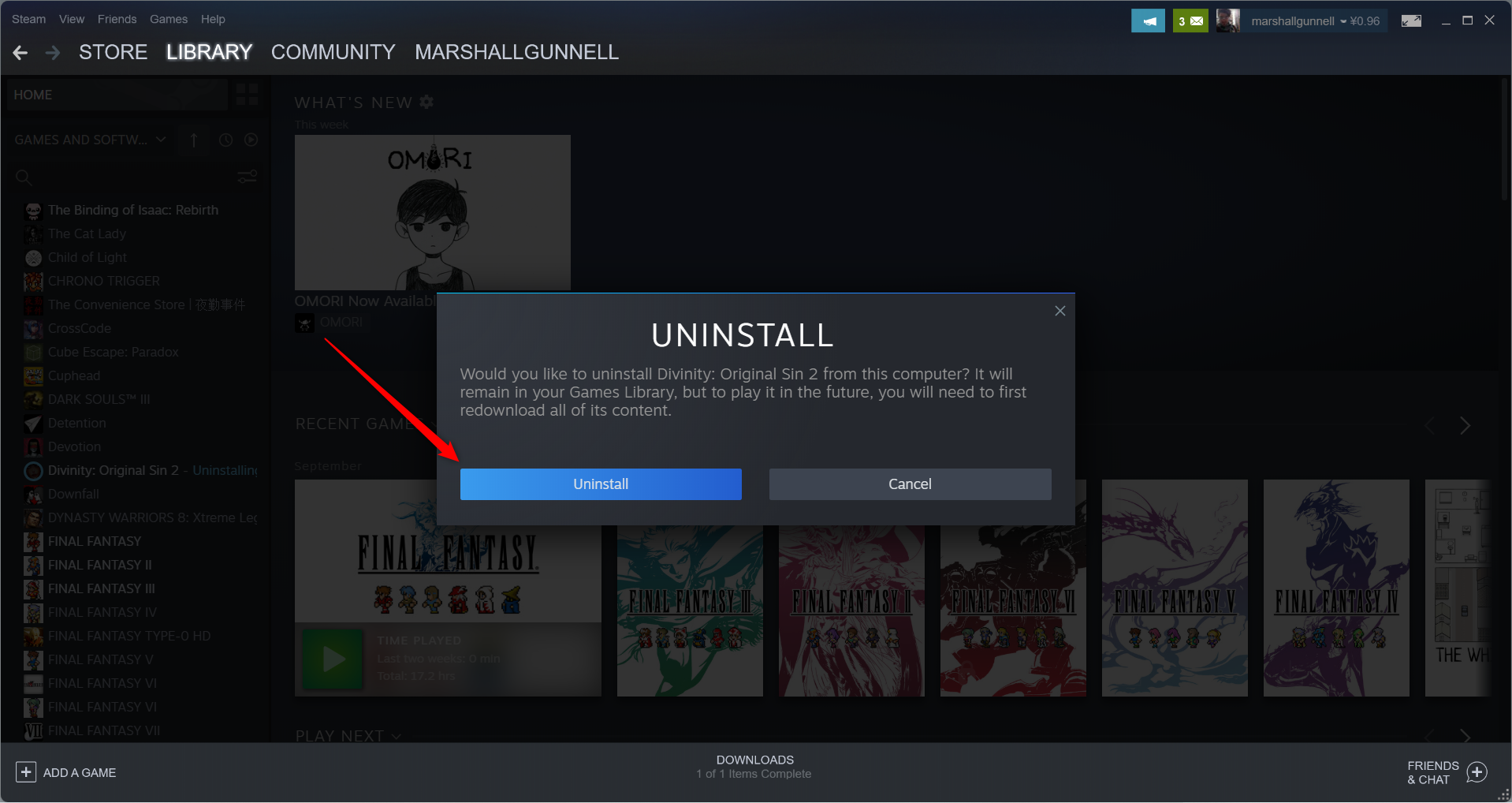
- Confirm Uninstallation: A dialog box will appear asking you to confirm if you want to uninstall the game. It will also show you how much disk space will be freed up. Click "Uninstall" to proceed.
Steam will then begin the uninstallation process. The time it takes will depend on the game's size and your system's speed. Once complete, the game will no longer appear as "Installed" in your library, and the disk space will be reclaimed. Remember, this method removes the game files from your hard drive but keeps the game linked to your Steam account, so you can always reinstall it later.
Is Uninstalling a Game Permanent What Happens to My Save Data?
This is a common concern for many gamers, especially when dealing with beloved single-player campaigns. It's important to understand the distinction: uninstalling a game from Steam is NOT permanent deletion from your account. When you uninstall a game using the standard method, you are simply removing the game's executable files and associated data from your local hard drive. The game still belongs to your Steam account, and you can reinstall it at any time in the future without purchasing it again.
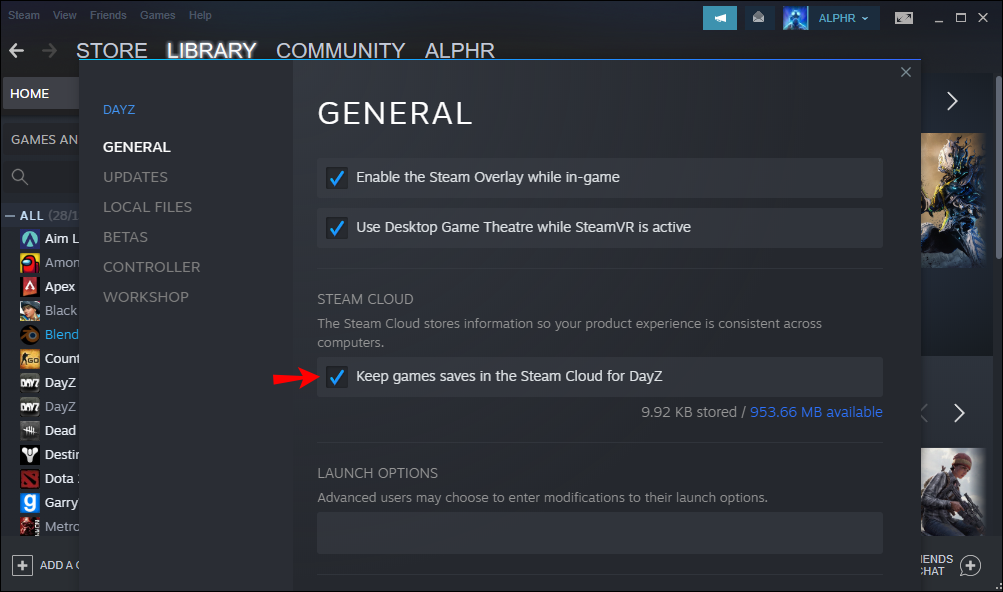
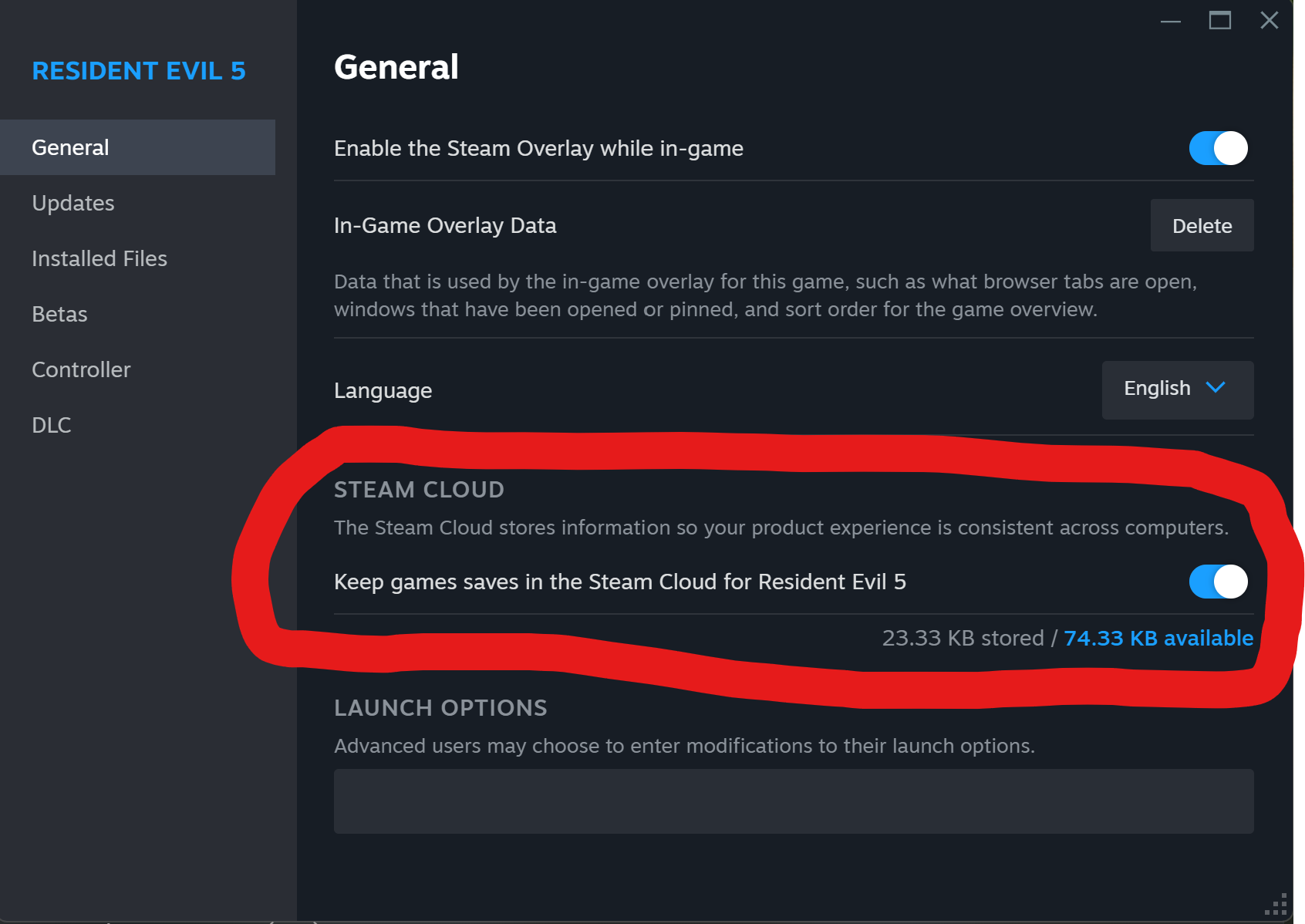
What about your precious save data? Most modern Steam games utilize Steam Cloud Save functionality. If a game supports this, your save files are automatically backed up to Steam's servers. When you uninstall the game, your local save files might be removed, but the cloud version remains safe and sound. When you reinstall the game later, Steam will download your cloud saves, allowing you to pick up right where you left off. However, not all games support Steam Cloud Save. For those that don't, your save files are typically stored locally in your Documents folder, AppData, or within the game's installation directory. In these cases, simply uninstalling the game might delete local save files if they are within the game directory. It's always a good practice, especially for older or niche titles, to manually back up your save files before uninstalling if you're unsure and the game is critical to you.
How to Reinstall a Game After Deleting It From Steam
One of the great advantages of Steam is the ease of managing your game library. After you've uninstalled a game to free up space or simply take a break, reinstalling it is just as simple. Since uninstalling only removes the local files and not the game from your account, it remains accessible in your Steam library. Here's how you get it back:
- Open Steam: Launch the Steam client and log in.
- Go to Your Library: Click on the "Library" tab.
- Locate the Game: Find the game you previously uninstalled. It will still be listed, but it won't have the "Play" button; instead, it will likely say "Install" or have a cloud icon next to it if you've filtered by installed games.
- Initiate Installation: Right-click on the game and select "Install game...", or simply click the "Install" button on the game's library page.
- Choose Installation Options: A dialog box will appear, allowing you to choose the installation location (if you have multiple Steam Libraries set up) and whether you want to create desktop shortcuts. Click "Next" and then "Finish".
Steam will then download and install the game. If the game supports Steam Cloud Saves, your progress will be automatically restored upon launching the game. This seamless process means you never truly lose access to games you own, making library management flexible and stress-free for busy gamers who might rotate through titles based on their available time or current interests. It’s perfect for picking up an old favorite during a quiet weekend or joining friends for a trending title.
When Would You Permanently Remove a Game from Your Steam Account?
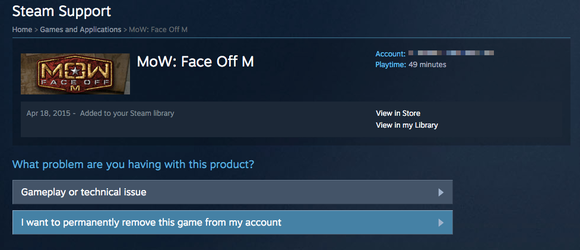
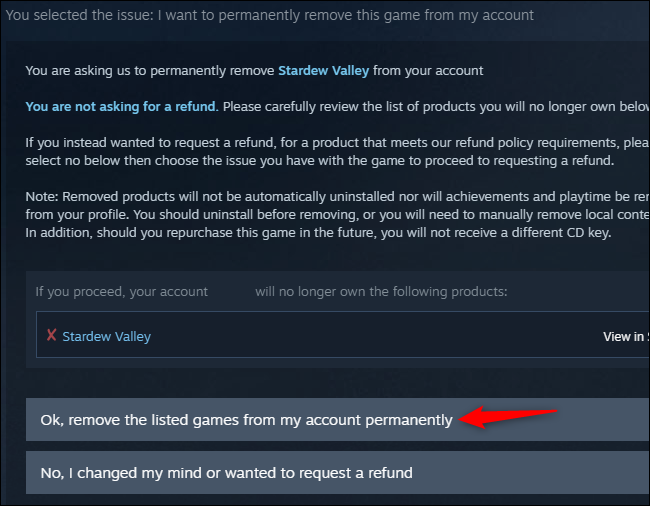
While uninstalling a game is temporary, Steam does offer an option for permanent removal from your account. This is a far more drastic step, akin to returning the game or selling it, and it means the game will no longer appear in your library and you'll need to repurchase it if you ever want to play it again. Because of this, most gamers rarely use this feature, but there are specific scenarios where it might be considered:
- Unwanted Gifts or Accidental Purchases: Sometimes a friend might gift you a game you absolutely despise, or you might accidentally purchase the wrong title. If Steam's refund policy window has passed and you truly never want to see it again, permanent removal is an option.
- Serious Performance Issues or DRM Conflicts: In rare cases, a game might have unresolvable performance issues on your system, or deeply integrated DRM that causes constant headaches. If you've exhausted all troubleshooting and have no desire to ever engage with the title again, removing it might be a last resort.
- Decluttering Extreme: For a very small segment of gamers who desire an absolutely pristine, minimalist library, removing games they actively dislike or will never play again might appeal. This is less about storage and more about psychological decluttering, removing any trace of games that evoke negative feelings.
- Privacy Concerns: While uncommon, if a game has known privacy vulnerabilities or you simply wish to disassociate yourself completely from a specific title for personal reasons, permanent removal ensures it's no longer linked to your account.
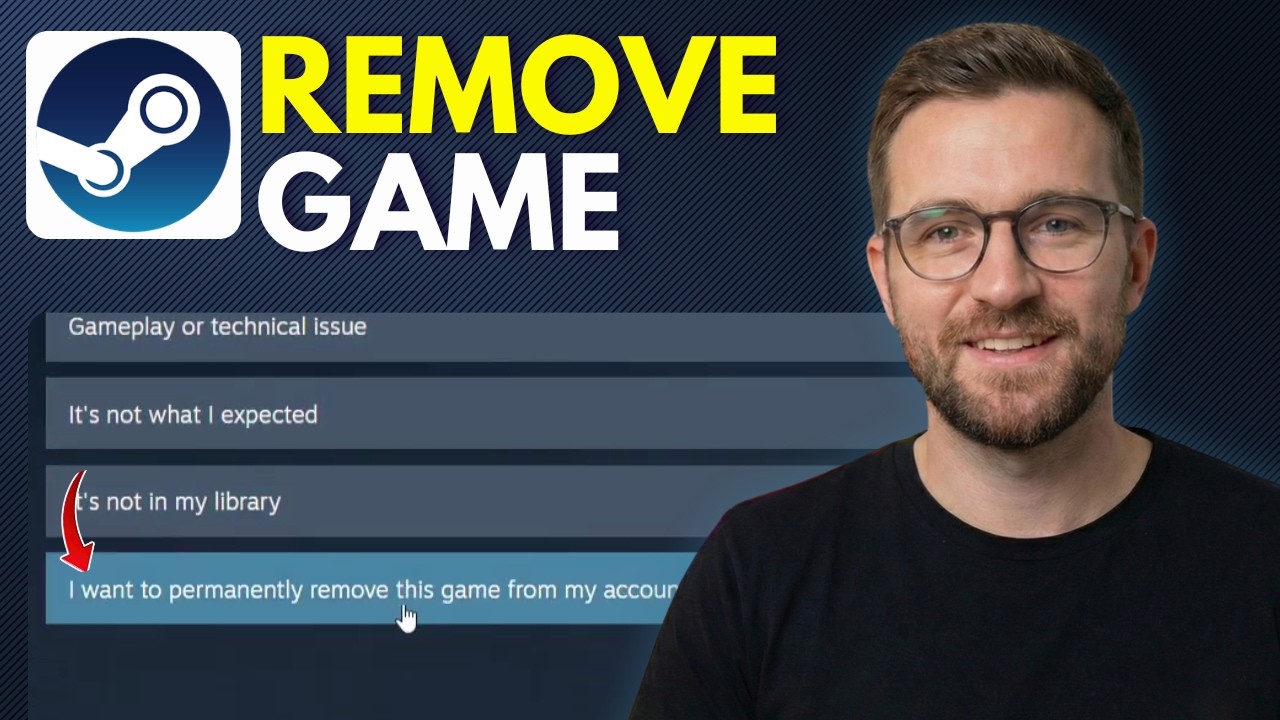
This feature is accessed via Steam Support, not directly from your library. It’s a significant step, so ensure you are absolutely certain before proceeding. For the vast majority of gamers, simply uninstalling the game is sufficient.
Can You Delete Game Files Manually Without Using Steam?
Yes, you can technically delete game files manually by navigating to your Steam installation directory and deleting the game's folder. The default path is usually C:\Program Files (x86)\Steam\steamapps\common. However, this method is generally not recommended for several important reasons. While deleting the folder removes the bulk of the game data, it often leaves behind residual files, registry entries, and other scattered data that a proper uninstallation process would clean up. This can lead to:
- "Phantom" Games: Steam might still think the game is installed, causing issues if you try to reinstall it later or if it tries to verify files that no longer exist.
- Registry Clutter: Many games create entries in your Windows Registry. Manual deletion bypasses the uninstaller's cleanup routine, leaving orphaned entries that can contribute to system clutter over time.
- Partial Deletion: Save files, configuration files, and other user data are often stored outside the main game directory. Manually deleting the game folder won't touch these, meaning they'll still be taking up space or could cause conflicts if you try to reinstall the game.
For these reasons, always use Steam's built-in uninstall feature. It’s designed to perform a comprehensive cleanup and ensure your system remains tidy. Manual deletion should only be a last resort if Steam's uninstaller fails, and even then, it's often better to try Steam's "Verify Integrity of Game Files" first, then uninstall, or use a third-party uninstaller tool designed to thoroughly remove software and associated files.
Troubleshooting Common Issues When Deleting Games from Steam
While Steam's uninstall process is usually smooth, you might occasionally run into hiccups. Here are some common problems and their solutions to help you when you try to how delete game from steam:
- Game Won't Uninstall or Is Stuck: If Steam seems stuck or gives an error during uninstallation, first try restarting Steam. Sometimes a simple client restart resolves temporary glitches. If that doesn't work, try restarting your entire PC. Then, attempt the uninstallation again. Ensure no game processes are running in the background before trying to uninstall.
- "Uninstall" Option is Grayed Out: This usually means the game is currently running or Steam thinks it is. Close the game completely from Task Manager (Ctrl+Shift+Esc, find the game's process, and "End task"). Then try uninstalling again.
- Residual Files Remain After Uninstall: Even after a successful uninstall, small files or folders might be left behind, especially in the game's directory or your Documents folder. You can safely manually delete these if you're sure they belong to the uninstalled game. Use a disk cleanup tool like Windows Disk Cleanup or CCleaner to find and remove temporary files and other junk.
- Steam Claims Game is Still Installed After Deletion: This can happen if the uninstallation didn't fully update Steam's internal records. Try "Verifying Integrity of Game Files" for the problematic game (right-click game > Properties > Installed Files > Verify integrity...). This might force Steam to recognize the game's absence. If not, a complete restart of Steam and your PC often resolves the discrepancy.
- Permissions Issues: Occasionally, Windows permissions can interfere. Ensure you are running Steam as an administrator (right-click Steam shortcut > Run as administrator) when attempting to uninstall stubborn games.
Patience and a methodical approach usually solve most uninstallation woes. Remember, the goal is a clean, efficient gaming PC, so taking a few extra steps to troubleshoot is worth it.
How to Optimize Your Gaming PC After Deleting Games
Freeing up disk space by deleting games is a fantastic first step in optimizing your gaming rig, but you can take it further. A well-maintained PC enhances everything from load times to frame rates, crucial for busy gamers who want maximum enjoyment from their limited playtime. After you how delete game from steam, consider these additional optimization tips:
- Run Disk Cleanup: Windows has a built-in Disk Cleanup utility. Search for "Disk Cleanup" in the Start menu, select your main drive, and let it scan. You can often safely delete "Temporary files," "Recycle Bin," and "Temporary Internet files." Click "Clean up system files" for more options.
- Defragment Your Hard Drive (HDD only): If you're still using a traditional Hard Disk Drive (HDD), defragmenting can help improve performance by reorganizing data. Search for "Defragment and Optimize Drives" in Windows. Do NOT defragment Solid State Drives (SSDs), as it can reduce their lifespan without performance benefits. SSDs manage data differently.
- Update Your Drivers: Outdated graphics drivers (NVIDIA, AMD, Intel) are a common cause of performance issues. Always keep them updated. Check your GPU manufacturer's website regularly for the latest versions. This is critical for getting the best out of current game trends and major titles.
- Manage Startup Programs: Too many programs launching with Windows can hog resources. Press Ctrl+Shift+Esc to open Task Manager, go to the "Startup" tab, and disable unnecessary programs. This speeds up boot times and frees up RAM.
- Monitor Background Processes: During gaming, close any non-essential applications running in the background, like web browsers, streaming services, or large downloads. These consume CPU, RAM, and network bandwidth that your game could be using.
- Consider a Third-Party Cleaner (Use with Caution): Tools like CCleaner can help remove residual files, broken registry entries (use registry cleaner with caution), and manage startup items. Always download from official sources and understand what you're cleaning.
These small steps, when done regularly, contribute significantly to a smoother, faster gaming experience, allowing you to maximize those valuable hours you dedicate to unwinding, socializing in Discord, or tackling the latest esports challenge.
Managing your digital library is an essential part of being a modern gamer, especially as we balance gaming with busy lives. Understanding how delete game from steam, whether temporarily or permanently, empowers you to maintain an optimized, clutter-free PC ready for whatever new adventure awaits. From reclaiming precious SSD space to ensuring smoother performance for the latest trending titles or cozy game nights with friends, the steps outlined here provide a solid foundation. Remember, a well-managed library is a happy library, contributing to a more enjoyable and stress-free gaming experience. What's your biggest gaming challenge when it comes to managing your digital games? Comment below and share your tips!
FAQ Section
Q: Does uninstalling a Steam game remove it from my Steam account?
A: No, uninstalling a game only removes its files from your local hard drive. The game remains linked to your Steam account, and you can reinstall it anytime from your library without repurchasing.
Q: Will deleting a game delete my save files?
A: If the game supports Steam Cloud Saves, your progress is usually safe in the cloud. For games without cloud support, local save files *might* be deleted if stored within the game directory, so it's wise to back them up manually if they're critical.
Q: How do I permanently remove a game from my Steam library?
A: You can permanently remove a game via Steam Support. Navigate to "Help" then "Steam Support", find the game, and select "I want to permanently remove this game from my account". This action is irreversible.
Q: Can I install a Steam game on an external hard drive?
A: Yes, Steam allows you to create multiple "Steam Library Folders" on different drives, including external ones. You can specify the installation path when downloading a game.
Q: What happens if I accidentally delete a game I still want to play?
A: No worries! As long as you only uninstalled it, the game is still in your library. Simply go to your Steam Library, find the game, and click "Install" to download it again.
Q: Is there a way to tell which games take up the most space?
A: In your Steam library, you can sort games by "Size on Disk" to quickly identify the largest titles. This helps prioritize which games to delete for maximum space reclamation.
Free up critical storage space quickly. Optimize PC performance for new games. Declutter your Steam library effortlessly. Understand temporary vs permanent game removal. Easy to follow step by step instructions. Troubleshoot common uninstallation issues.
35



How To Delete Games On Mac Free Up Space In 2026 . How To Uninstall Delete Games All At Once On STEAM Easy Tutorial . How To Delete Games On Mac Free Up Space In 2026 Howto Delete Steam Games . How To Delete Non Steam Games From Steam YouTube . How To Delete Steam Game Save Data 2025 YouTube



How To Completely Delete Game From Steam In Windows YouTube . How To Delete All Game Data On Steam BEST Way YouTube . How To Uninstall A Game On Steam Mac Detroit Chinatown . How To Remove Game From Steam Library Not Hide Or Refund Step By Step . How To Permanently Remove Game From Steam Account Easy Guide YouTube




How To Reset Steam Games Delete Game Data YouTube . Remove Games From Steam Library FDOMF . How To Uninstall A Steam Game PCWorld Click Uninstall . How To Delete Steam Games Quick Easy Guide V4 460px Delete Steam Games Step 7 . Steam Cloud Save History At Lisa Post Blog



Steam Remove Game History At Clyde Miller Blog . How To Delete All Steam Cloud Saves Screenshot 12 4 . How To Permanently Delete Games From Steam PCWorld Steam Delete Game 100631673 Large . How To REMOVE Game Files From Steam Tool QUICK EASY 2026 YouTube Hqdefault . How To Delete Steam Games Quick Easy Guide V4 460px Delete Steam Games Step 17


Game Bar Stuck Heres How To Restart It 3 Game Properties. How To Delete Uninstall Game On Steam Account PC 2023 YouTube . How To Remove Game From Steam Library YouTube . Steam Community Guide How To Delete Save Data Works As Of Jan 2024. Steam 3 Hide Steam Activity Step 12

How To Hide Or Remove A Game From Your Steam Library Img . Erase Steam Games A Super Simple Guide 2 Uninstall Steam Game . Steam March 2026 Client Update Adds Hardware Specs To User Reviews Steam Client Mar 2026 . The Best Selling Paid Games On Steam Right Now Cheat Code Central Most Played Games Steam 2026 2048x1167 . Ventas De Steam 2026 Calendario Fecha Completa Y Las Mejores Ofertas All Steam Events 2026


How To Delete Steam Games Quick Easy Guide V4 460px Delete Steam Games Step 4 . How To Permanently Remove A Game From Your Steam Library YouTube . How To Remove All Steam Game Files In Windows Uninstall Remove Files . How To Remove Steam Games From Library Permanently Not Just Uninstall . Guide How To Optimize Your Steam Game Library Size Steam Machine 2026 Image 01