Have you ever wondered what exactly native 4K gaming entails and if your current setup is truly capable of delivering such stunning visuals? This comprehensive guide for 2026 explores the cutting-edge requirements and benefits of experiencing games at their purest 4K resolution. We delve into the hardware specifications you absolutely need, from the latest graphics cards to high-refresh-rate displays. Learn about the crucial differences between native and upscaled 4K, understanding why true native offers unparalleled clarity and immersion. Discover essential optimization tips and tricks to maximize your gaming performance, ensuring smooth frame rates even in the most demanding titles. This article provides all the necessary insights for both aspiring and experienced gamers looking to elevate their visual experience. Prepare to unlock the ultimate fidelity in your favorite virtual worlds.
what is native 4k gaming FAQ 2026 - 50+ Most Asked Questions Answered (Tips, Trick, Guide, How to, Bugs, Builds, Endgame)
Welcome to the ultimate living FAQ for native 4K gaming in 2026! This comprehensive guide is your one-stop resource for understanding everything about achieving the pinnacle of visual fidelity in your games. We've updated this post with the latest hardware, software, and optimization insights to reflect the current state of gaming technology. Whether you're a beginner seeking basic definitions or an advanced enthusiast looking for cutting-edge tips, this FAQ is designed to answer your most pressing questions. Dive deep into performance, hardware requirements, graphical settings, and troubleshooting for an unparalleled 4K experience. Get ready to elevate your gameplay!
Beginner Questions
What does 'native 4K' mean in gaming?
Native 4K gaming means a game is rendered by your graphics card at a true 3840x2160 pixel resolution. This ensures every pixel on your 4K display receives unique data, delivering maximum sharpness and clarity compared to upscaled images. It's the purest form of high-resolution gaming.
Is a 4K monitor enough for native 4K gaming?
No, a 4K monitor alone is not enough for native 4K gaming. Your PC's graphics card must be powerful enough to render games at 3840x2160 pixels consistently. A high-end GPU from 2026 is essential for driving such demanding visuals smoothly.
What is the main benefit of native 4K over upscaled 4K?
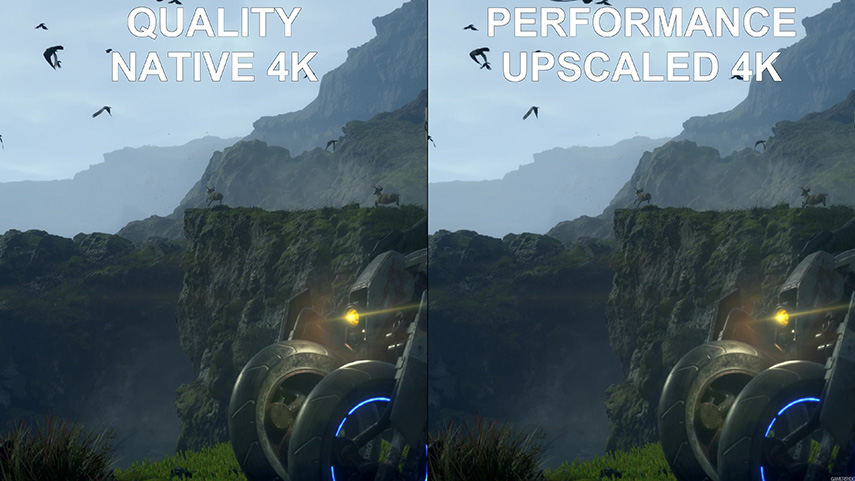
The main benefit of native 4K over upscaled 4K is superior image clarity and pixel precision. Native rendering eliminates any potential for artifacts or softness introduced by upscaling algorithms, providing the sharpest possible image for discerning players. Tips: Upscaled 4K is often excellent, but native is peak.
Do I need a special cable for 4K gaming?
Yes, for 4K gaming, especially at high refresh rates, you need a high-bandwidth cable like HDMI 2.1 or DisplayPort 1.4 (or newer DisplayPort 2.1). Older cables might support 4K at lower refresh rates but cannot handle the full data required for smooth, high-fidelity experiences.
Hardware & Setup
What graphics card is needed for native 4K gaming in 2026?
For native 4K gaming in 2026, you'll generally need a top-tier GPU like NVIDIA's RTX 50-series or AMD's RX 9000-series. These cards feature abundant VRAM (24GB+) and immense processing power to handle the demanding pixel count and graphical effects. Tip: Prioritize VRAM capacity.
How much RAM is ideal for 4K gaming?
For native 4K gaming, 32GB of fast DDR5 RAM is considered ideal. While 16GB might suffice for some games, 32GB ensures smoother performance, especially in open-world titles, reducing potential bottlenecks for your powerful GPU and CPU.
Performance & Optimization
Why am I getting low FPS at 4K, even with a powerful PC?
Low FPS at 4K, even with a powerful PC, can be due to several factors: overly demanding in-game settings (e.g., ray tracing), a CPU bottleneck, outdated graphics drivers, or thermal throttling. Monitor your component usage and temperatures, then adjust settings incrementally. Tip: Check driver updates first.
How can I optimize settings for better 4K performance?
To optimize 4K performance, lower graphically intensive settings like shadows, anti-aliasing (try less aggressive options like TAA), and volumetric effects. Prioritize keeping texture quality high. Utilize upscaling technologies like DLSS or FSR to gain significant frame rates without drastic visual loss.
Myth vs. Reality
Myth: All 4K monitors are equally good for gaming.
Reality: Not all 4K monitors are equally good for gaming. Many standard 4K monitors lack high refresh rates (120Hz+), fast response times, or adaptive sync technologies (G-Sync/FreeSync), which are crucial for a smooth and responsive gaming experience. Gamers need specific gaming-focused 4K displays.
Myth: You can't use ray tracing at native 4K with good FPS.
Reality: While demanding, it's increasingly possible to use ray tracing at native 4K with good FPS in 2026. Advancements in GPU power, optimized ray tracing cores, and sophisticated upscaling technologies like DLSS 4.0/5.0 allow for playable frame rates, balancing visuals and performance. Tip: Use DLSS/FSR for ray tracing.
Still have questions?
Check out our related guides on 'Best 4K Gaming Monitors 2026' and 'Understanding GPU Bottlenecks in High-Resolution Gaming' for more in-depth information!
Hey gamers, ever found yourself asking, What is native 4K gaming, and why does everyone keep talking about it? It is a question that pops up in forums all the time. The world of high-resolution gaming is constantly evolving, captivating players with stunning visuals and immersive experiences. True native 4K gaming represents the pinnacle of visual fidelity currently available to enthusiasts in 2026. This means every single pixel on your display is rendered perfectly by your graphics card. It is not about clever tricks or upscaling; it is raw, unadulterated graphical power delivering incredible detail. We are talking about games running at a resolution of 3840x2160 pixels, offering four times the clarity of standard 1080p. Achieving this level of detail requires serious hardware and smart optimization strategies. Understanding the components and settings will significantly enhance your gaming journey, making every moment truly spectacular.
Many players confuse native 4K with upscaled 4K, which is a common misunderstanding. Upscaling renders the game at a lower resolution and then stretches it to fit a 4K screen. While upscaling can look good, especially with advanced techniques like DLSS 4.0 or FSR 4.0, it simply cannot match the sharpness. Native 4K provides a crispness that makes textures pop and distant objects clearer. This difference becomes especially noticeable on larger screens or when sitting closer to your display. Investing in native 4K means you are committed to the absolute best visual experience available. It is a commitment to seeing game worlds as developers intended, with every detail rendered faithfully. This commitment often involves significant financial investment, but many find the visual rewards well worth the price.
The Core Components for Native 4K Glory in 2026
To truly embrace native 4K gaming in 2026, you will need more than just a 4K monitor. The entire ecosystem of your gaming PC must be tuned for this demanding resolution. Your graphics card, often called the GPU, is undoubtedly the most critical component in this setup. Next-generation GPUs from NVIDIA and AMD are essential, featuring massive amounts of VRAM and powerful processing cores. Look for cards with at least 24GB of VRAM for comfortable future-proofing. The CPU also plays a vital role, ensuring the GPU is not bottlenecked. A high-core count processor, such as an Intel Core Ultra or AMD Ryzen 8000 series, will provide the necessary horsepower. Finally, a 4K monitor with a high refresh rate is crucial. Aim for 120Hz or higher to enjoy fluid animations, possibly with HDR support for vibrant colors.
Graphics Card: The Undisputed King
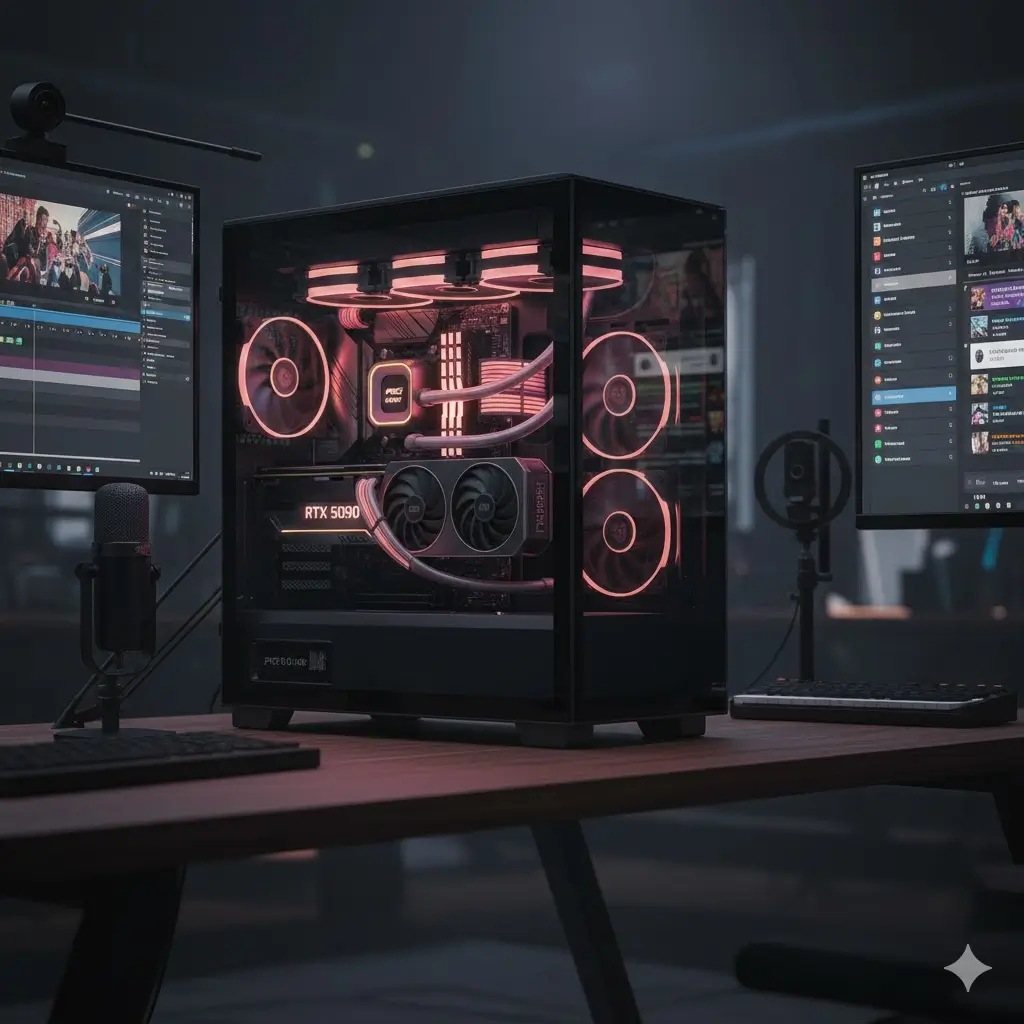
The graphics card is the heart of any native 4K gaming rig. For 2026, you are looking at top-tier NVIDIA GeForce RTX 50-series cards or AMD Radeon RX 9000-series cards. These behemoths feature advanced architectures and immense VRAM, typically 24GB or more, which is vital for storing high-resolution textures. This abundant VRAM ensures smooth performance even in graphically intensive titles. These cards also come with improved ray tracing capabilities, making lighting and reflections incredibly realistic. Choosing a powerful GPU is the single biggest investment you will make for true native 4K gaming. Always prioritize the highest-tier card your budget allows to maximize performance and longevity.
Processor and Memory: Feeding the Beast
While the GPU does most of the heavy lifting, a strong CPU prevents bottlenecks and ensures overall system responsiveness. Modern games, especially open-world titles, leverage multiple CPU cores. An Intel Core Ultra 9 or an AMD Ryzen 9 series processor provides ample processing power for these demanding workloads. Pair this with at least 32GB of DDR5 or newer memory, running at high speeds. Fast RAM helps the CPU and GPU communicate efficiently, reducing any potential lag or stuttering. This balanced approach ensures all components work in harmony. You want your CPU to feed data to your GPU as fast as possible for peak performance.
The Display: Your Window to 4K Worlds
A native 4K gaming experience is only as good as the display it is shown on. Investing in a high-quality 4K monitor is paramount. Look for models with a high refresh rate, ideally 120Hz or 144Hz, for incredibly smooth motion. Adaptive sync technologies like G-Sync or FreeSync are essential to eliminate screen tearing and stuttering. HDR (High Dynamic Range) support further enhances the visual experience, offering deeper blacks and brighter whites. The panel type also matters, with OLED and Mini-LED displays providing superior contrast and color accuracy. Ensure your monitor has the latest display inputs, like HDMI 2.1 or DisplayPort 2.1, to support high refresh rates at 4K resolution.
Optimizing Settings for Peak Native 4K Performance
Even with the best hardware, proper settings optimization is key to a smooth native 4K experience. Modern games often include numerous graphical options that impact performance significantly. Understanding which settings to tweak can dramatically improve your FPS without sacrificing too much visual quality. The goal is to strike a perfect balance between fidelity and frame rate. Remember, a consistent frame rate often feels better than a higher but unstable one. Experimenting with settings is a crucial step for every gamer aiming for the best experience.
In-Game Settings: The Art of the Trade-Off
When diving into a game's graphics settings, certain options have a larger impact than others. Ray tracing, while visually stunning, is incredibly demanding; adjust it cautiously or consider disabling it for competitive play. Shadow quality and anti-aliasing are often resource hogs; reducing them slightly can free up significant GPU power. Texture quality, on the other hand, is crucial for 4K visuals, so try to keep it as high as possible. Experiment with settings like ambient occlusion, volumetric clouds, and particle effects. These can be dialed back a notch or two without drastically affecting the overall immersion. Utilize in-game benchmarks to find your sweet spot for each title.
Driver Updates and System Maintenance
Keeping your graphics drivers up to date is non-negotiable for optimal performance. NVIDIA and AMD frequently release new drivers optimized for the latest game releases, often providing significant FPS improvements. Regularly check for these updates and install them promptly. Beyond drivers, ensure your operating system is current and unnecessary background applications are closed during gaming. Proper cooling is also vital; monitor your CPU and GPU temperatures to prevent thermal throttling. A clean system, both physically and digitally, runs more efficiently. Good system hygiene always pays off in the long run, ensuring your hardware performs at its best.
How Native 4K Gaming Works in 2026
Native 4K gaming in 2026 is about a harmonious blend of powerful hardware and sophisticated software. It involves rendering a game world in immense detail, pushing millions of pixels simultaneously. Your GPU generates each frame in real-time, sending this vast amount of data to your display. Technologies like PCIe Gen 5 ensure rapid data transfer between components. Display interfaces like HDMI 2.1 and DisplayPort 2.1 handle the immense bandwidth required for high-refresh-rate 4K. The entire process aims to deliver an image with unparalleled clarity and fluidity, making game worlds feel incredibly lifelike. It’s a complex dance of components working together to create visual magic.
Future Trends in Native 4K Gaming
The future of native 4K gaming in 2026 looks incredibly promising, with ongoing advancements across all fronts. We expect even more powerful GPUs with increased VRAM and faster processing capabilities. Enhanced upscaling technologies, like DLSS 5.0 and FSR 5.0, will offer near-native quality with fewer performance penalties. Monitors will continue to evolve, featuring higher refresh rates, better HDR implementations, and larger sizes. Cloud gaming services will also push 4K streaming more widely, making high-fidelity experiences accessible without local top-tier hardware. The integration of AI for dynamic resolution scaling will become more sophisticated. These innovations will make native 4K gaming even more breathtaking and accessible. We are truly on the cusp of an exciting new era.
Common Mistakes to Avoid in Native 4K Gaming
Embarking on the native 4K gaming journey can be exhilarating, but many common pitfalls can derail the experience. Avoiding these mistakes will save you frustration and ensure you get the most out of your high-end setup. Proper planning and understanding of the technology involved are key to a smooth transition. Do not rush into purchases without thorough research, as this can lead to costly regrets. Paying attention to details will make a significant difference in your overall satisfaction. Always cross-reference information and seek advice from experienced gamers.
Underestimating Hardware Requirements
One of the biggest mistakes is underestimating the sheer power needed for native 4K. Trying to run demanding games at 4K on a mid-range GPU will lead to disappointing frame rates and a poor experience. Many gamers often overlook the importance of VRAM, thinking a high-end card is enough, but 16GB might not cut it for future 2026 titles. Always aim for the top-tier graphics card your budget allows, and ensure your CPU and RAM are equally robust. Skimping on any core component will create a bottleneck, severely limiting your performance. Always research specific game requirements carefully.
Ignoring Proper Cooling and Power Supply
Running components at native 4K resolution generates substantial heat. An inadequate cooling system will cause your GPU and CPU to throttle, reducing performance and potentially shortening hardware lifespan. Invest in a robust air cooler or, ideally, an AIO liquid cooler for your CPU, and ensure your PC case has excellent airflow. Similarly, a weak power supply unit (PSU) can lead to system instability, crashes, or insufficient power delivery. Always choose a PSU with ample wattage (e.g., 1000W or more for high-end 2026 builds) from a reputable brand. These often overlooked components are absolutely critical for stability.
Neglecting Monitor Specifications
Another common mistake is pairing a powerful 4K gaming PC with a subpar 4K monitor. A monitor lacking high refresh rates or adaptive sync technology will negate many of the benefits of your expensive hardware. You will still experience screen tearing or a less fluid visual experience. Additionally, monitors without good HDR support will not showcase the vibrant colors and contrast modern games offer. Always ensure your 4K monitor complements your PC's capabilities. Check for features like fast response times and appropriate panel technology for the best visual output. The display is your direct window to the game world.
What People Ask About Native 4K Gaming
People often ask about the true benefits of native 4K gaming. They want to know if it is genuinely worth the investment and effort. Many inquire about the specific components required to run games at such high resolutions smoothly. There is also considerable interest in distinguishing native 4K from upscaled versions. Gamers frequently seek advice on optimizing their settings for the best possible frame rates. The community is constantly looking for practical tips to enhance their 4K experience. Concerns about future-proofing and component longevity are also very common topics.
We have covered a lot about getting the most out of your native 4K gaming experience. The journey from a standard setup to a true 4K powerhouse involves careful planning and investment. However, the visual rewards of stunning clarity and immersive detail are undeniable. Remember to prioritize your GPU, balance your CPU and RAM, and select a high-quality, high-refresh-rate 4K monitor. Staying updated with drivers and optimizing in-game settings will ensure consistently smooth performance. Embrace the future of gaming with confidence, knowing you have the knowledge to achieve peak fidelity.
Beginner / Core Concepts
1. Q: What exactly does 'native 4K' mean in gaming, and how is it different from just having a 4K monitor?
A: Native 4K means the game's graphics are rendered at a true 3840x2160 resolution by your graphics card before being sent to your monitor. I get why this confuses so many people, especially with so much marketing around '4K compatible.' It's not just about your screen; it's about the raw data your GPU is processing. When a game renders natively in 4K, every single pixel on your 4K display gets unique, dedicated information, leading to incredibly crisp images and minute details. This contrasts sharply with upscaled 4K, where the game renders at a lower resolution, like 1080p or 1440p, and then gets stretched or intelligently reconstructed to fit the 4K screen. While upscaling technologies like DLSS or FSR are fantastic and getting closer to native quality, they are still 'simulating' those extra pixels. True native 4K is the real deal, offering unparalleled clarity. You've got this!
2. Q: Do I really need an expensive graphics card for native 4K gaming, or can my current mid-range GPU handle it?
A: Yes, for *true* native 4K gaming, especially with modern demanding titles, an expensive, top-tier graphics card is almost always necessary. This one used to trip me up too, thinking '4K capable' meant '4K excellent.' Your current mid-range GPU likely struggles to maintain playable frame rates at 3840x2160 resolution, particularly with higher graphical settings. Native 4K processing demands immense horsepower; your GPU needs a lot of processing units and, crucially, a large frame buffer (VRAM) to handle all those extra pixels and high-resolution textures. We're talking 24GB+ VRAM for comfortable 2026 gaming. Trying to force it with a weaker card will result in low FPS, stuttering, and a generally frustrating experience. It's better to play at a lower, consistent resolution than a choppy 4K. Give it a try, but be prepared for some compromises if you're not on the bleeding edge of hardware.
3. Q: What's the minimum FPS I should aim for in native 4K to have a smooth gaming experience?
A: For a smooth native 4K gaming experience, you should aim for a minimum of 60 frames per second (FPS). I know, some folks swear by 120Hz or higher, but 60 FPS is the generally accepted benchmark for fluidity. Anything below 60 FPS, especially in fast-paced action games or competitive multiplayer, can start to feel sluggish and unresponsive. While higher frame rates like 120 FPS or 144 FPS are certainly more buttery-smooth and offer a competitive edge, consistently hitting those targets at native 4K in demanding titles often requires an even more powerful and expensive setup. If you can achieve a stable 60 FPS, you're in a great spot. If you find yourself dipping below that consistently, it's time to tweak settings or consider a hardware upgrade. Don't sweat the absolute highest numbers; consistency is key!
4. Q: Besides the GPU, what other components are crucial for a good native 4K gaming setup in 2026?
A: Beyond the GPU, your monitor, CPU, and RAM are incredibly crucial for a good native 4K setup in 2026. Many people focus only on the graphics card, but it's a team effort! Your monitor needs to be a true 4K panel with a high refresh rate (120Hz or more) and ideally, adaptive sync (G-Sync or FreeSync) to prevent screen tearing and stuttering. A powerful CPU, like an Intel Core Ultra 9 or AMD Ryzen 9 series, ensures your GPU isn't bottlenecked and can feed data quickly. And don't forget memory: at least 32GB of fast DDR5 or newer RAM is essential for keeping everything running smoothly, especially with demanding open-world titles that load a lot of assets. It's like a symphony; all instruments need to be in tune for a perfect performance. You'll definitely notice the difference!
Intermediate / Practical & Production
1. Q: How do upscaling technologies like DLSS 4.0 and FSR 4.0 compare to native 4K in terms of visual quality and performance?
A: DLSS 4.0 (NVIDIA) and FSR 4.0 (AMD) are truly remarkable upscaling technologies that leverage AI or advanced algorithms to render games at a lower internal resolution and then intelligently upscale them to 4K. I get why these are so popular; they offer a fantastic performance boost, often allowing you to play games at much higher frame rates than native 4K, sometimes even with ray tracing enabled. In terms of visual quality, they're getting incredibly close to native 4K, especially at higher quality settings. However, *native* 4K still holds a slight edge in pure pixel perfection and edge clarity, particularly when pausing and pixel-peeping. Upscaling can sometimes introduce very minor artifacts or a slightly softer image, but honestly, in fast-paced gameplay, it's often hard to tell the difference. For most gamers, these technologies offer the best of both worlds: great visuals and excellent performance. My advice: try them out! You'll likely be impressed, and it saves you from needing an even more expensive GPU to hit those high frame rates.
2. Q: What are the best practices for optimizing in-game settings to achieve stable frame rates at native 4K?
A: Optimizing in-game settings for stable native 4K frame rates involves a bit of strategic tweaking, and it's something every serious gamer learns to master. Start by targeting shadows and anti-aliasing; these are often huge performance hogs. Reducing shadow quality from 'Ultra' to 'High' or even 'Medium' can free up significant GPU resources with minimal visual impact in motion. Similarly, while anti-aliasing is important, at native 4K, the pixel density is already so high that less aggressive AA settings (like TAA or even FXAA over MSAA) are often sufficient. Ray tracing is another big one; it looks amazing but can halve your FPS, so consider dialing it down or off if you prioritize frame rate. Keep texture quality as high as possible, as that's where 4K really shines. Experiment with ambient occlusion, volumetric effects, and reflections, dropping them one notch at a time. Use an in-game FPS counter and benchmark tool to see the impact of each change. You'll find a sweet spot where visuals remain stunning and frame rates stay consistent. You've got this, just a little experimentation!
3. Q: How much VRAM is truly necessary for native 4K gaming in 2026, and why is it so important?
A: For native 4K gaming in 2026, especially with modern graphically intensive titles and high-resolution texture packs, you're realistically looking at needing at least 24GB of VRAM. I know, that sounds like a lot, but this is why it's so important! VRAM, or video RAM, is your graphics card's dedicated memory. At 4K, your GPU needs to store an enormous amount of data for each frame: textures, geometry, anti-aliasing data, shadow maps, and more. If your VRAM fills up, your GPU has to offload that data to slower system RAM, which causes significant performance bottlenecks, leading to stuttering and frame rate drops. Modern engines, ray tracing, and high-fidelity assets demand a vast pool of VRAM. While some games might squeak by with 16GB at 4K, future-proofing and ensuring a smooth experience in *all* scenarios means aiming for 24GB or even more. Think of it as elbow room for your GPU; the more it has, the smoother everything runs. Don't compromise on this if you can help it!
4. Q: What role do CPU and RAM play in native 4K gaming, or is it mostly about the GPU?
A: While the GPU is undoubtedly the star of the show for native 4K gaming, your CPU and RAM play vital supporting roles that are often overlooked. It's not *just* about the GPU, that's a common misconception! Your CPU is responsible for handling game logic, AI, physics, and preparing draw calls for the GPU. At 4K, your GPU is working incredibly hard, and if your CPU isn't fast enough to feed it data efficiently, you'll experience a 'CPU bottleneck,' where your powerful GPU sits idle part of the time. This leads to lower frame rates and stuttering. For 2026, a high-core count CPU like an Intel Core Ultra 9 or AMD Ryzen 9 is highly recommended. Similarly, 32GB of fast DDR5 or newer RAM is crucial. RAM stores game assets, and the faster your CPU can access these, the smoother your game runs, especially in open-world titles. A balanced system ensures all components sing together for maximum performance. Don't let your GPU be held back by weaker companions!
5. Q: How important is a high refresh rate (120Hz+) 4K monitor compared to just a standard 60Hz 4K monitor for native gaming?
A: A high refresh rate (120Hz+) 4K monitor is incredibly important for native 4K gaming, making a massive difference in the feel and responsiveness of your games compared to a standard 60Hz 4K monitor. I totally get it if you're thinking '4K is 4K, right?' but the refresh rate is a game-changer. A 60Hz monitor can only display 60 frames per second, even if your powerful GPU is rendering 100 FPS. All those extra frames are wasted. A 120Hz+ monitor can display 120 or more frames per second, resulting in significantly smoother motion, reduced input lag, and a more fluid, immersive experience. This is especially noticeable in fast-paced genres like FPS or racing games, where every millisecond counts. Once you game at a high refresh rate, going back to 60Hz feels jarring. Paired with adaptive sync (G-Sync or FreeSync), a high refresh rate monitor completes the premium 4K experience. It's an investment, but one you won't regret!
6. Q: What are common reasons for FPS drops or stuttering during native 4K gaming, and how can I fix them?
A: Common reasons for FPS drops or stuttering during native 4K gaming often boil down to hardware limitations, software conflicts, or driver issues. Don't worry, this isn't uncommon! The most frequent culprit is your GPU hitting its VRAM limit or simply not having enough raw processing power for the game's settings at 4K. Other causes include an underpowered CPU bottlenecking the GPU, insufficient or slow system RAM, or background applications consuming resources. Overheating components can also lead to thermal throttling and performance drops. To fix these, first ensure your graphics drivers are up to date; new drivers often bring significant optimizations. Next, lower some in-game settings, especially shadows, ray tracing, and volumetric effects, until your FPS stabilizes. Close all unnecessary background programs. Monitor your CPU and GPU temperatures; if they're too high, improve your cooling. Finally, if all else fails, a hardware upgrade for a more powerful GPU or more RAM might be necessary. Keep trying; diagnosing these issues is part of the fun of PC gaming!
Advanced / Research & Frontier 2026
1. Q: How are next-gen display technologies like OLED and Micro-LED impacting the native 4K gaming experience in 2026?
A: Next-gen display technologies like OLED and Micro-LED are profoundly impacting the native 4K gaming experience in 2026, offering levels of visual fidelity that were once unthinkable. I get why enthusiasts are so excited about these! OLED panels, with their self-emissive pixels, deliver perfect blacks, infinite contrast, and incredibly vibrant colors, making game worlds literally pop off the screen. This means deeper immersion and breathtaking visuals for native 4K content. Micro-LED, while still more niche and expensive, promises even higher brightness, greater durability, and similar pixel-level control without the risk of burn-in. Both technologies offer incredibly fast response times, virtually eliminating motion blur and ghosting, which is crucial for competitive gaming at 4K high refresh rates. These displays truly unlock the full potential of native 4K, making every pixel rendered by your powerful GPU shine. If you're building a no-compromise 4K rig, these displays are the ultimate final touch. You'll never look back!
2. Q: What are the implications of PCIe Gen 5 and future bandwidth improvements for native 4K gaming performance?
A: The implications of PCIe Gen 5 and future bandwidth improvements for native 4K gaming performance are quite significant, though often more subtle than a direct FPS boost. I know, it sounds a bit technical, but it's really important for the ecosystem! PCIe Gen 5 offers double the bandwidth of Gen 4, meaning faster data transfer between your GPU and CPU, and also for ultra-fast NVMe SSDs. While current GPUs might not fully saturate Gen 4 bandwidth for *most* games, Gen 5 ensures there are no bottlenecks for future, even more demanding 4K titles and texture streaming. This is particularly relevant for scenarios involving massive open-world environments, real-time asset loading, or when using advanced technologies like DirectStorage, which reduces CPU overhead and leverages incredibly fast SSDs. Future GPUs might utilize this extra bandwidth for larger texture sets or more complex computations. It's about ensuring the entire system can keep up with the immense data flow required by cutting-edge 4K rendering. It's an essential building block for future advancements, making sure your system is ready for what's next. You've got this, understanding the foundation is key!
3. Q: How is ray tracing evolving, and what does it mean for achieving playable frame rates at native 4K in 2026?
A: Ray tracing is evolving rapidly, and in 2026, it means we can finally achieve playable frame rates at native 4K, even with this incredibly demanding technology enabled. This used to be a fantasy for many, but not anymore! The latest GPUs feature significantly enhanced RT (Ray Tracing) cores and much faster overall performance, allowing for more complex ray-traced effects with less of a performance penalty. More sophisticated denoising techniques and hybrid rendering approaches (mixing rasterization with ray tracing) are also improving efficiency. Crucially, the continuous advancements in upscaling technologies like DLSS 4.0/5.0 and FSR 4.0/5.0 are making ray tracing at 4K far more viable. By rendering the game at a lower resolution and then upscaling, you gain back a substantial amount of performance lost to ray tracing. So, while still demanding, the combination of stronger hardware and smarter software means you no longer have to completely sacrifice frame rates to enjoy truly stunning, realistic lighting and reflections at native 4K. It's an exciting time to be a gamer, truly!
4. Q: What are the challenges and future prospects for multi-GPU setups (SLI/CrossFire) in native 4K gaming?
A: The challenges for multi-GPU setups like SLI and CrossFire in native 4K gaming remain significant, and their future prospects are unfortunately quite dim for mainstream gaming in 2026. I know, we all hoped for double the power, but it rarely worked out that way! The primary challenge is the lack of widespread developer support; optimizing games for multi-GPU configurations is incredibly complex and time-consuming, so most studios simply don't bother. This means scaling is often poor or non-existent, and sometimes performance can even be worse than a single, powerful GPU. The overhead of managing two cards and the synchronization issues often outweigh the benefits. For professional rendering and computational tasks, multi-GPU still has a place, but for gaming, the industry has largely shifted towards single, extremely powerful GPUs. The future of high-end 4K performance lies in continued advancements of a single GPU's architecture and power, rather than trying to combine multiple weaker ones. It’s a sad reality, but a clear one. Stick to one top-tier card for gaming.
5. Q: How will cloud gaming services and streaming impact the accessibility of native 4K gaming in the coming years?
A: Cloud gaming services and streaming will dramatically impact the accessibility of native 4K gaming in the coming years, making high-fidelity experiences available to a much broader audience without the need for expensive local hardware. This is a huge deal, especially for those who can't invest in a top-tier PC! Services like NVIDIA GeForce NOW, Xbox Cloud Gaming, and others are continuously improving their streaming quality and infrastructure. As internet speeds become faster and latency reduction technologies advance, streaming games at native 4K resolution directly to smart TVs, thin clients, or even mobile devices becomes increasingly viable. While there will always be a slight latency penalty compared to local gaming, for many casual and even some hardcore players, the convenience and cost savings will be immense. It means you could potentially play the latest 4K titles with ray tracing on a budget laptop, as long as you have a fast, stable internet connection. It truly democratizes high-end gaming, and it’s a trend that’s only going to accelerate. It's definitely something to keep an eye on!
Quick 2026 Human-Friendly Cheat-Sheet for This Topic
- Always prioritize the latest, most powerful single GPU you can afford for native 4K.
- Aim for at least 24GB VRAM on your graphics card for comfortable 2026 native 4K gaming.
- Pair your GPU with a strong CPU (Ryzen 9 or Core Ultra 9 series) and at least 32GB fast DDR5 RAM to avoid bottlenecks.
- Invest in a 4K monitor with 120Hz+ refresh rate and adaptive sync (G-Sync/FreeSync) for butter-smooth visuals.
- Don't forget to enable and experiment with DLSS or FSR; they're your best friends for hitting high FPS at 4K.
- Keep your graphics drivers updated always; they offer free performance boosts.
- Monitor your component temperatures; good cooling prevents performance throttling.
Understanding what native 4K gaming means for visual fidelity and performance; Essential hardware for 2026 native 4K gaming; Distinguishing native 4K from upscaled resolutions; Key settings optimization for smooth native 4K gameplay; Future trends and advancements in 4K gaming technology; Benefits of high-end GPUs and monitors; How to troubleshoot common 4K gaming issues.
35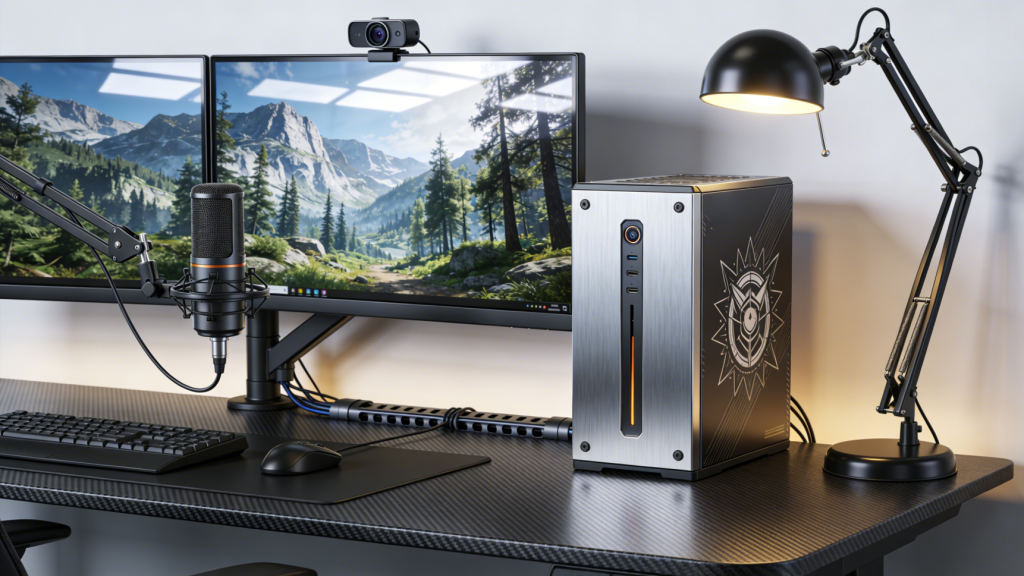




2026 4K Gaming Monitors GPU Balance And Best Settings 4 1 1 1024x576 . Native 4k Vs Upscaled 4k Gaming Explained 10 Critical Differences Native 4k Vs Upscaled 4k Gaming Explained. 12 Best 4K Gaming PC 2026 Expert Reviews Comparisons Featured Image Xiv0tggp . TOP 25 BIGGEST NEW Games Coming In 2026 With Incredible NEXT GEN 4K . NEW Upcoming Amazing REALISTIC GRAPHICS GAMES Of 2026 2027 4K 60FPS
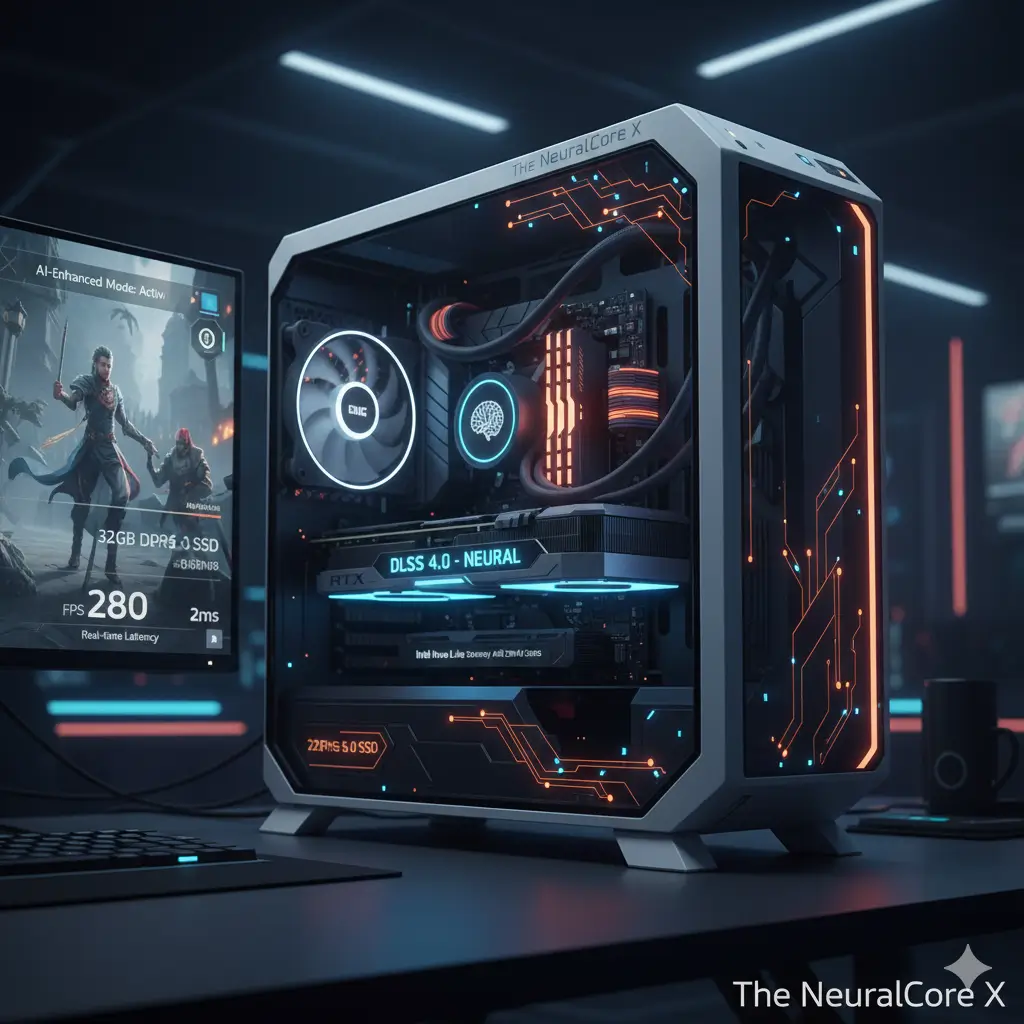

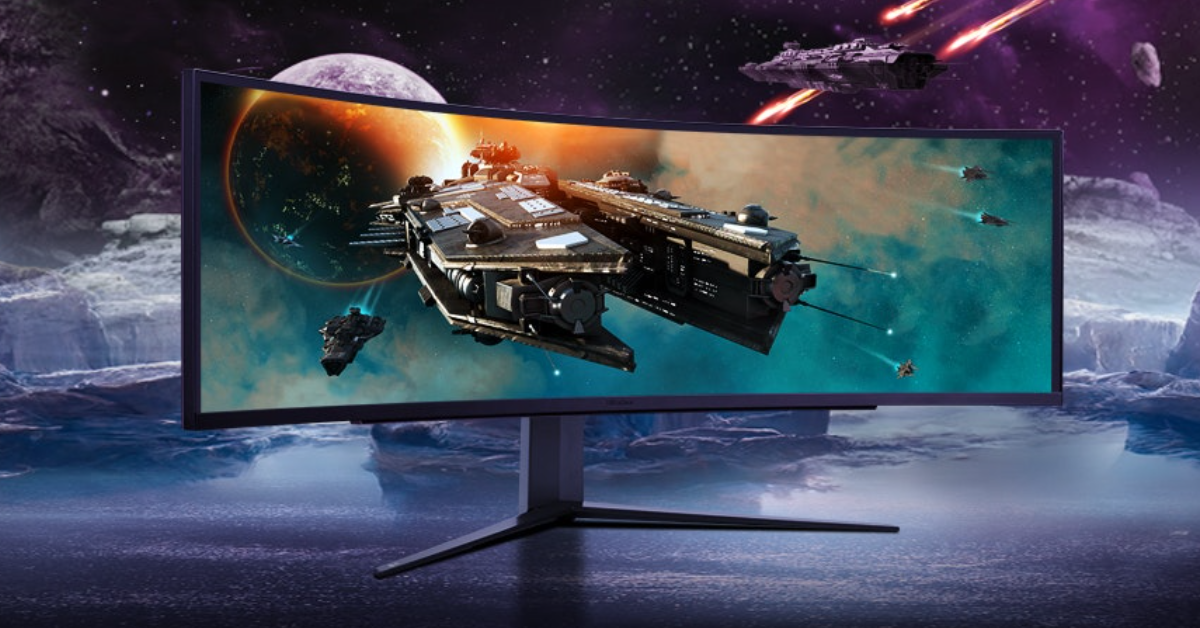
8 Best Gaming PCs For 2026 Ultimate Buyer S Guide Best Gaming Pc 2026 The Neuralcore X.webp. Can The PS4 Pro Deliver Native 4K Gaming YouTube . Top 7 Gaming Monitors In 4k For 2026 The Ultimate Review Best 4k Gaming Monitor . The Ultimate 2000 Gaming PC Build For 2026 The 4K 120Hz Standard Image 48 . Top Gaming Trends Of 2026 TREND
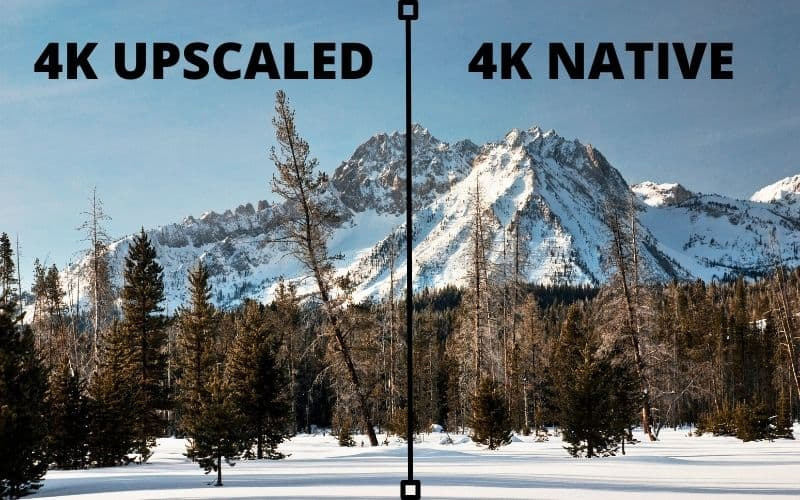

Native 4K Vs Upscaled 4K Key Differences Which To Choose Native 4k Vs Upscaled 4k . The Future Of Ultra HD Gaming In SA Whats Next For 4k Gaming In South Africa 2025.webp. Top 7 Gaming Monitors In 4k For 2026 The Ultimate Review Best 4k Gaming Monitor 1 . 8 Best Gaming PCs For 2026 Ultimate Buyer S Guide The Creators Dream Msi X 2026.webp. 28 NEXT GEN REALISTIC GRAPHICS UPCOMING GAMES Of 2026 2027 4K 60FPS


Next Gen Is Here 30 Biggest Games Of 2025 2026 You Can T Miss 4K . 15 Best 4K Monitors For Gaming In 2026 Unmatched Clarity And Curved 4k Gaming Monitor Kekh6 . Ultimate 1440p And 4K Gaming PC Builds For 2026 1024x1024 . Is This The Year For 4K Gaming 4k Gaming Updated Square 1024x1024 . 4K 2026 Games Wallpapers 110 24795


4K 2026 Games Wallpapers 40 21660 . Native 4K Vs Upscaled 4K Key Differences Which To Choose Native 4k And Upscaled 4k . The 2026 Gamer S Guide Everything You Need To Know 7f33b68a Gameguide 2026 . Best 120Hz 4K TV 2026 Screens For New Consoles And PC GamesRadar . Best 4K Monitor 2026 Options For Gamers Creatives PC Guide Screenshot 2026 01 13 154228 1


15 Best 4K Monitors For Gaming In 2026 Top Gaming Monitors 2026 Pmsyx . 15 Best 4K Monitors For Gaming In 2026 Top Monitors For 2026 Bcgbw . 15 Best 4K Monitors For Gaming In 2026 Affordable Launch Monitors 2026 6njcl . 4K 2026 Games Wallpapers 150 25716 . Beyond The Console The Future Of Gaming In 2026
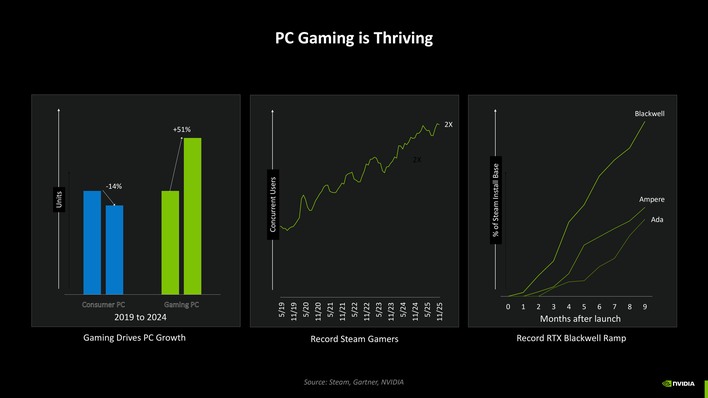


NVIDIA GeForce Now And DLSS Get Glorious Upgrades At CES 2026 HotHardware Small Slide03 Pc Gaming . BEST NEW Upcoming REALISTIC GRAPHICS GAMES Of 2026 4K 60FPS YouTube . 30 NEW REALISTIC ULTRA Graphics Upcoming Games Of 2026 4K 60FPS YouTube . Top 9 MOST ANTICIPATED UPCOMING GAME With INSANE GRAPHICS In 2026 4K . 20 NEW REALISTIC ULTRA Graphics Upcoming Games Of 2026 4K 60FPS YouTube